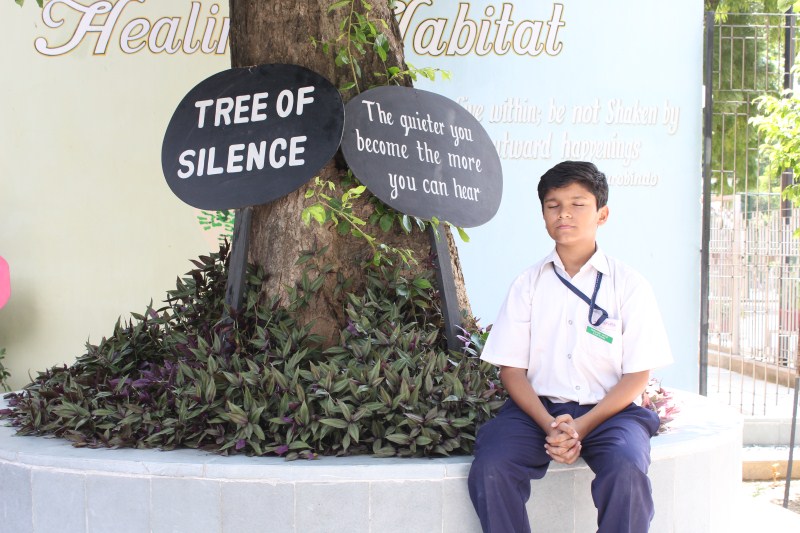


Healing Habitat is one of our most special corners of the school that not only helped our students tremendously but gave Seth M.R. Jaipuria a worldwide recognition. Originally it was designed and created by our middle school students but after the school underwent renovation, a completely new and advanced Healing Habitat was created, keeping intact the original ideas of the students behind this concept.
This corner in the school is an outlet to express one’s emotions. In the Healing Habitat students can be their authentic selves without any peer pressure. It addresses the emotional needs of a student and gives him/her the opportunity to face their feelings and let go the burden. It is a symbol of hope, optimism and dedication to achieve the unthinkable.
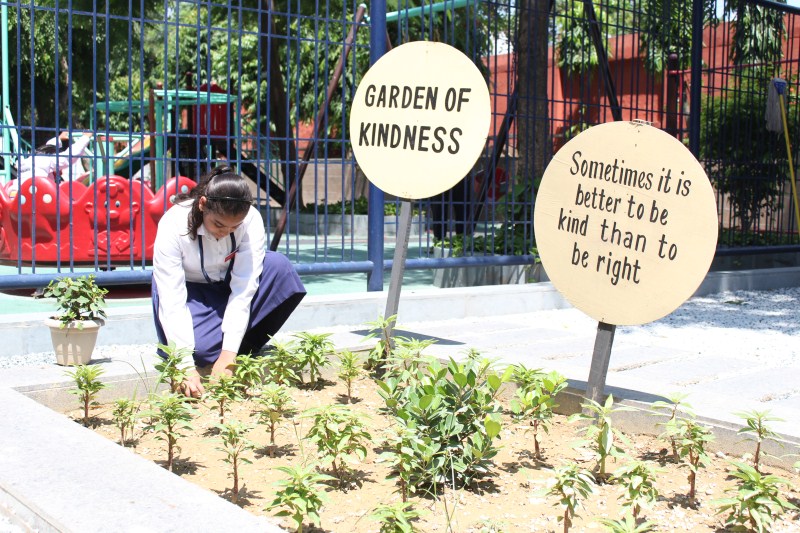
The Garden of Kindness
“If you can be anything, be kind”. Every time any child or any adult goes out of the way to help the other person in need, then the child/adult gets to plant a sapling in the garden of kindness.
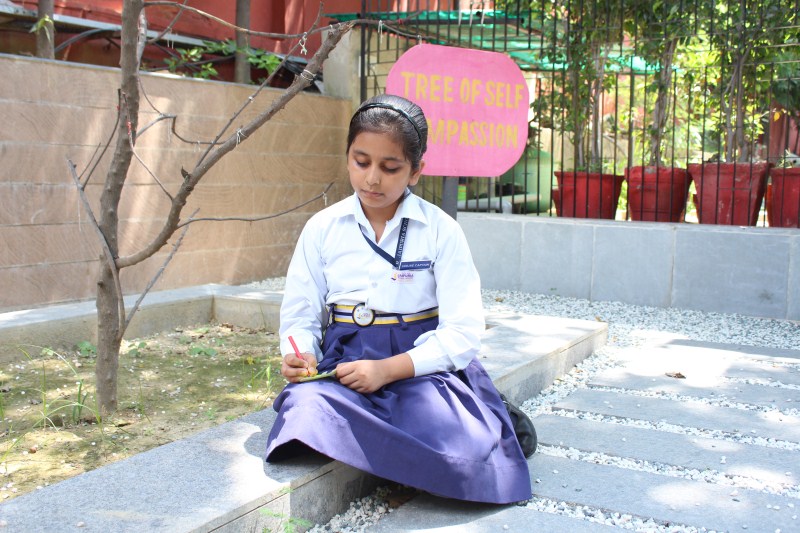
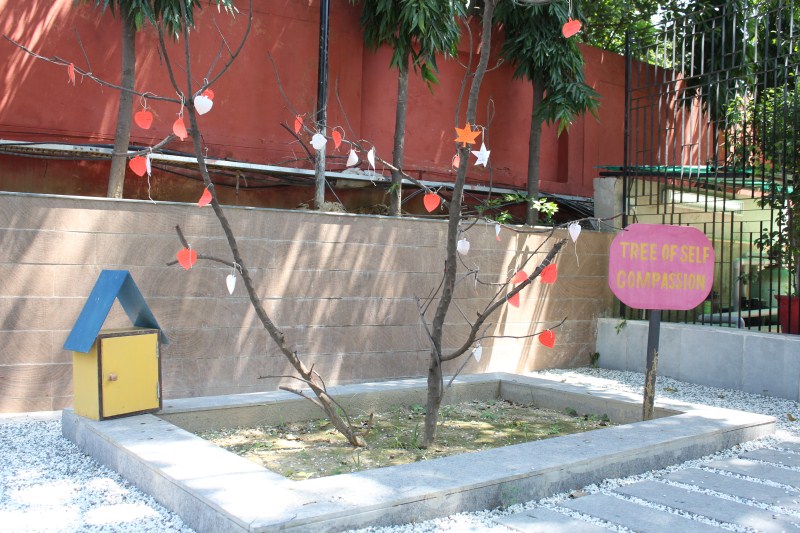
The Tree of Self-Forgiveness
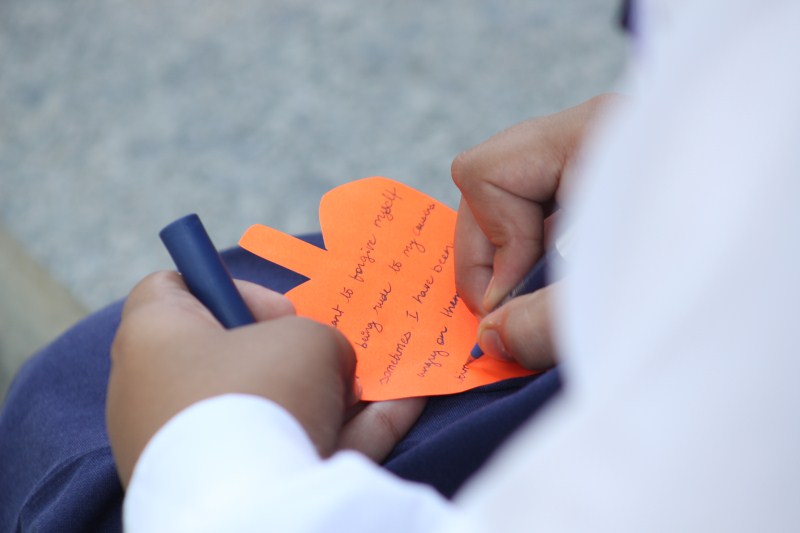
We believe that forgiving yourself is the first step to accepting yourself. The tree of self-forgiveness asks you to write what you forgive yourself for. This space of acknowledging imperfections boosts the person’s self-confidence
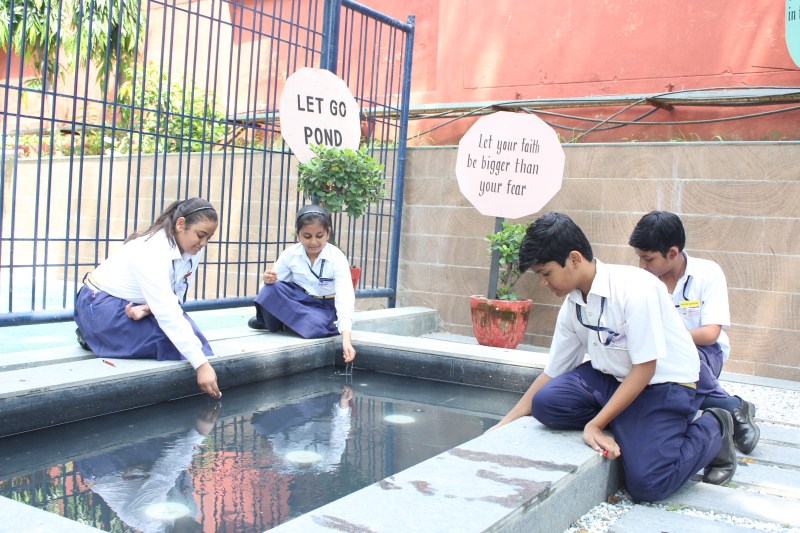
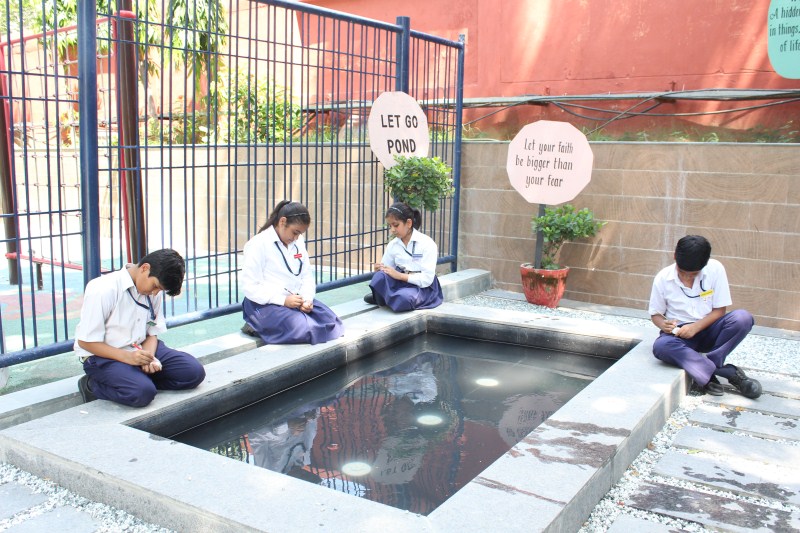
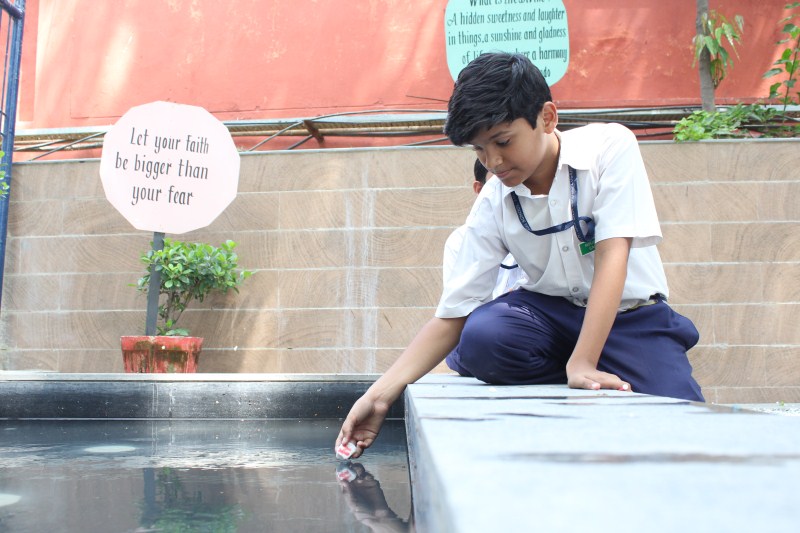
The Let It Go Pond
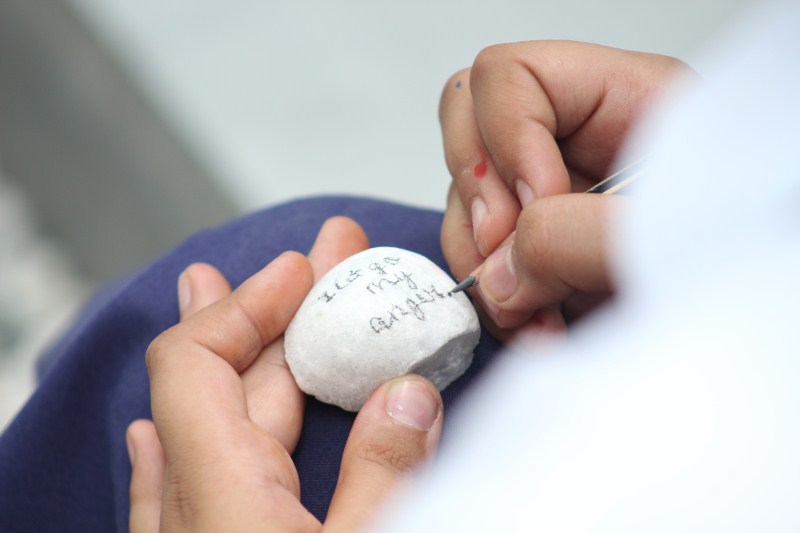
Sometimes as adults we teach children that certain emotions are ‘bad’ and they should be repressed. But the truth is each emotion has in it itself the power to change oneself and thus we ask children to identify one thing they would like to let go off. They can then pick up a marble, write on it and drop it in the pond and see it disappear. This symbolic way helps children realize that the power to improve oneself lies within.
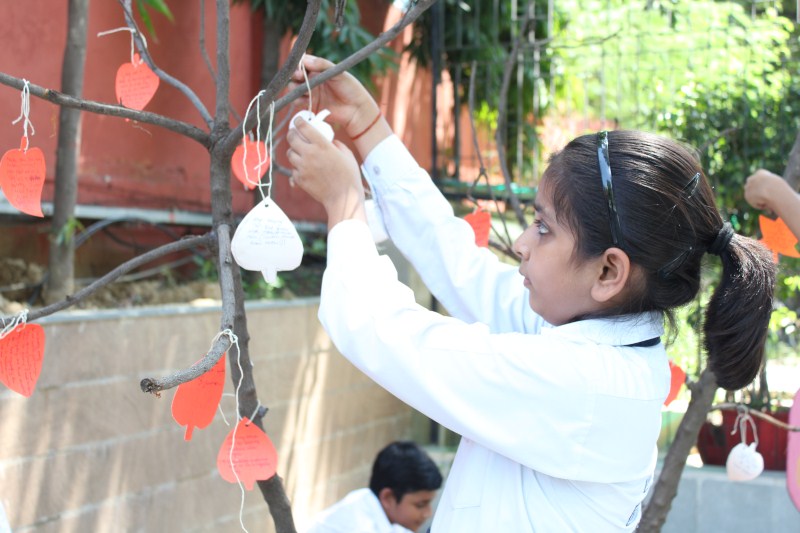
The Gratitude Tree
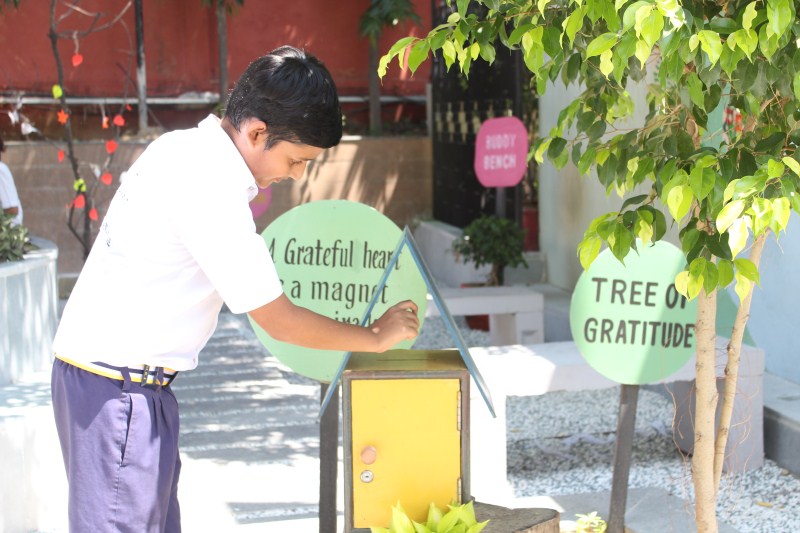
The tree of gratitude is a gentle reminder to all of us that no matter how busy our lives may be there is always something we can be thankful for. The students and teachers at the end of the day write what they were most grateful for and drop it in the gratitude bank.
The Tree of Silence
The tree of silence provides shade for introspection and meditation. It is especially useful during conflict resolution where we encourage children to reflect upon their actions by observing a moment of silence.