

Discovering the Psychic Being: Day 1 of SMRJ Students’ Spiritual Retreat 2026
May 21, 2026
Awakening the Heroic Vital: Day 3 of SMRJ Students’ Spiritual Retreat 2026
May 22, 2026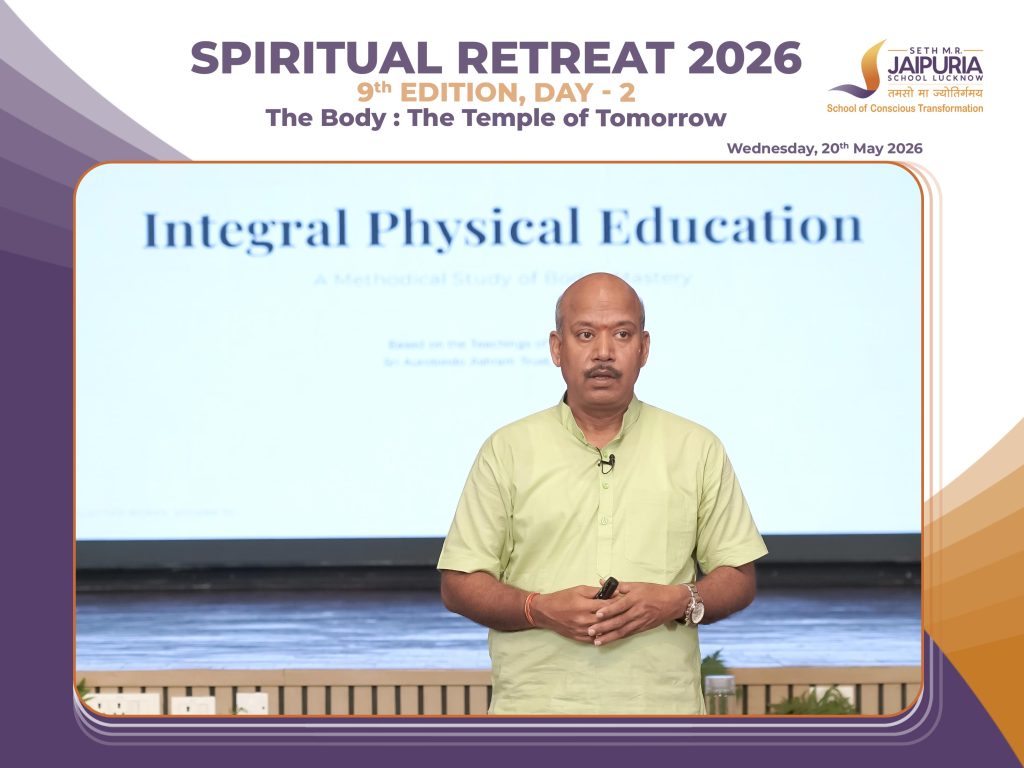
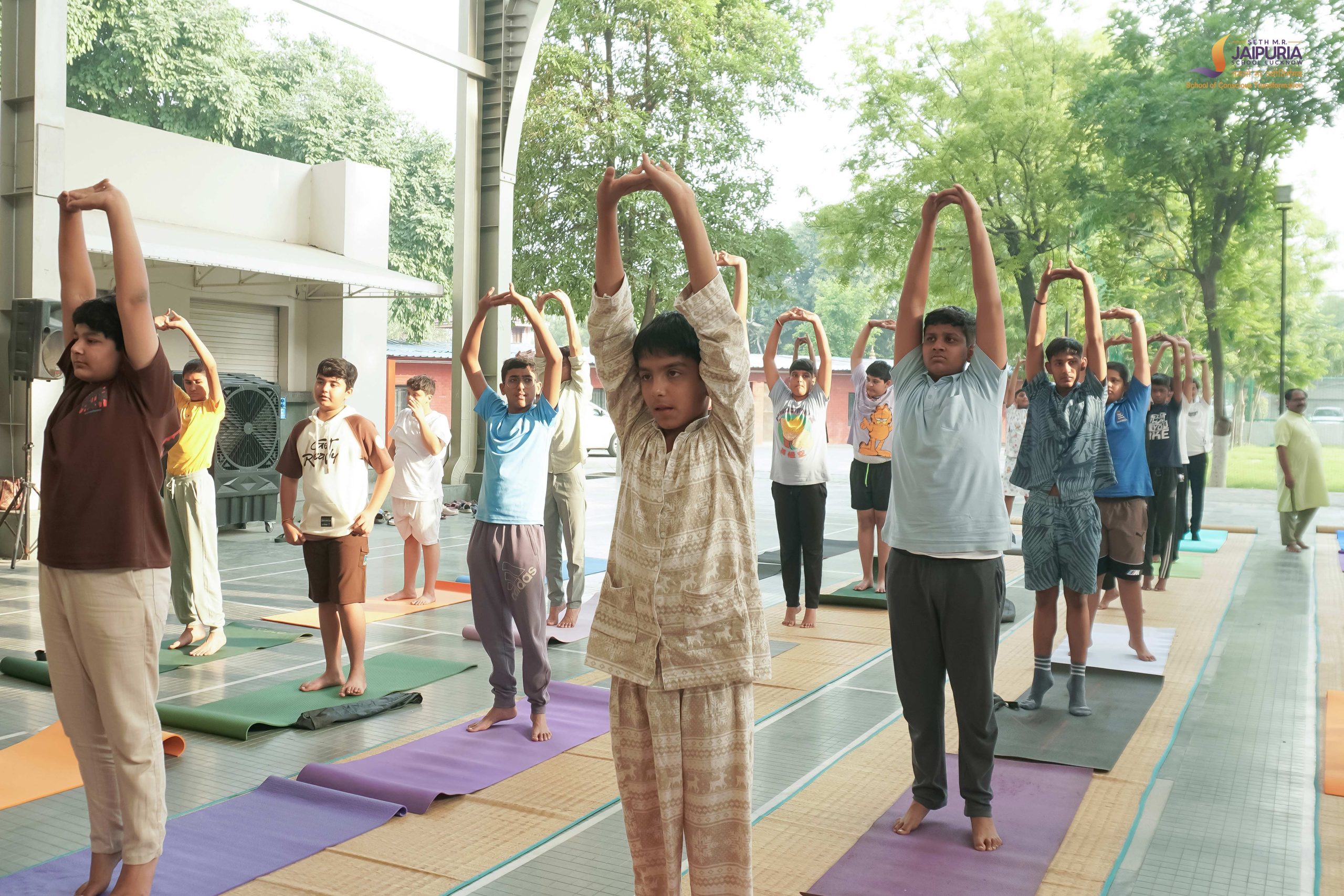
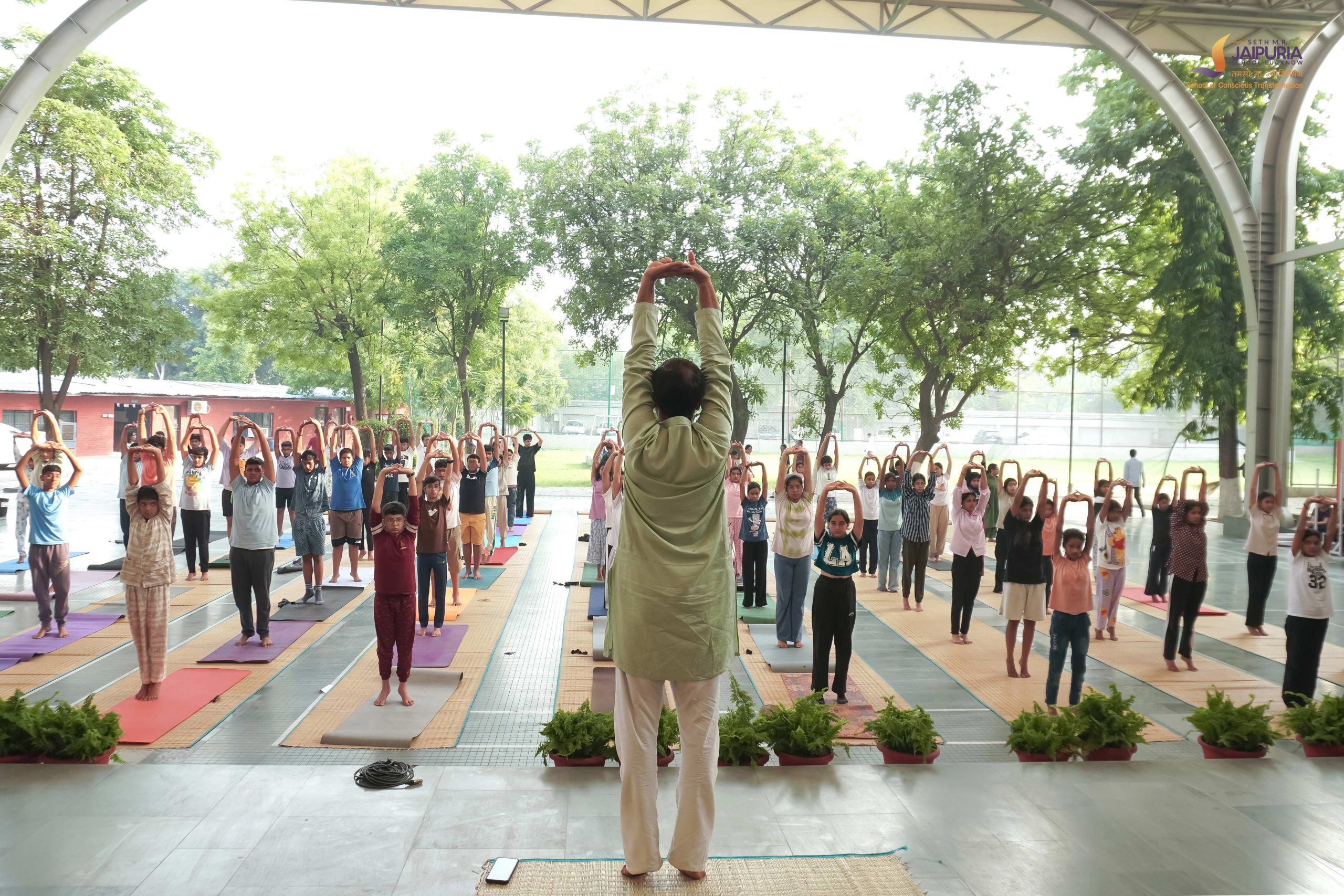
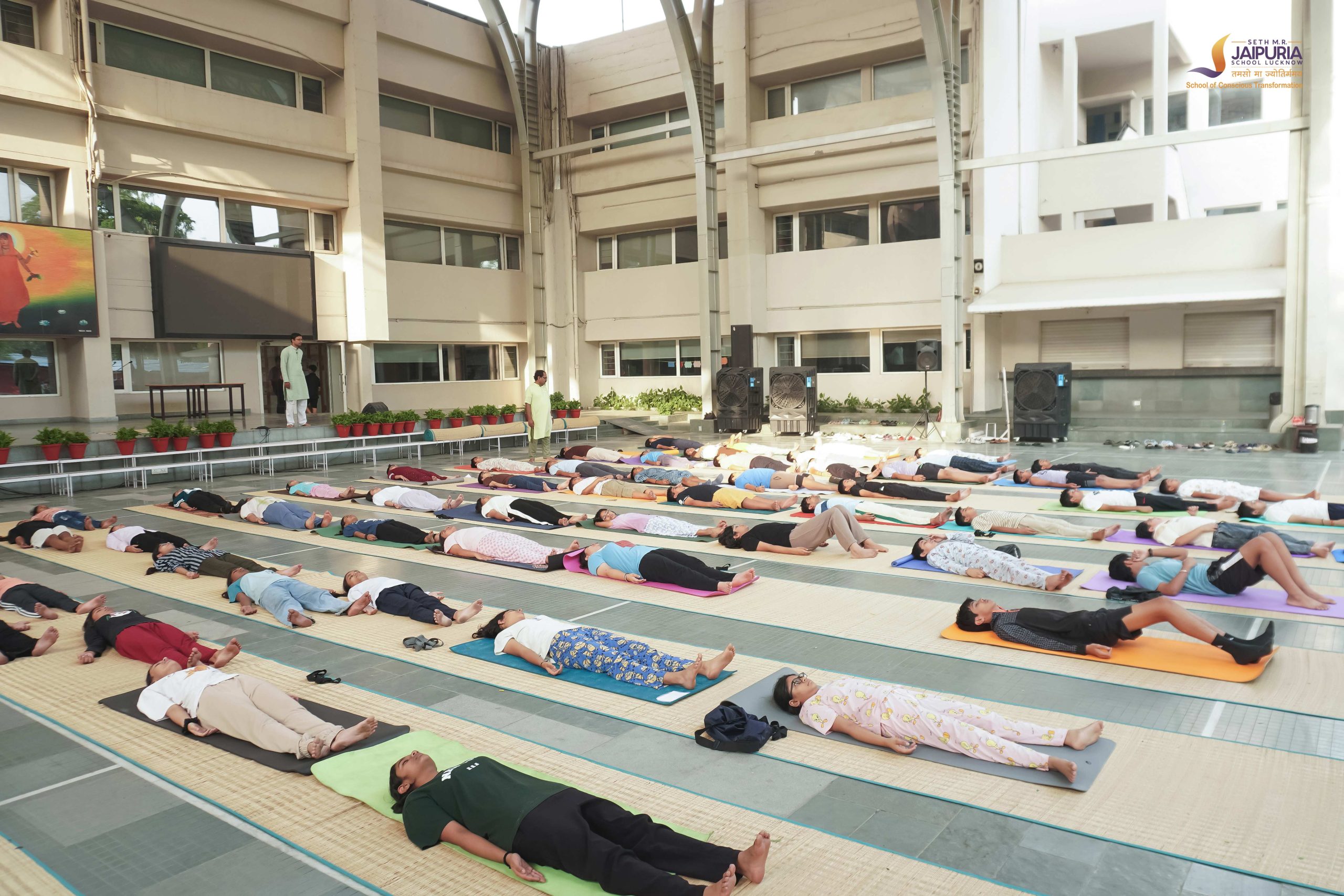
The second day of the Antar-Jyoti Spiritual Retreat, themed “The Body—The Temple of Tomorrow,” began before the sun was fully up. Echoing with the sacred sound of the conch, the students engaged in a deeply grounding session of Hatha Yoga. Guided by the school’s yoga teachers, they moved carefully through their asanas, consciously centering their physical energy before settling into a silent, meditative breakfast.
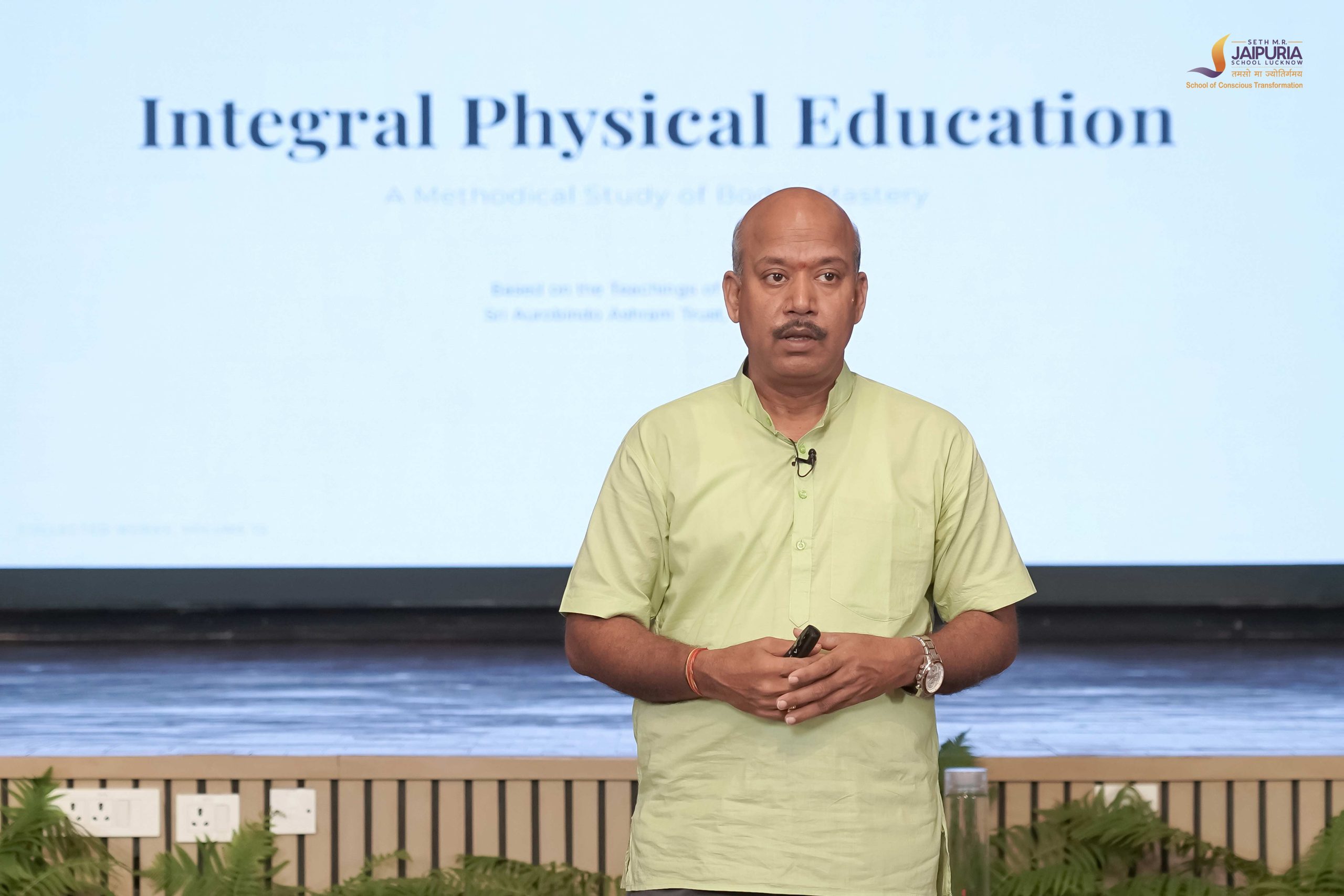
Moving into the auditorium for the morning’s first session, The Vision Focus, Prof. Sampadananda Mishra grounded the day’s entire philosophy in our physical existence, the Annamaya Satta. Reminding the students that spiritual growth cannot happen in a vacuum, Prof. Mishra noted that the physical vessel must be primed first.
Moving forward he added, “Without the body, where will the mind, vital, and soul function? It is the greatest instrument through which every aspect of our consciousness works. That is why our tradition states that the body is the primary instrument for fulfilling our duties.”
Delving into why the body often feels so heavy and resistant to discipline, Prof. Sampadananda Mishra traced human origins back to unconscious matter. Touching upon the concept of Tamas, Prof. Mishra explained our natural default state and why it demands rigid, conscious intervention.
“The first creation was unconscious matter, operated by inertia. Because the body is inert, it is governed by this lethargy. Yet, every part of our being carries a hidden perfection at its core. The purpose of physical education is to manifest that central perfection.”
As the morning progressed into the next session, The Mastery, the discourse shifted toward the “Science of Living,” emphasizing method, order, and discipline. Students openly debated their own physical flaws, bringing up struggles with laziness and a lack of bodily control. Acknowledging their points, Prof. Mishra reframed the ultimate goal of mastering the body, explaining that perfection is not a final destination.
“Achieving perfection has no end. It is like arriving at a peak, only to see a higher peak waiting to be scaled. Even though the body has a habitual rhythm like animals, it needs education to transform those habits into conscious actions.”
Following an intense morning of introspection, the cohort paused for a refreshing fruit break. Rejuvenated, they returned to the auditorium for The Instrument, a session focused on the architecture of asanas and the perfection of the body’s beauty, harmony, and strength. Highlighting what enlightened mastery truly looks like in practice, Prof. Sampadananda Mishra shared a vivid historical anecdote about spiritual endurance.
“When you have mastery over your physical being, you have the capability to regulate it completely. Ramakrishna Paramhansa once received delicious food but allowed only Swami Vivekananda to eat it. Ramakrishna knew only Naren had the spiritual strength to digest it.”
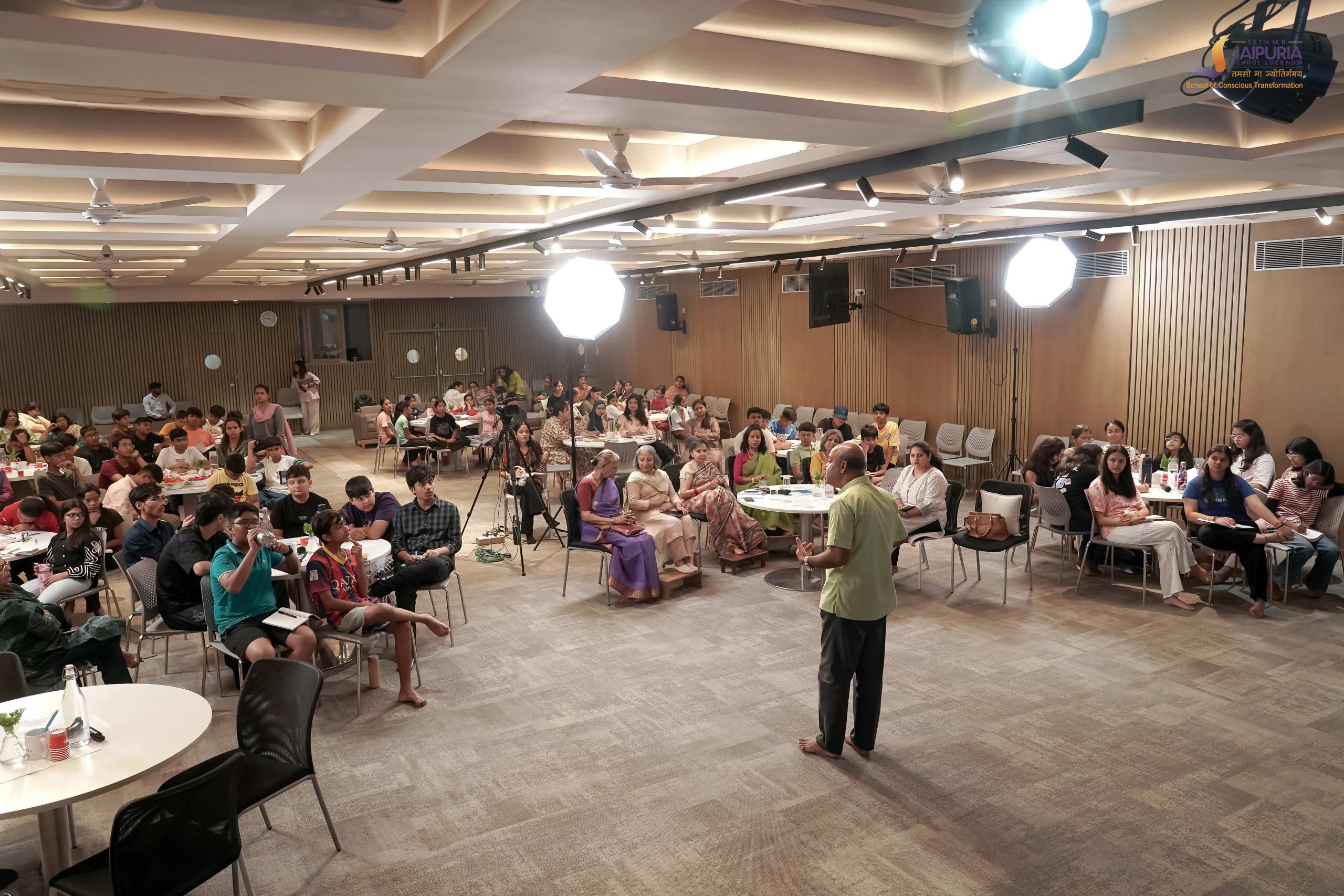
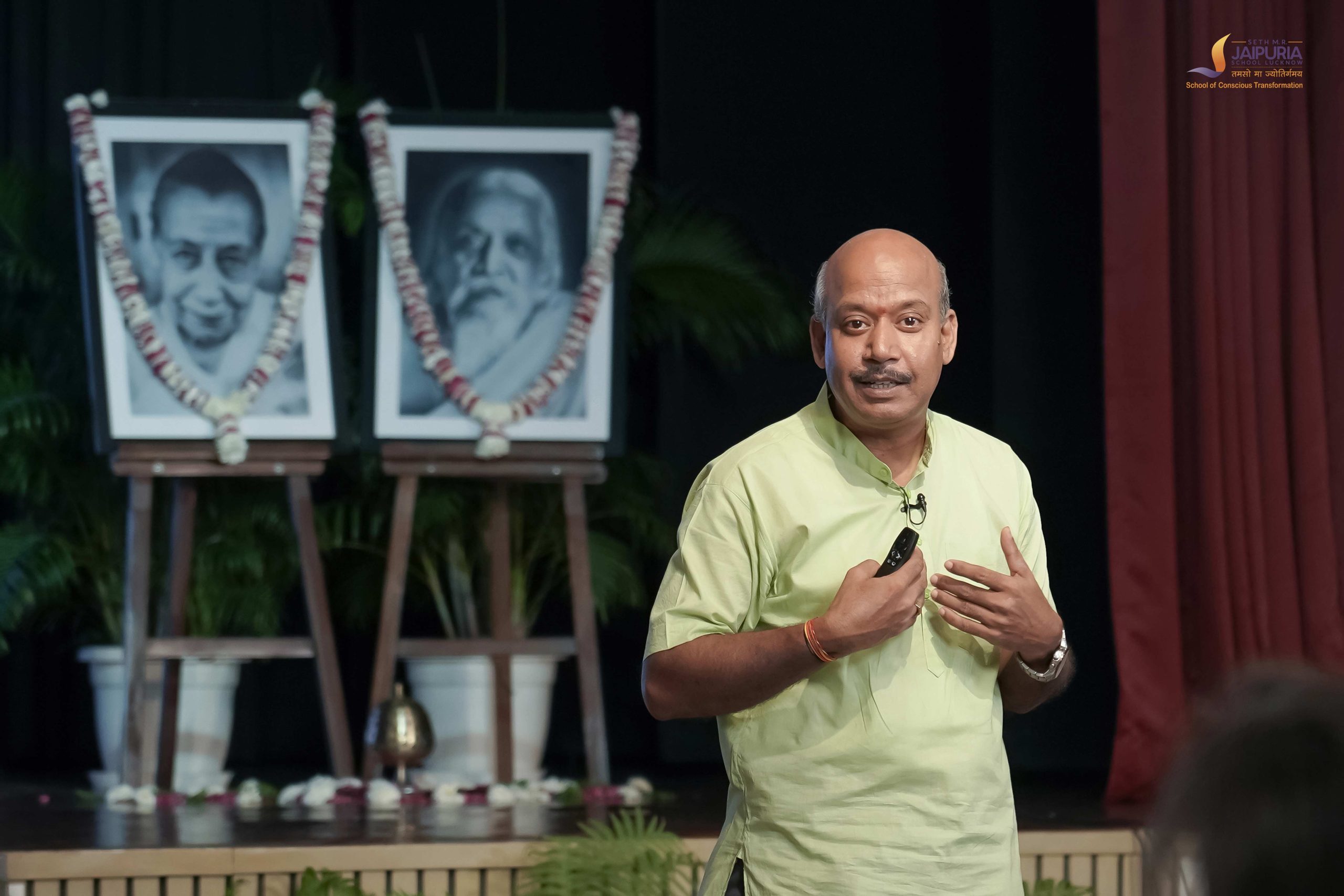
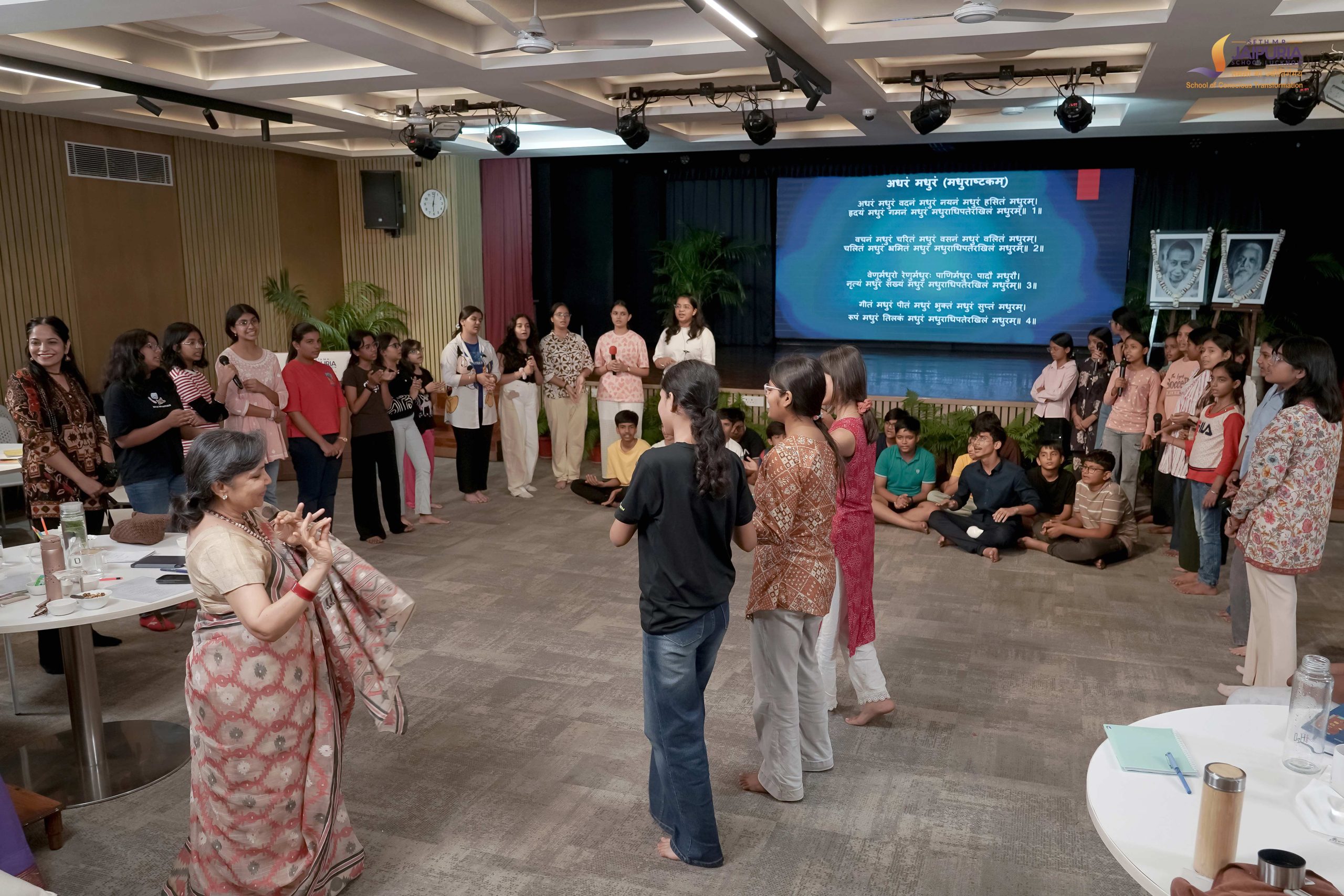
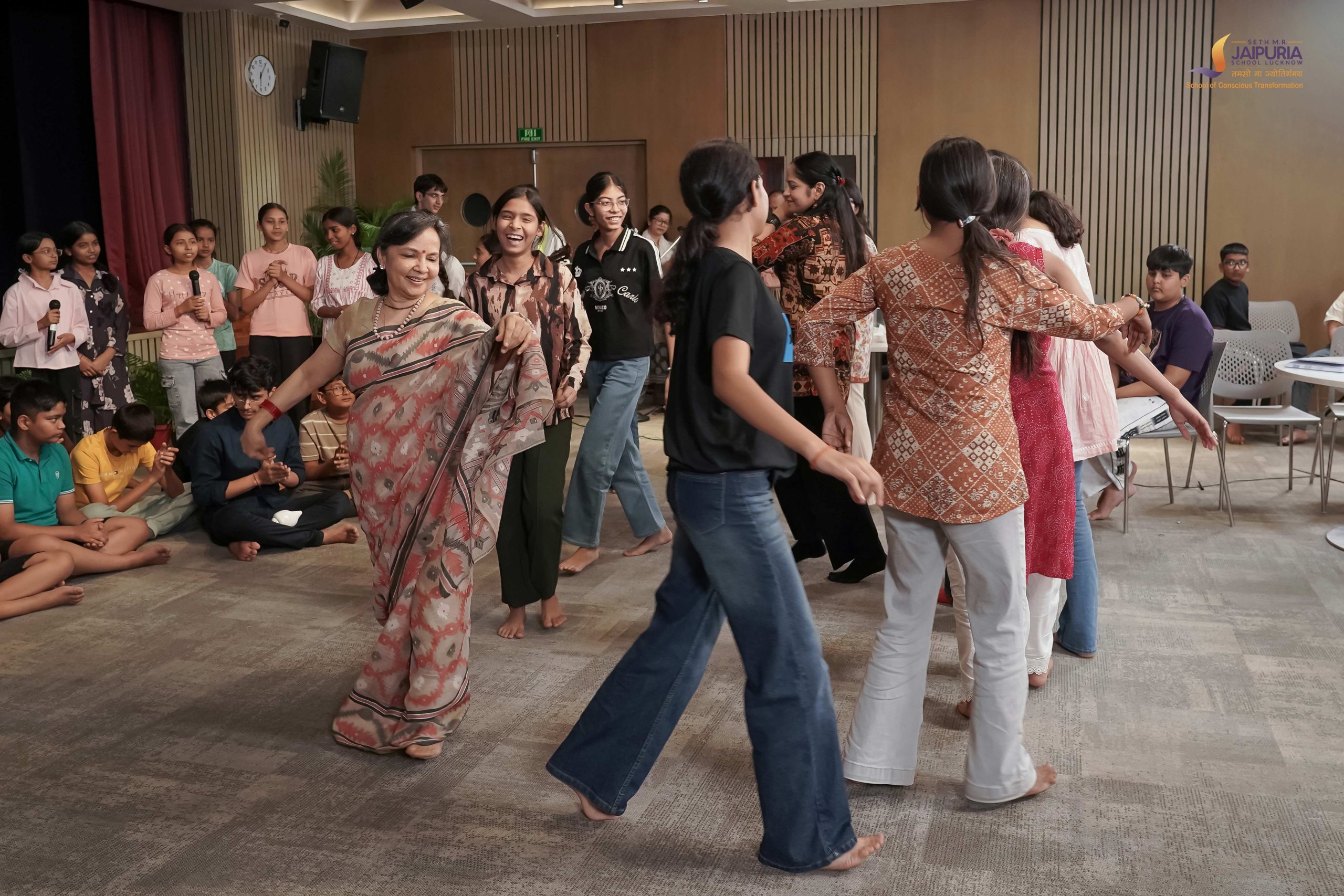
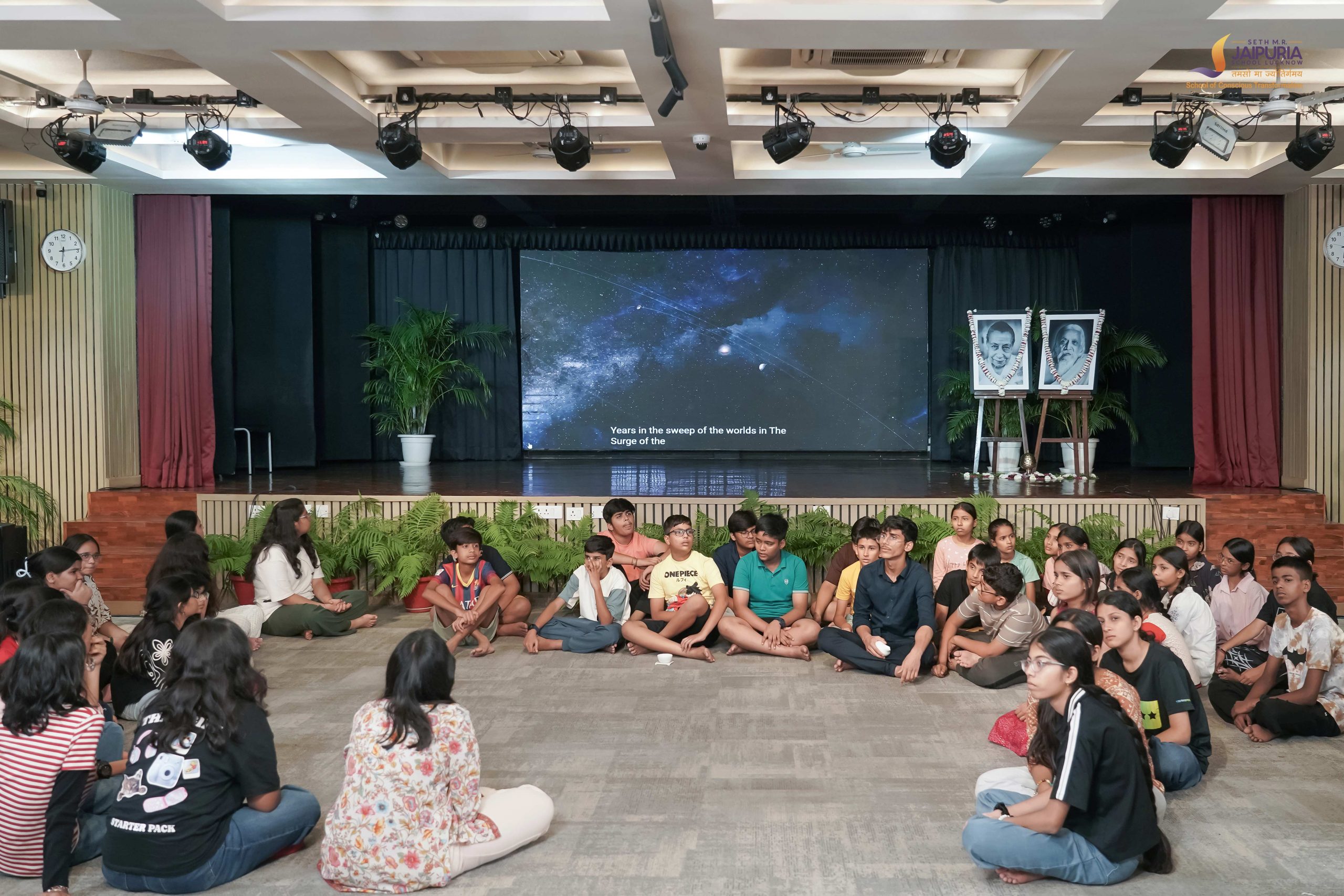
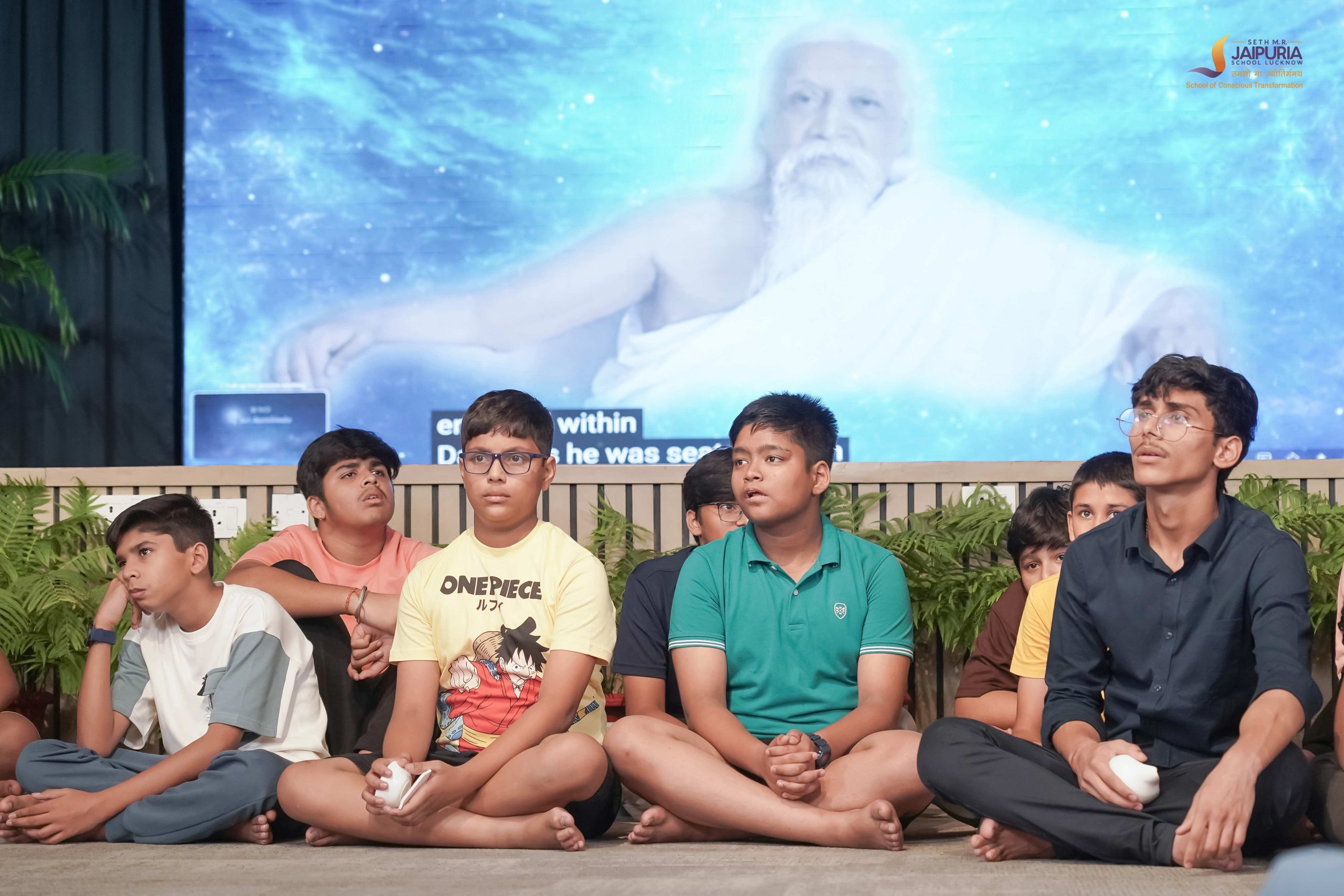
Returning to the auditorium for The Recovery session, navigating The Sleep Script, the conversation shifted to lifestyle habits and the vital discipline of eating and resting correctly. Building on the earlier practice of mindful consumption, Prof. Sampadananda Mishra introduced the traditional concepts of Mitahara (measured eating) and Hitahara (beneficial eating).
He challenged the cohort to rethink their plates by categorizing meals not by calories, but by their energetic footprint, warning against Tamasic foods that induce deep lethargy and Rajasic foods that trigger restless, artificial bursts of energy.
He explained, “The attitude behind the food matters most. The quality of a meal depends heavily on the consciousness of the person cooking it. Even simple food cooked with love tastes delicious because that emotion enters the meal.”
Prof. Mishra firmly warned against the cultural habit of emotional eating, specifically how adults often inadvertently teach children to view highly processed junk food as a reward rather than a source of harm. Emphasizing that “simplicity is divinity,” he urged the students to strip away excessive salts and spices that merely gratify the senses.
A quiet round of Meditative Snacks served as a gentle transition into the final intensive session of the afternoon, Conscious Physical Transformation, exploring the spirit of The Conscious Captain.
Later during an activity, students put their physical discipline to the test through a dynamic spatial awareness exercise. They moved rapidly through the auditorium, challenged to navigate the crowded space without touching a single object or person.
He shared, “The attitude behind the food matters most. The quality of a meal depends heavily on the consciousness of the person cooking it. Even simple food cooked with love tastes delicious because that emotion enters the meal.”
“Moving around the auditorium without touching anything really helped me to open up my mind, I felt more aware and conscious of my movement and surrounding.” shared Viraj of class 6.
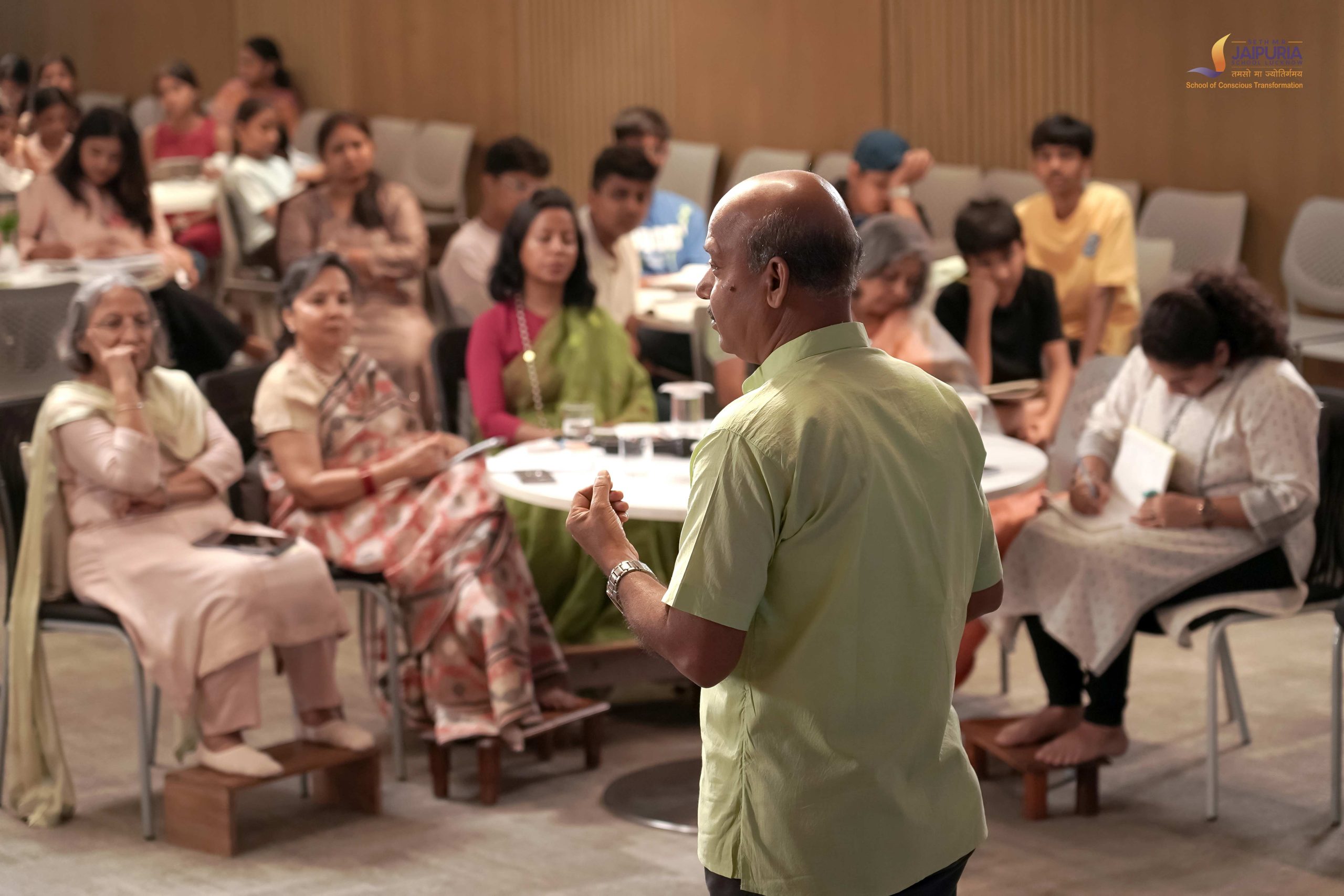
As evening approached, the intellectual exploration of the day culminated in a unique Grand Finale—the Annamaya Challenge Quiz. However, rather than a standard test, Prof. Mishra transformed the cohort into a highly collaborative reflection. He instructed the students at each table to form a unified team and list down all their collective learnings from the day.
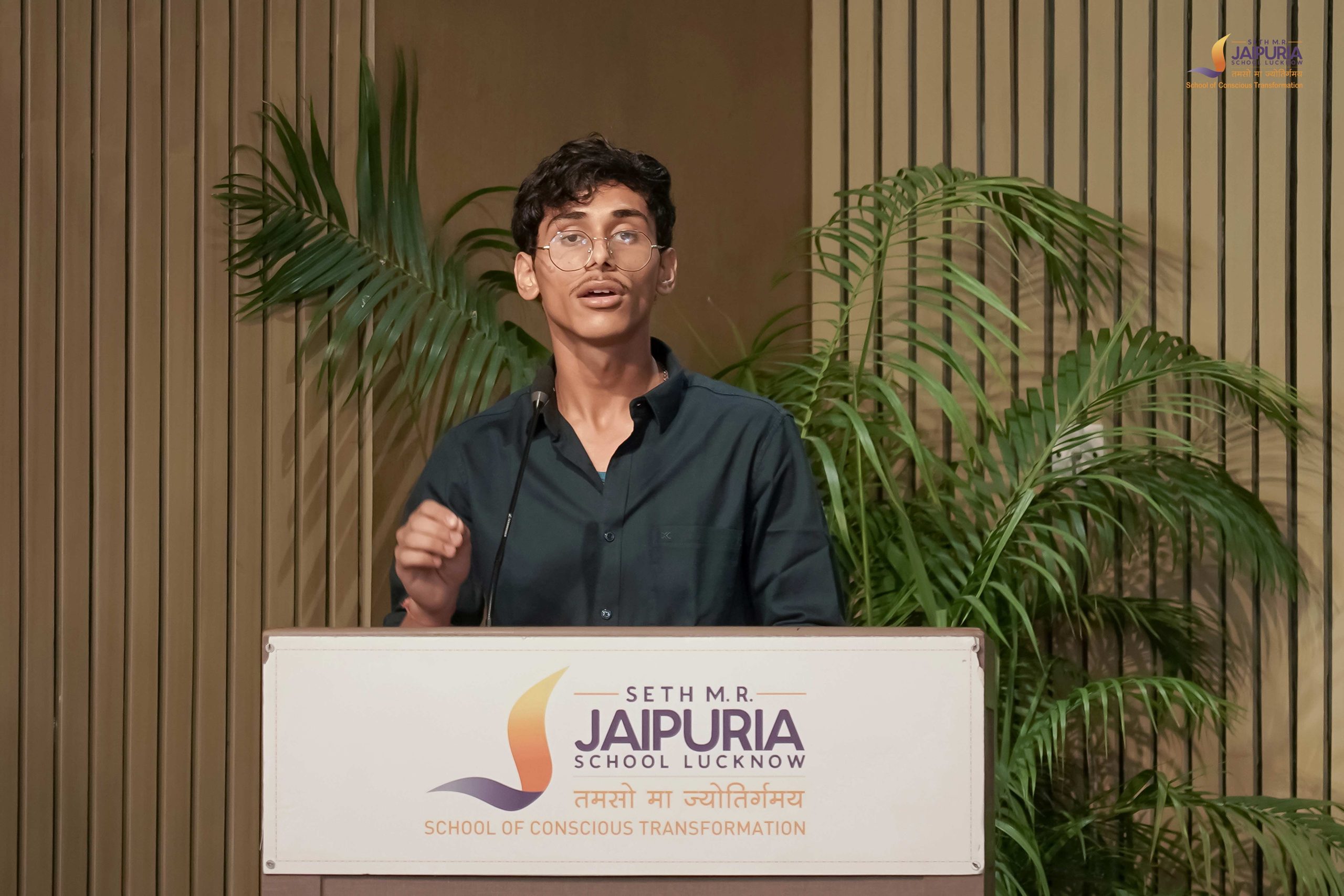
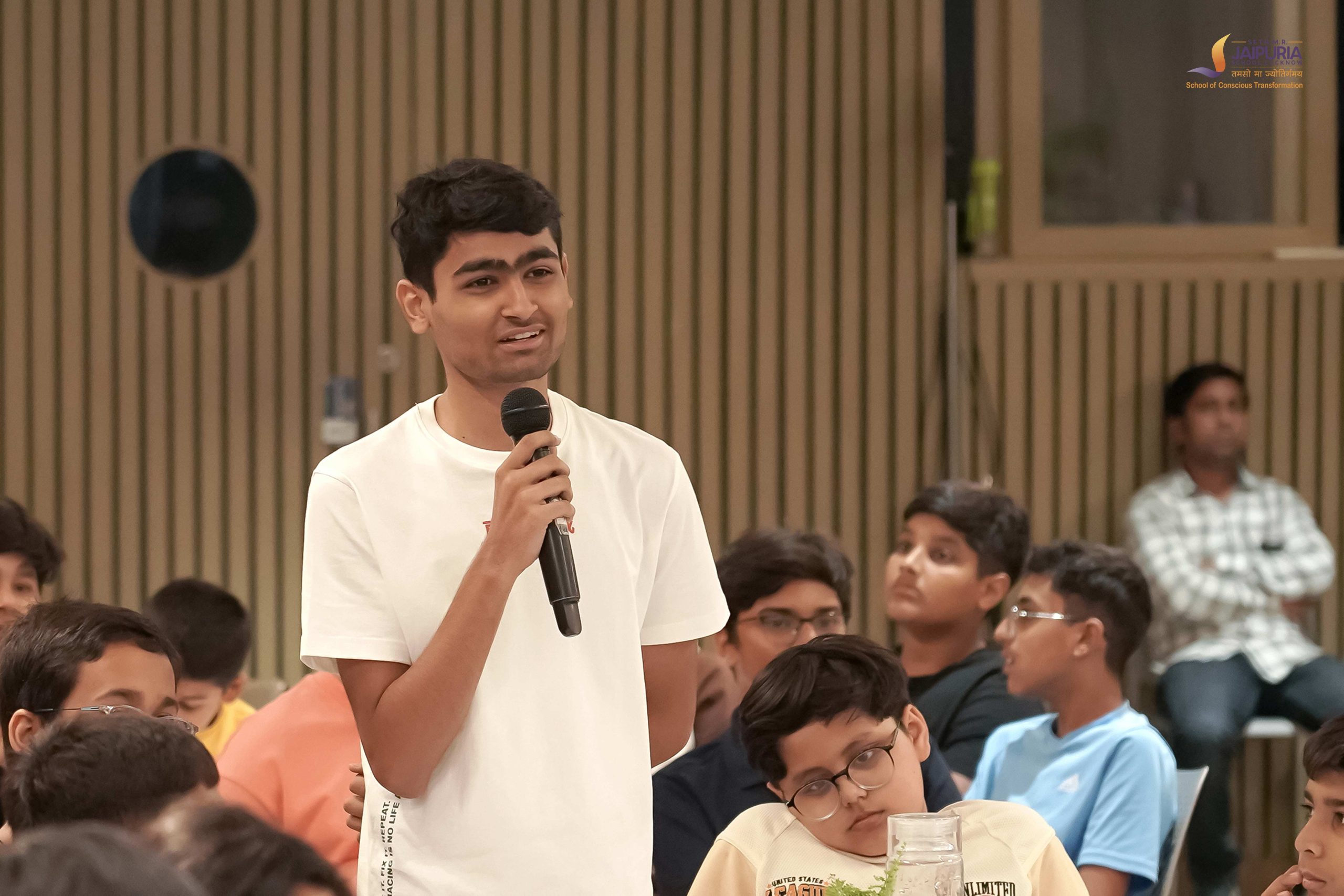
One by one, a representative from each table took the microphone to present their team’s insights to the room.
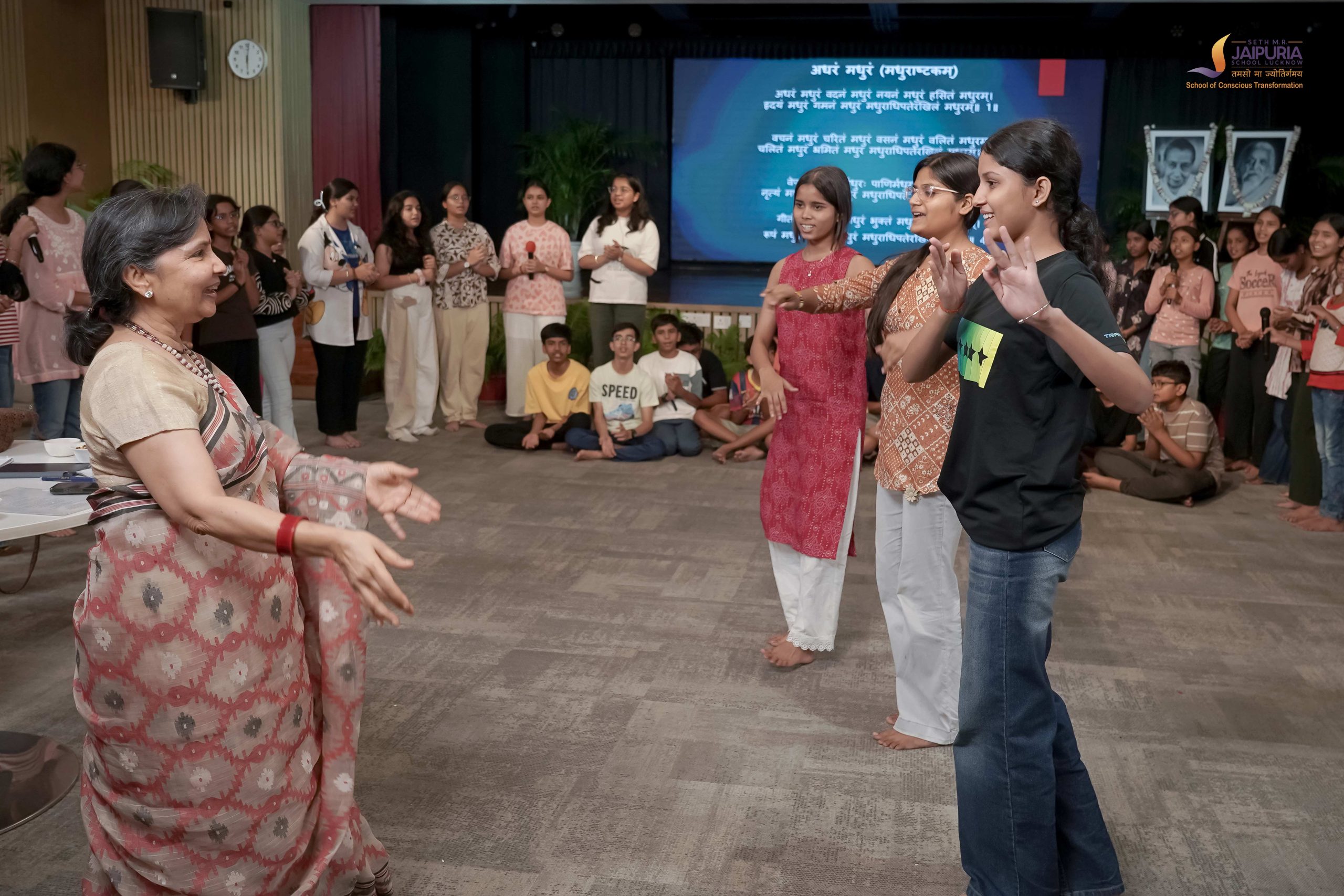
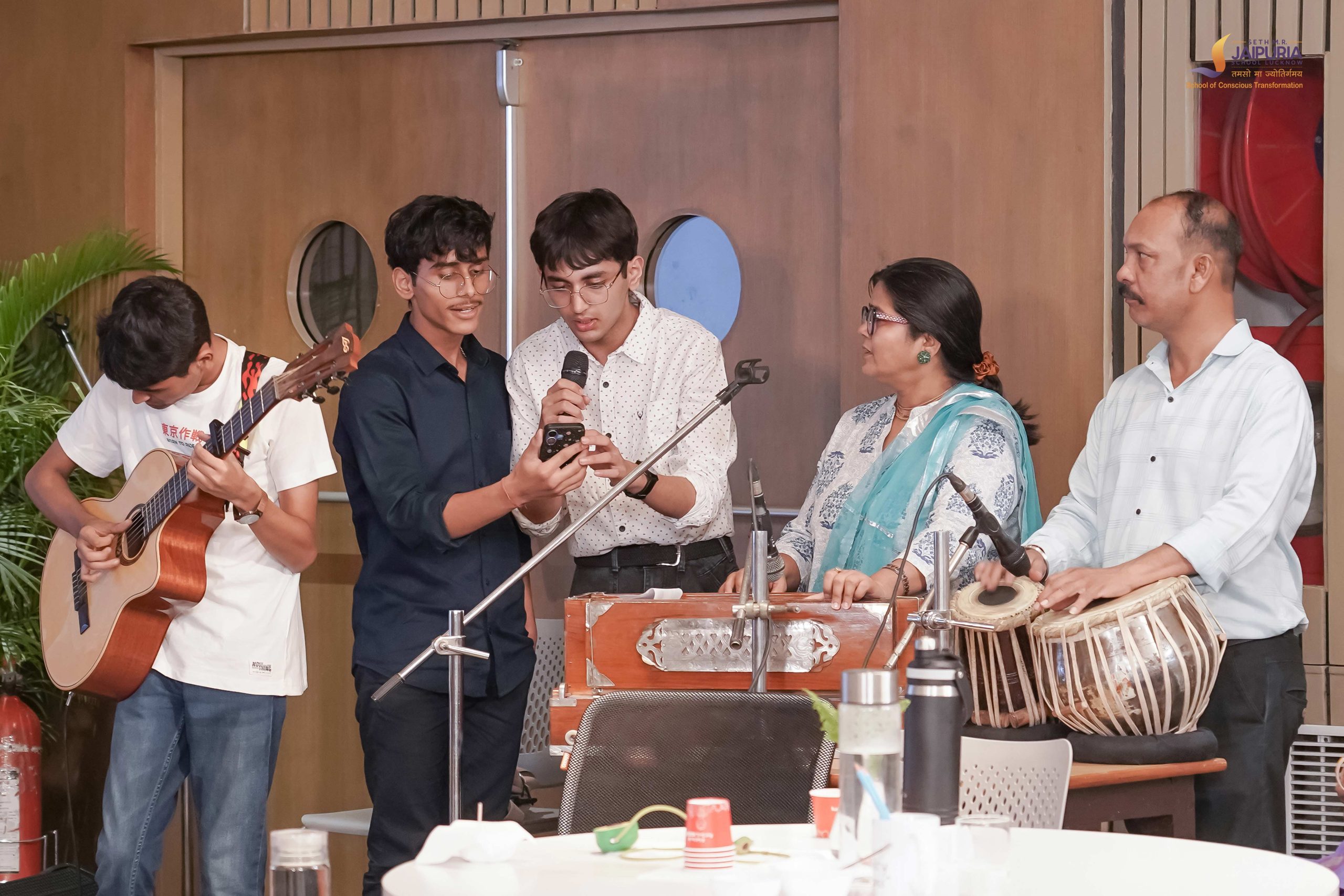
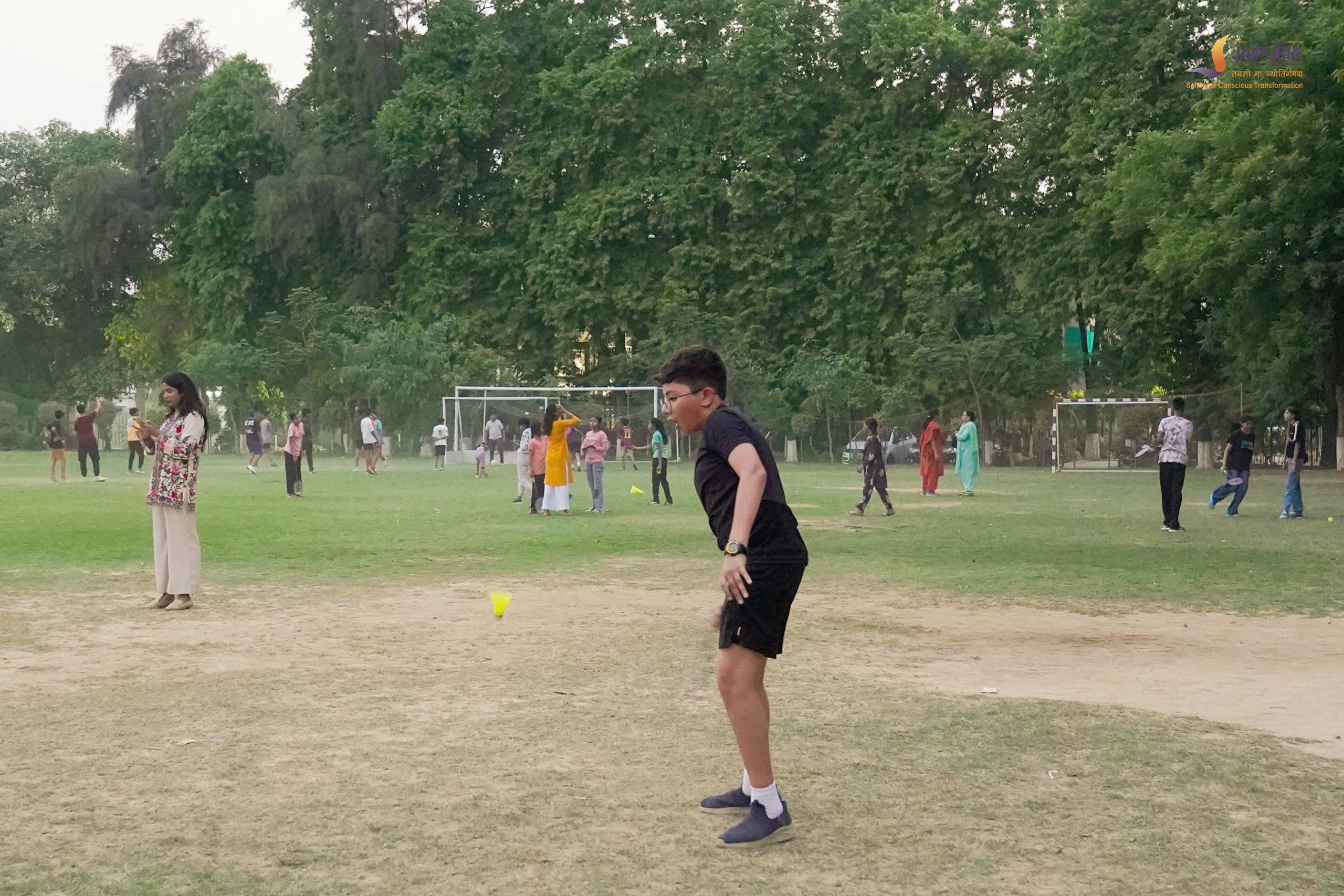
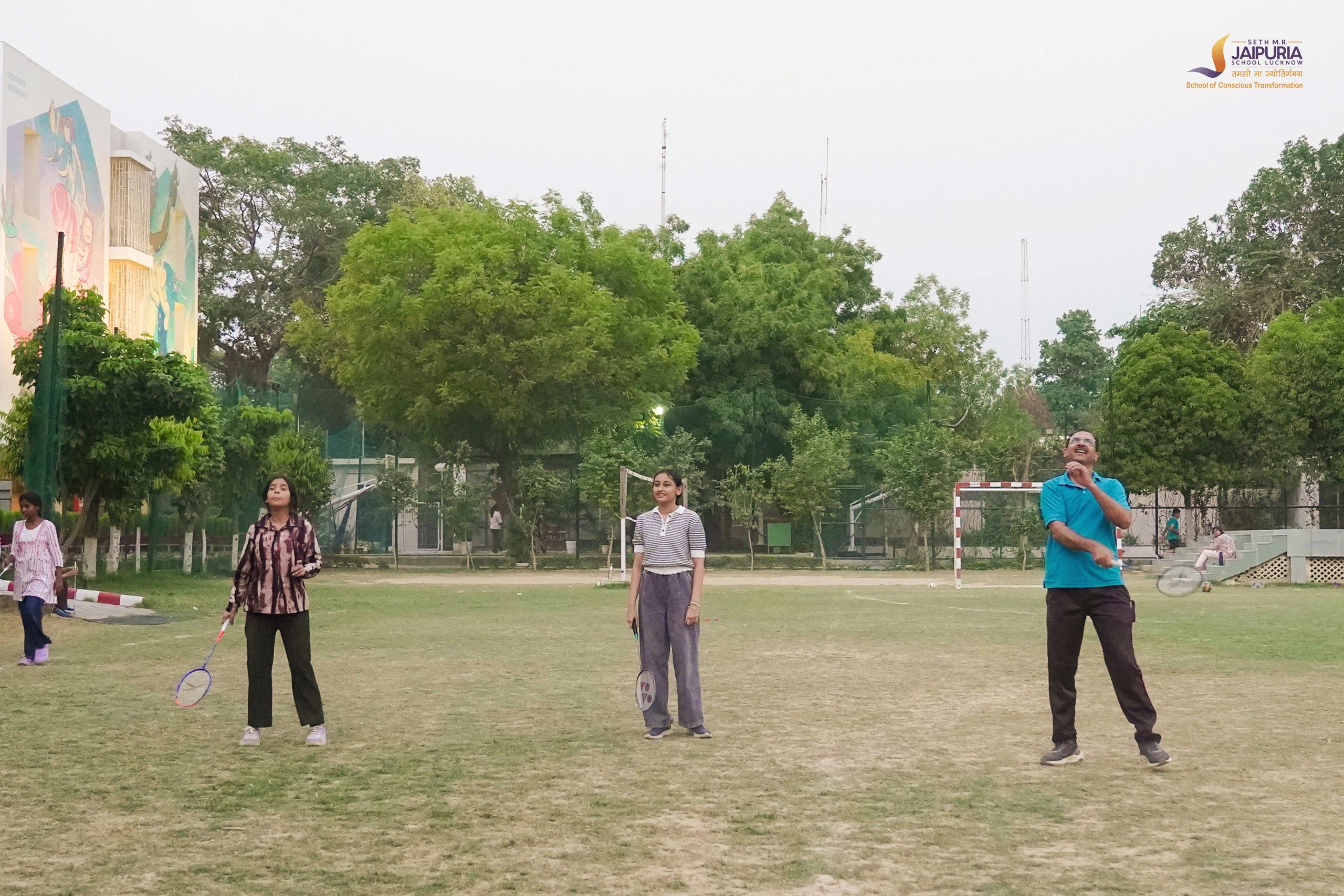
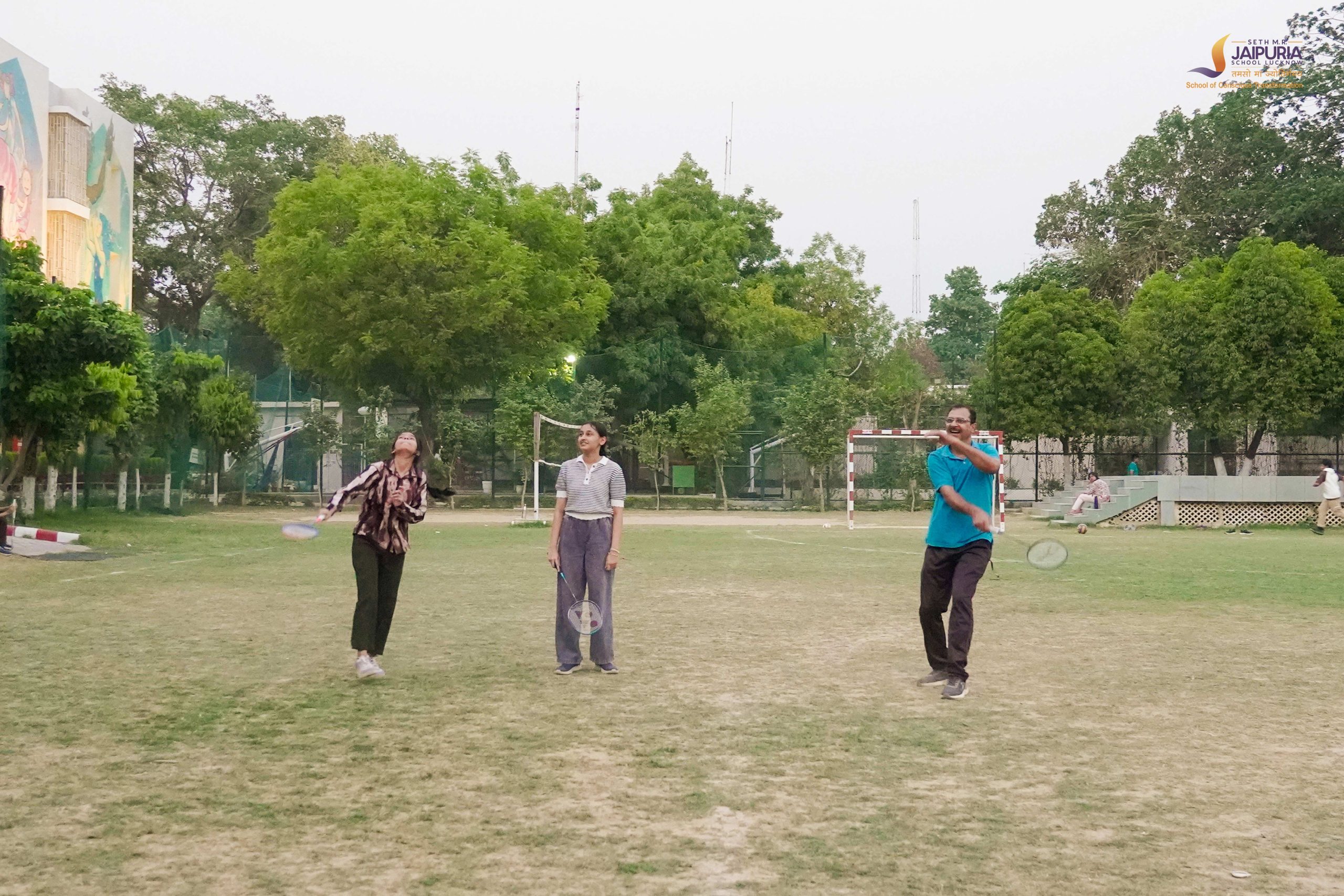
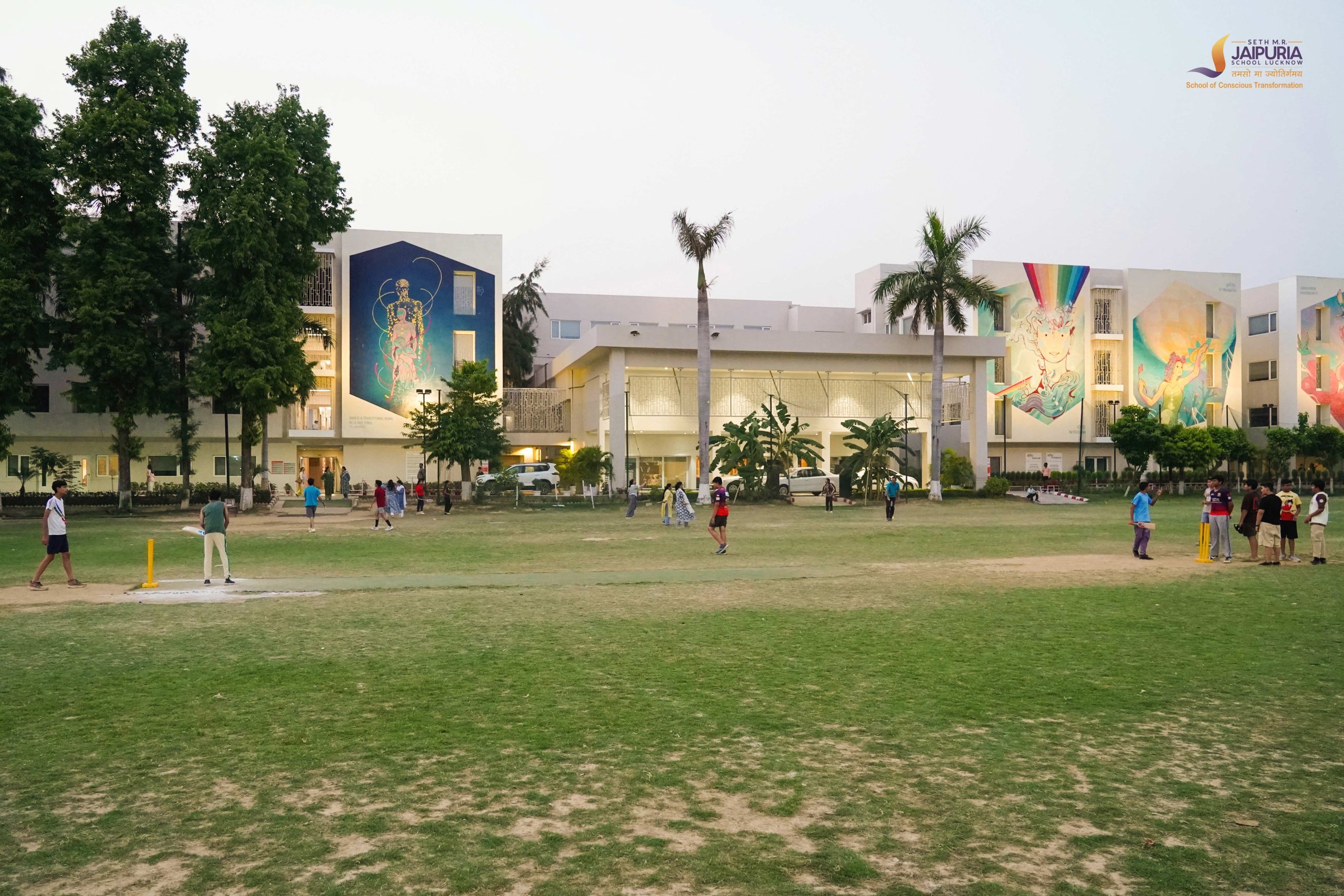
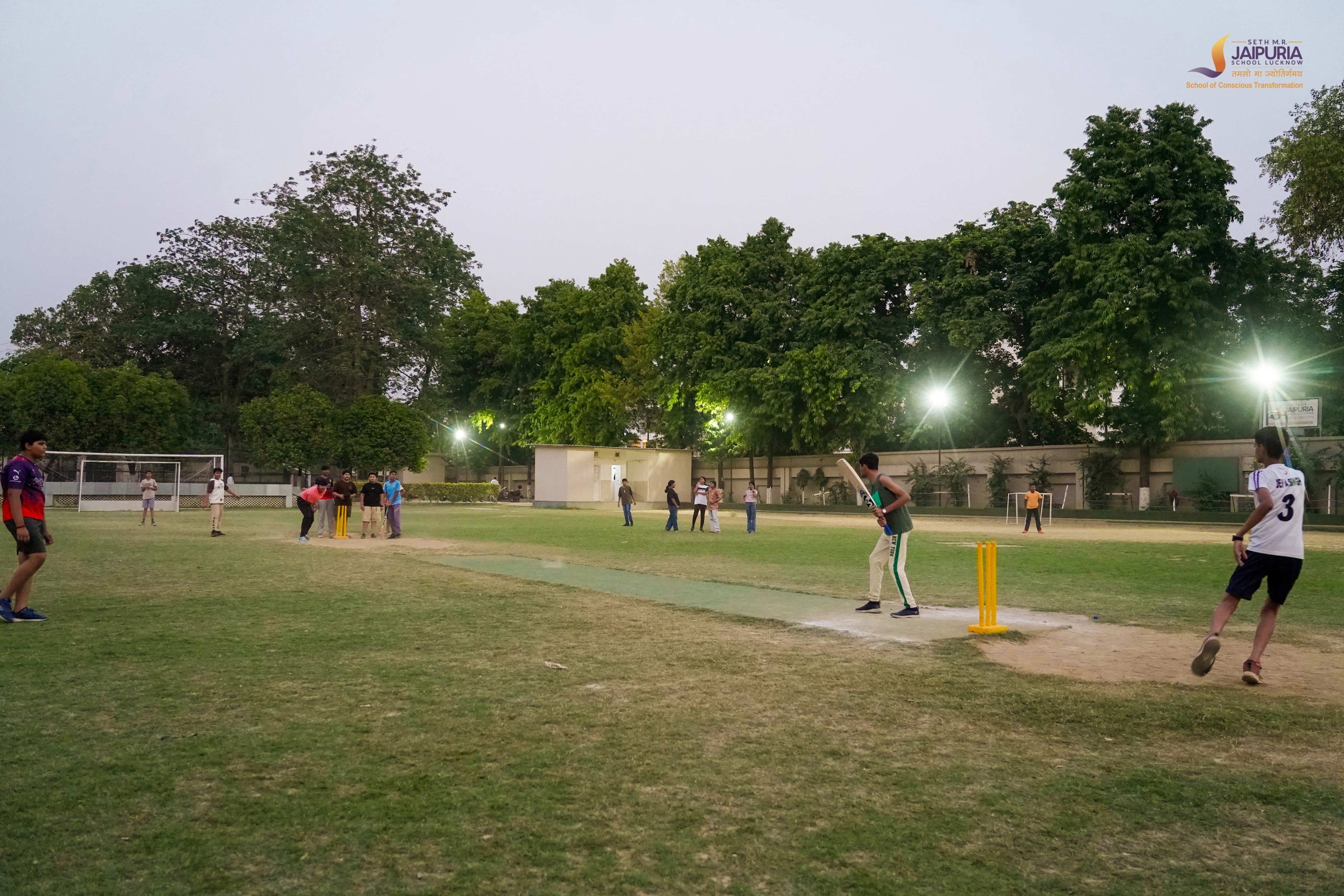
Following a joyous, uninhibited singing session, the transformative day concluded with outdoor games on the field. Students then showered and gathered in the meditation room, settling their physical energy in profound silence before enjoying a Meditative Dinner and heading to a peaceful sleep.