

A Spiritual Gathering in Harmony: Jaipuria Marks Sri Aurobindo’s Arrival and Relic Sthapana Anniversary
April 13, 2026
Teachers’ Spiritual Retreat Day 2: The Vital Being and the Path to Inner Harmony
April 15, 2026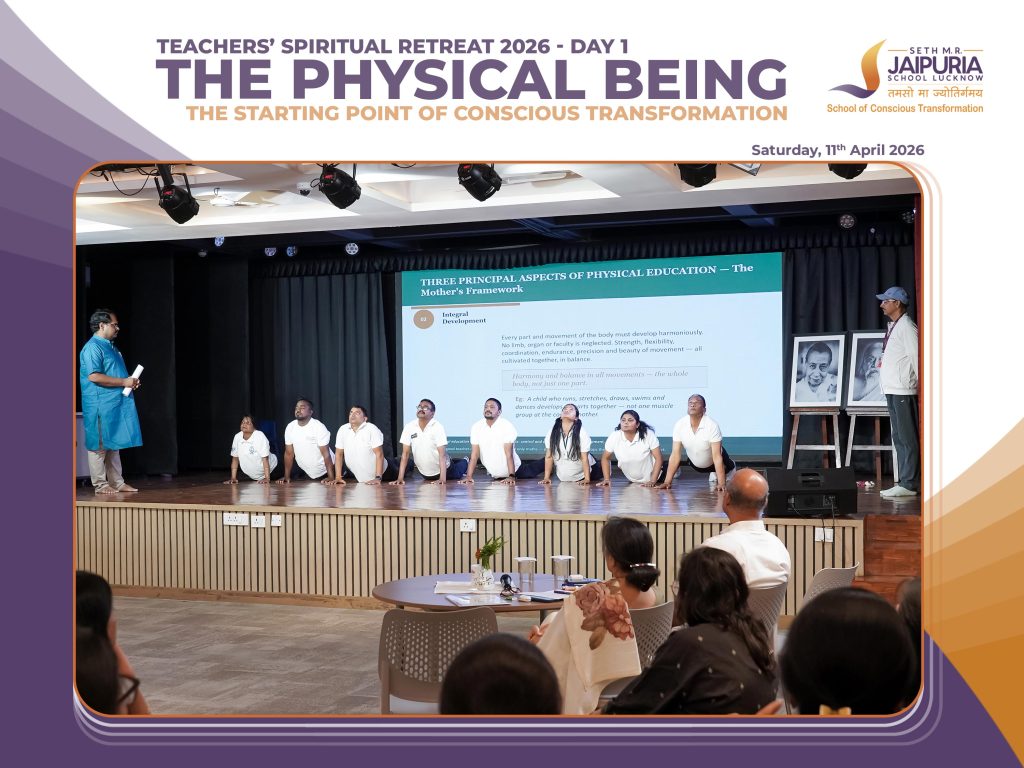
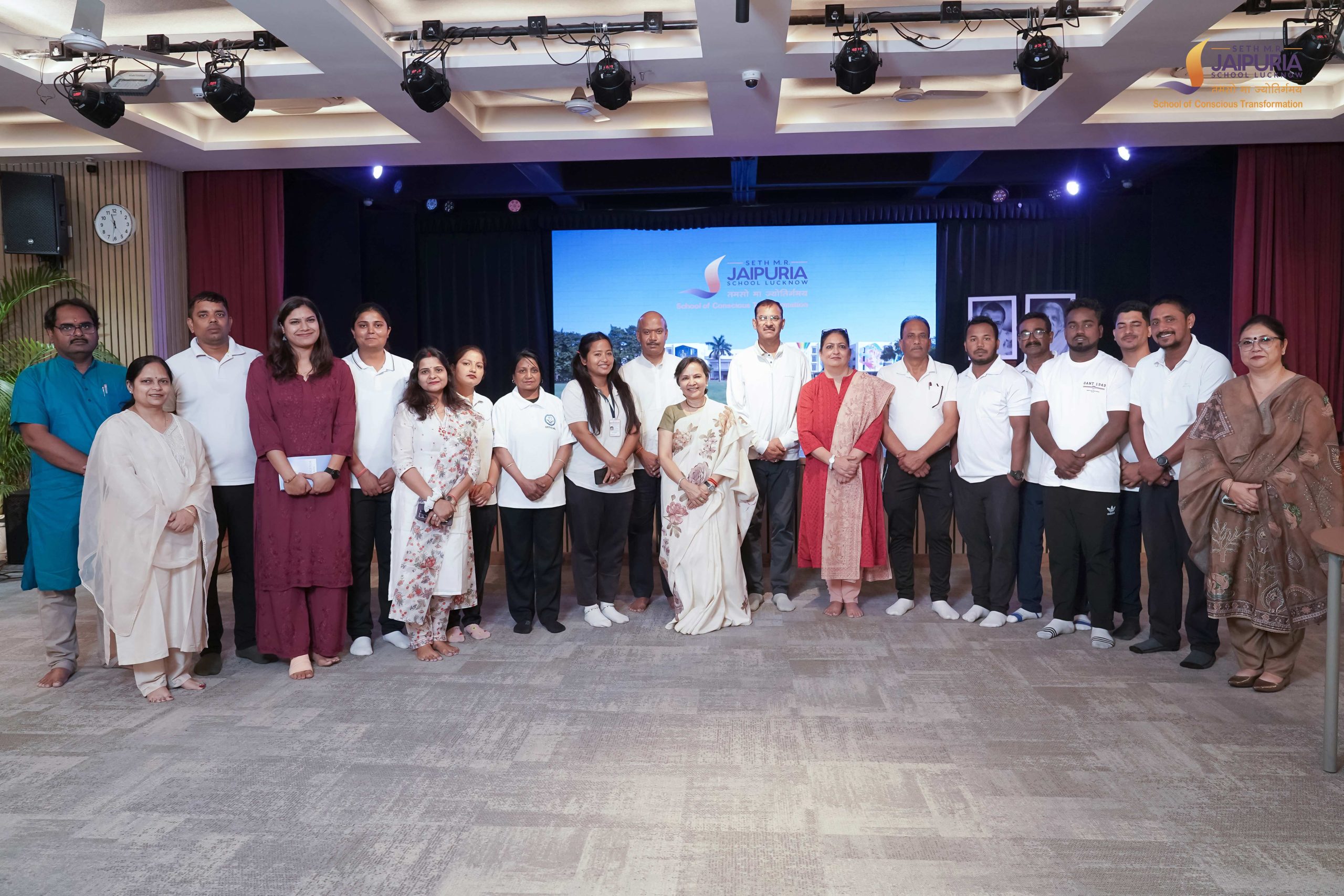
Extending its journey of inner growth, the Spiritual Retreat, earlier designed for students, was introduced this year for teachers. The four day retreat began with a focus on the theme – the physical being.
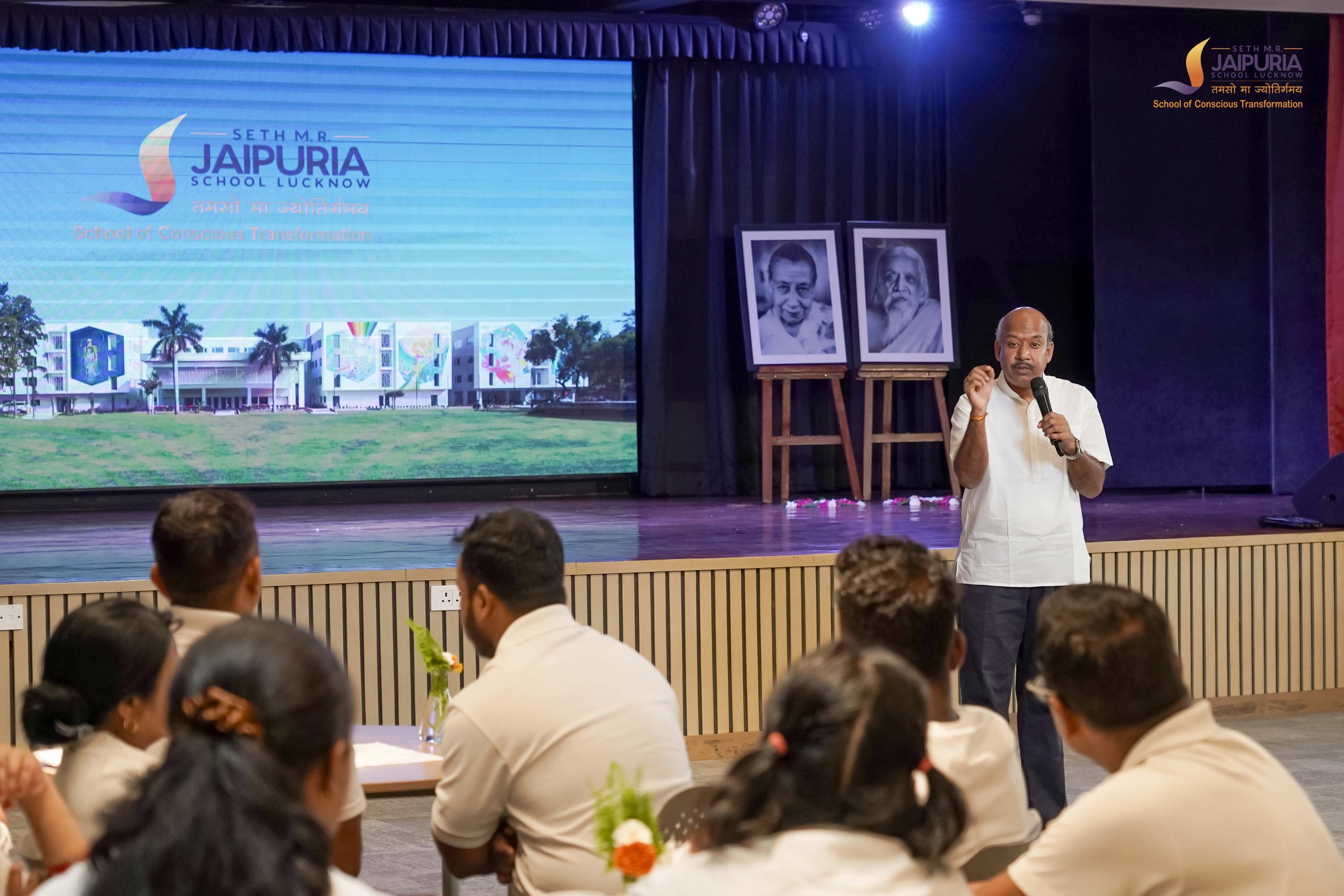
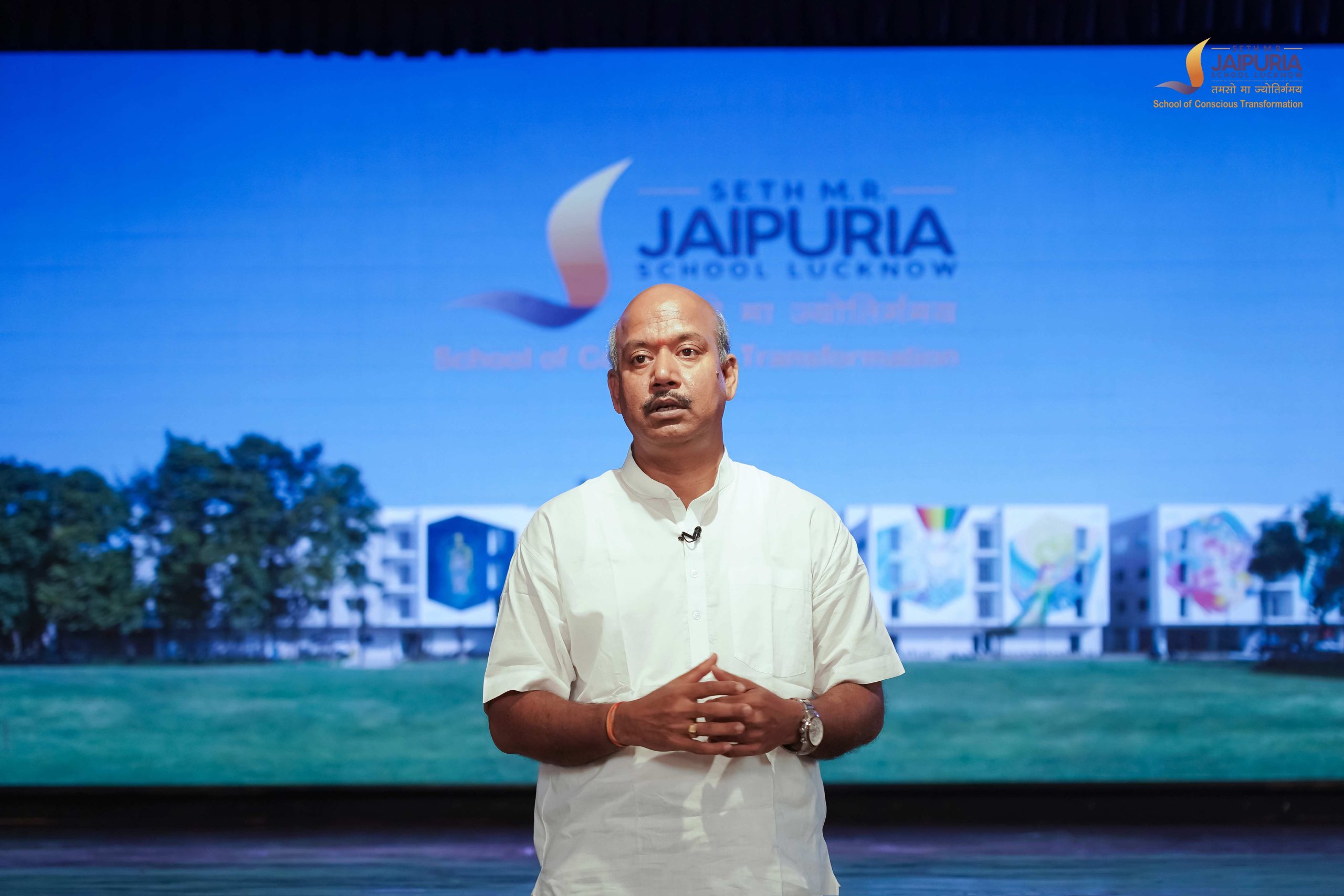
The day began with a calm, reflective orientation that gently moved the focus beyond conventional ideas of education. Dr. Sampadananda Mishra, Dean of Culture and Director of the Centre of Human Sciences at Rishihood University, set the context by presenting education not as a mere transfer of information, but as an evolving process that facilitates a shift in consciousness.
Connecting it to the central theme of the day, the physical being, he drew attention to the annamaya kosha, or the physical sheath, presenting the body not as a limitation, but as the very foundation through which deeper transformation can take shape.
He added, “Life itself is the field in which all learning takes place, and education is the process through which we evolve within that field. If transformation is our aim, especially at the level of the physical being, then education cannot remain theoretical, it has to become a conscious, continuous process that we engage with in our daily living.”
The Unnoticed Becomes Visible
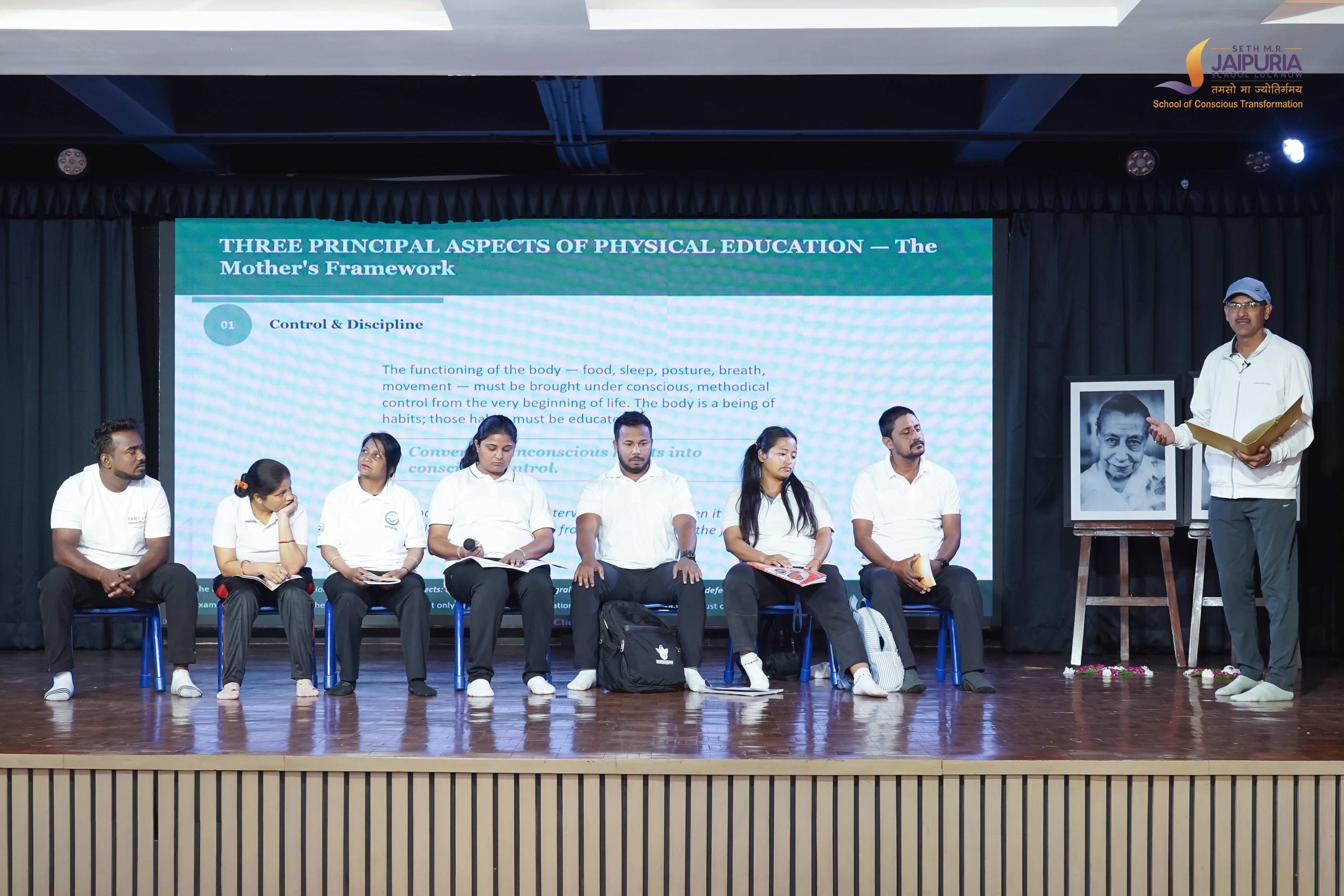
The first group presentation translated this philosophy into something tangible. A skit by the sports faculty, guided by Deepa Wahi ma’am, explored everyday habits, food, posture, sleep, and the subtle physical unawareness that quietly shapes a child’s life. It worked because it was real and recognisable.
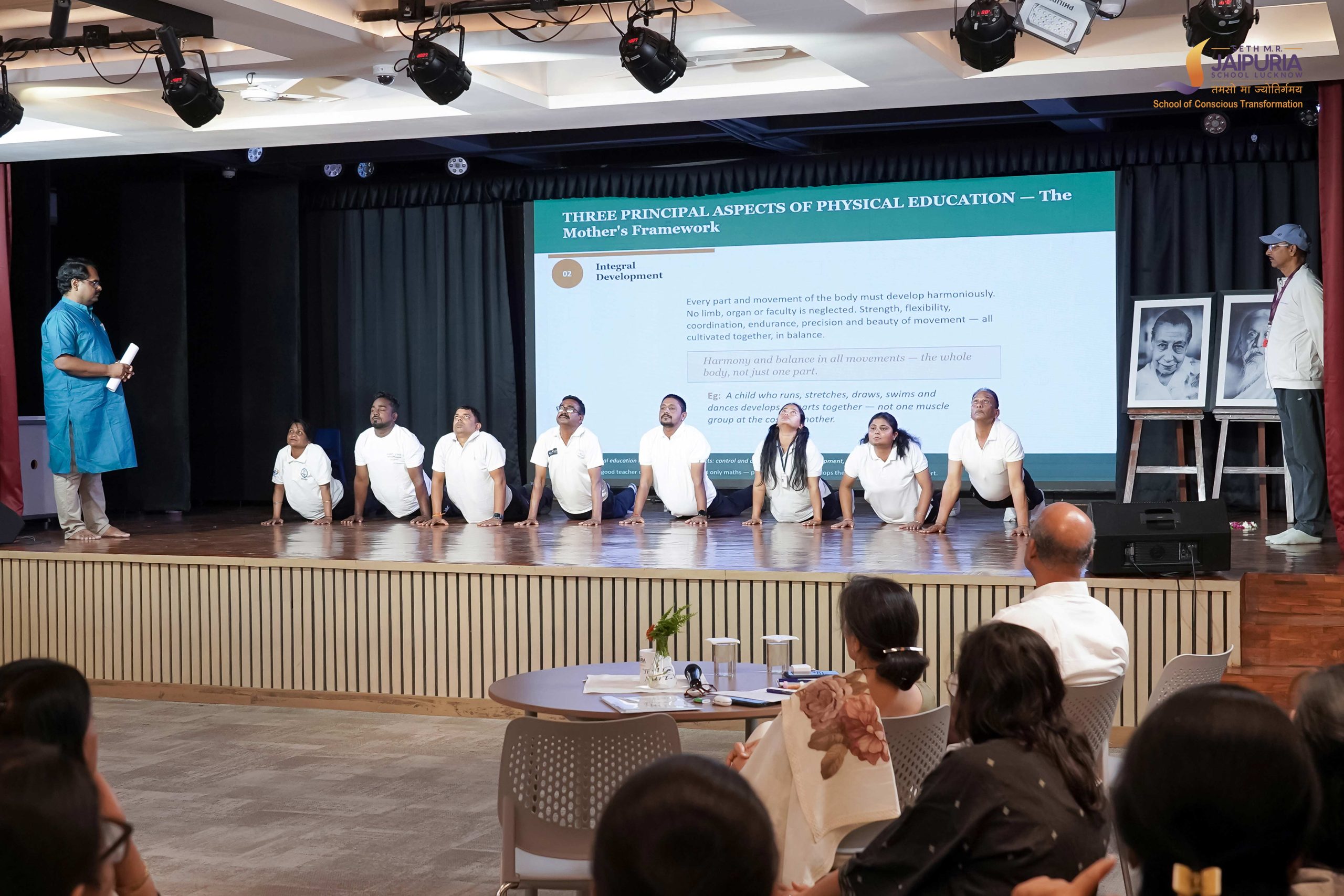
The day continued to flow between reflection and experience, with yoga, movement, and mindful activities shaping the sessions.
Beyond What We Eat: The Consciousness of Food
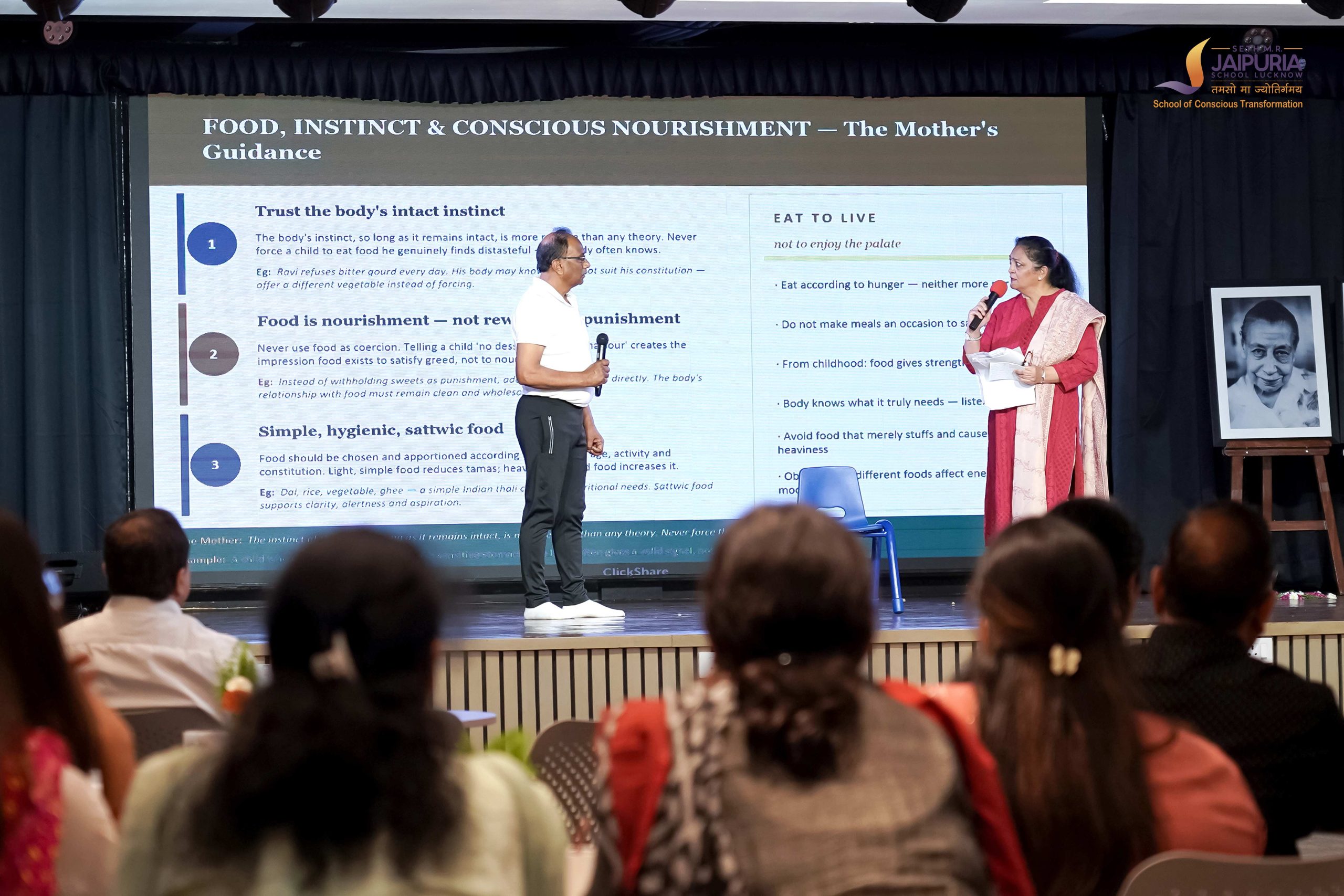
Moving forward, Dr. Sampadananda pointed out that a vital part of our physical being is the food we take in, and how we relate to it, “It is not enough to classify food as satvik or asatvik, or to follow rules mechanically. What truly matters is the consciousness with which we eat. When food is taken merely to satisfy desire, it binds us further, but when it is taken with the right attitude, as nourishment for the body, it becomes part of a conscious process of growth.”
Drawing attention inward, he spoke about the intelligence of the body that often goes unheard, “The body has its own language. It constantly communicates through signals, sensations, and responses. Yet, we have become so conditioned that we ignore these messages and continue to override them, instead of pausing, observing, and understanding what the body is trying to tell us.”
The second group began with a Zumba session instead of a regular presentation. They asked everyone to stand up and join. Soon, the room filled with movement, laughter, and energy.
Mind or Body: Rethinking the Foundation
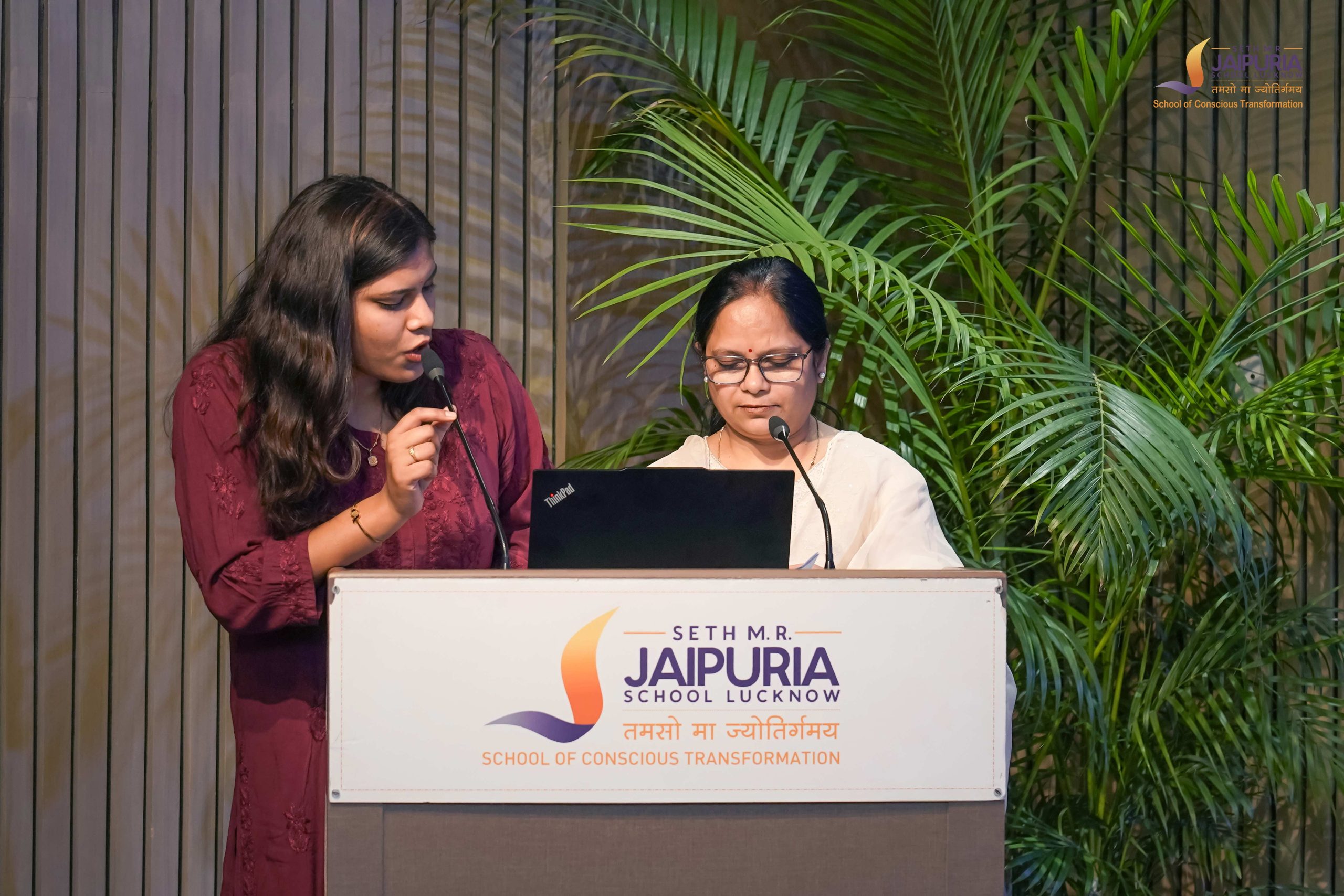
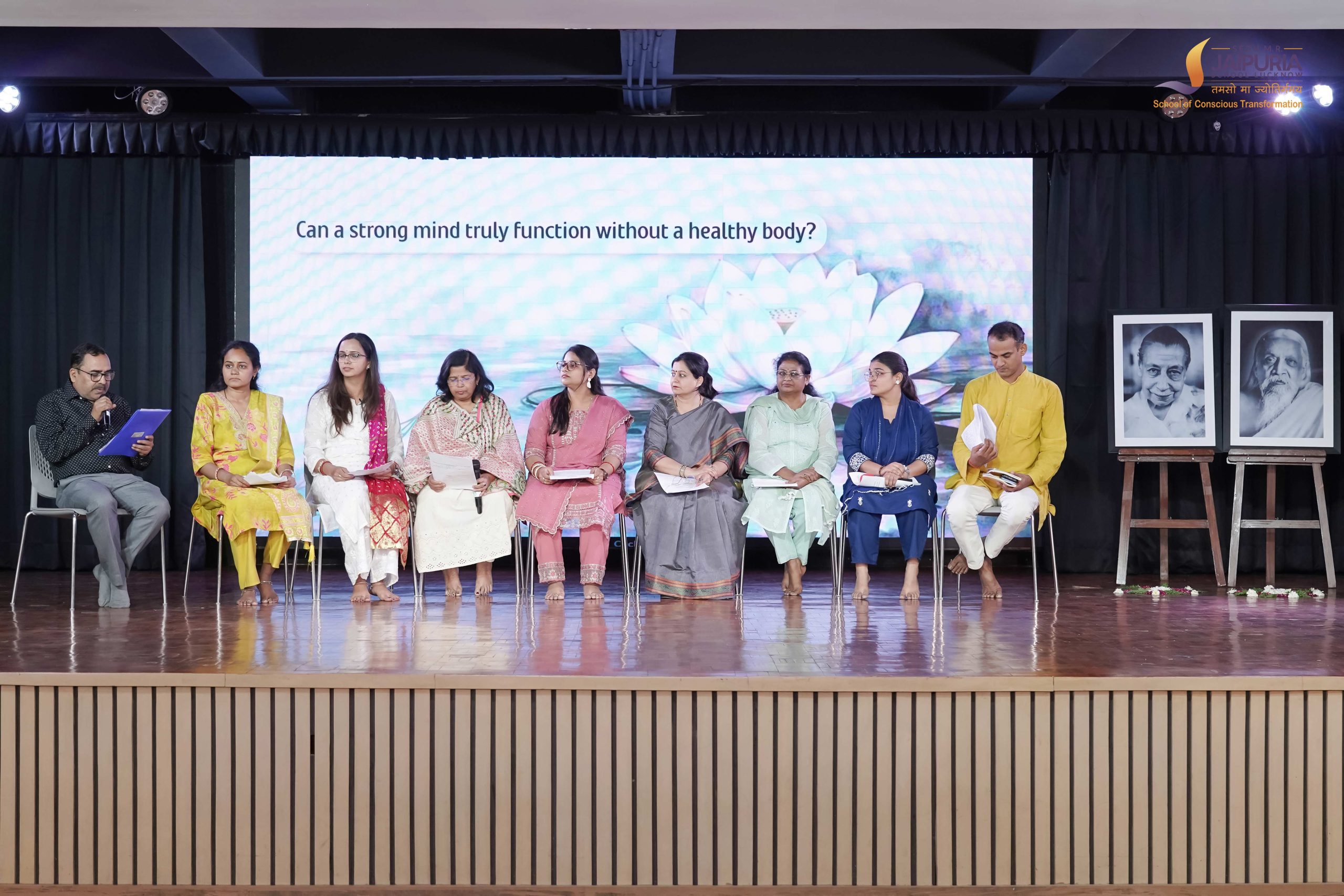
The second presentation gradually transformed into an interactive panel discussion, where a group of teachers came together on stage, not to present answers, but to raise questions. These questions were directed to the audience, inviting participation and reflection.
It began with a fundamental question that set the direction for the discussion, one of the teachers from the panel reflected, “What is the foundation of a human being? Is it the mind, is it emotions, or is it the body? Sri Aurobindo reminds us that the body is the instrument of our progress, and if the instrument itself is weak, how can the music it produces ever be complete or harmonious?”
Taking the discussion forward, the teachers collectively questioned the imbalance between mind and body in today’s context, “Can a strong mind truly function without a healthy body, or are we overestimating intellectual ability while neglecting the physical foundation that sustains it?”
Responding to this, the perspective shifted towards the interdependence of body and mind, “If the body is weak, the capacities of the mind also become limited. Strength of thought and clarity of understanding cannot fully manifest without physical well-being, because the body, mind, and spirit are not separate, they function as one integrated whole.”
Reinforcing this connection through lived experience, another teacher highlighted how physical health directly impacts mental functioning, “When the body is unwell, concentration declines, energy drops, and even our ability to think clearly is affected. On the other hand, when the body is active and healthy, the mind naturally becomes more focused, stable, and receptive.”
Understanding Space, Understanding Self
After the panel discussion, Raghuvendra sir led a space–body exercise. He asked everyone to spread out and move around the room slowly, staying aware of their body and the space around them. Participants had to walk without bumping into each other, covering the whole space evenly and adjusting their movement as needed. The focus was on being mindful while moving, maintaining balance, and respecting others’ space.
From Awareness to Living
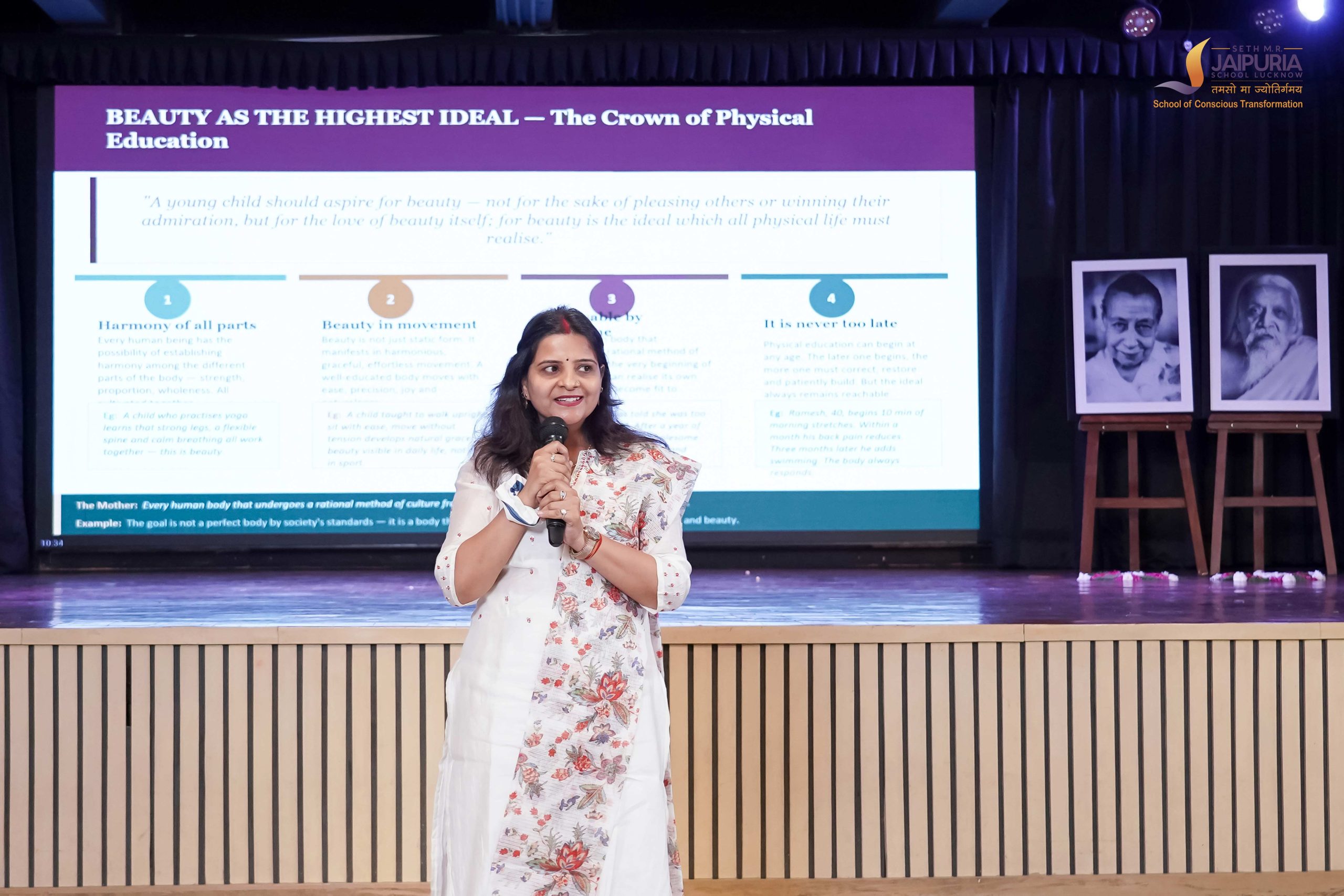
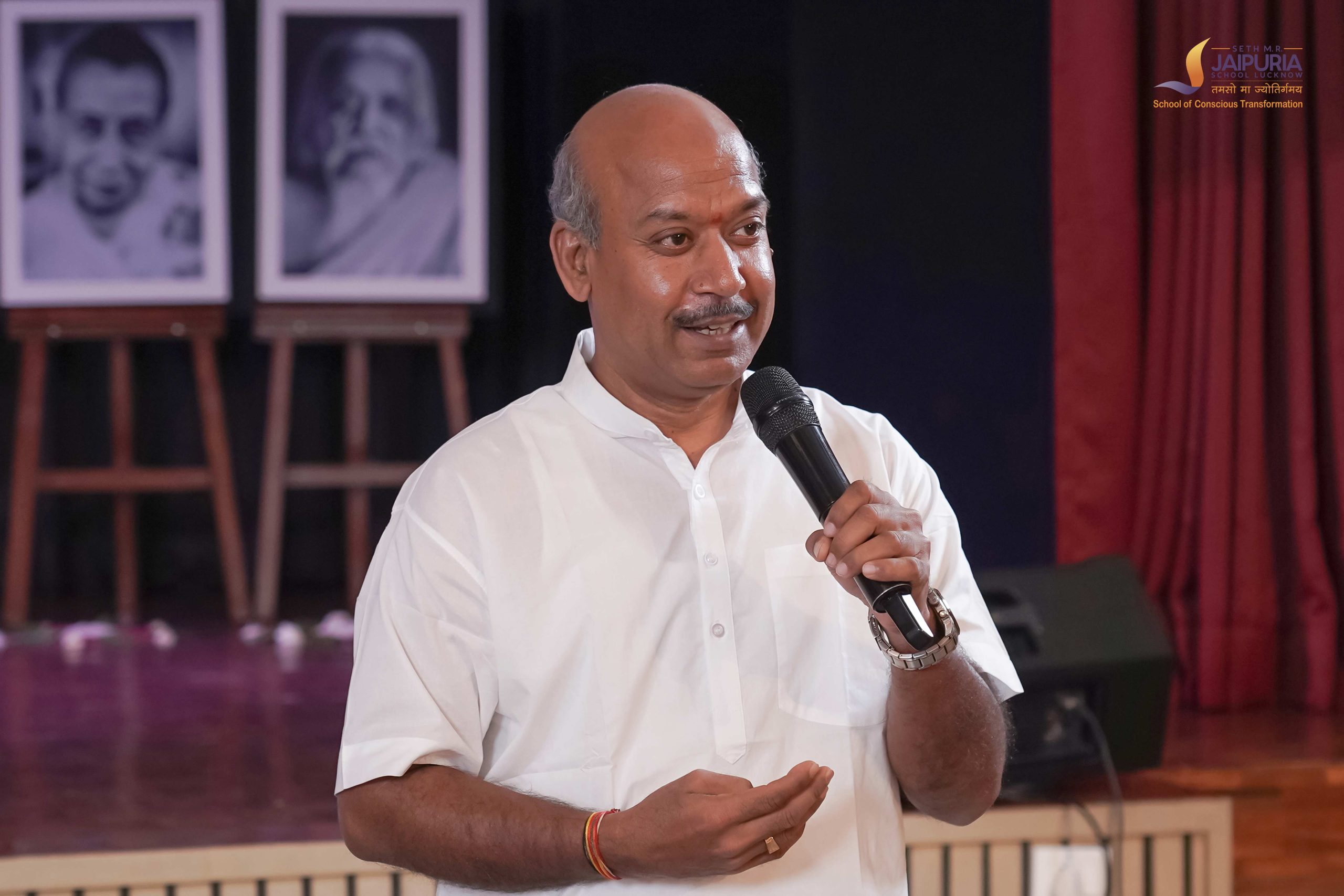
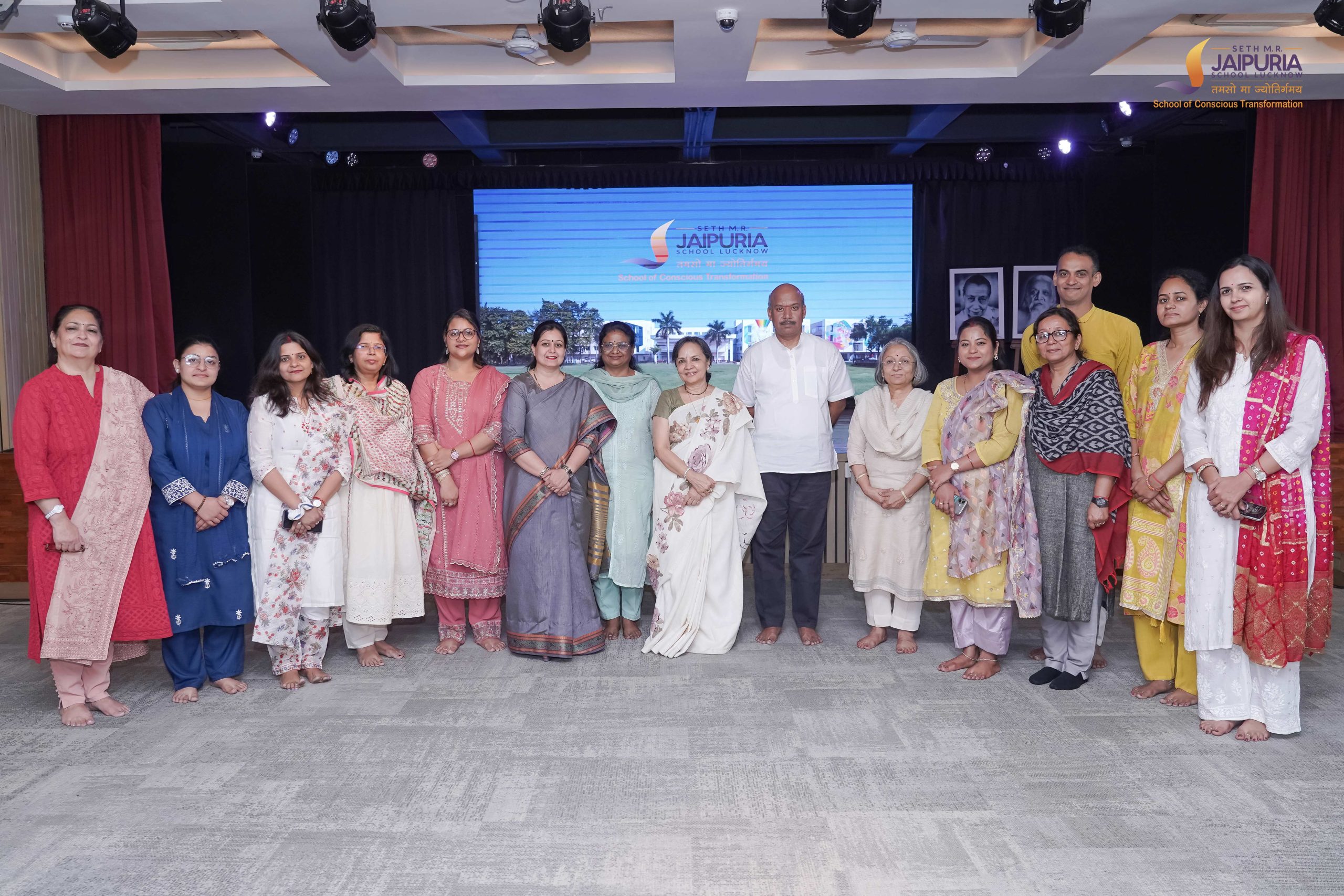
As the session drew to a close, Sampanand ji offered his reflections, bringing together the key ideas of the day, touching upon awareness, discipline, and the deeper purpose of working with the body as an instrument of growth.
Reinforcing the essence of the discussions, he returned to the idea that transformation begins with small, conscious shifts in daily living, “If we do not begin with the small things, the way we sit, eat, move, and rest, then the larger ideas of transformation will remain only at the level of thought and never become a lived reality.”
Concluding on a note that tied the physical to the larger purpose of life, he reminded everyone of the role of the body as a conscious instrument, “When we begin to live with this awareness, the body is no longer just something we carry. It becomes an instrument through which harmony, strength, and a deeper consciousness can express itself in our daily lives.”