

Alumnus Rishabh Singh Shares His NEET Journey with Class 9 and 10 Students
January 21, 2026
Sundarkand Recital: Jaipuria Observes the Second Year of Pran Pratishta
January 23, 2026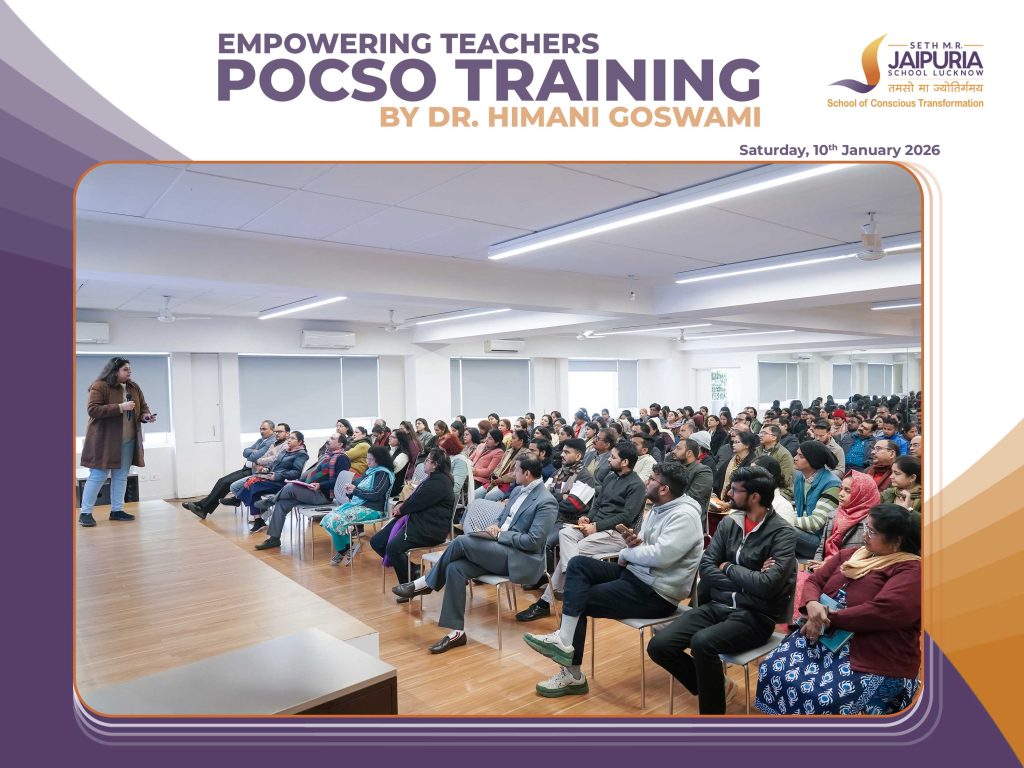
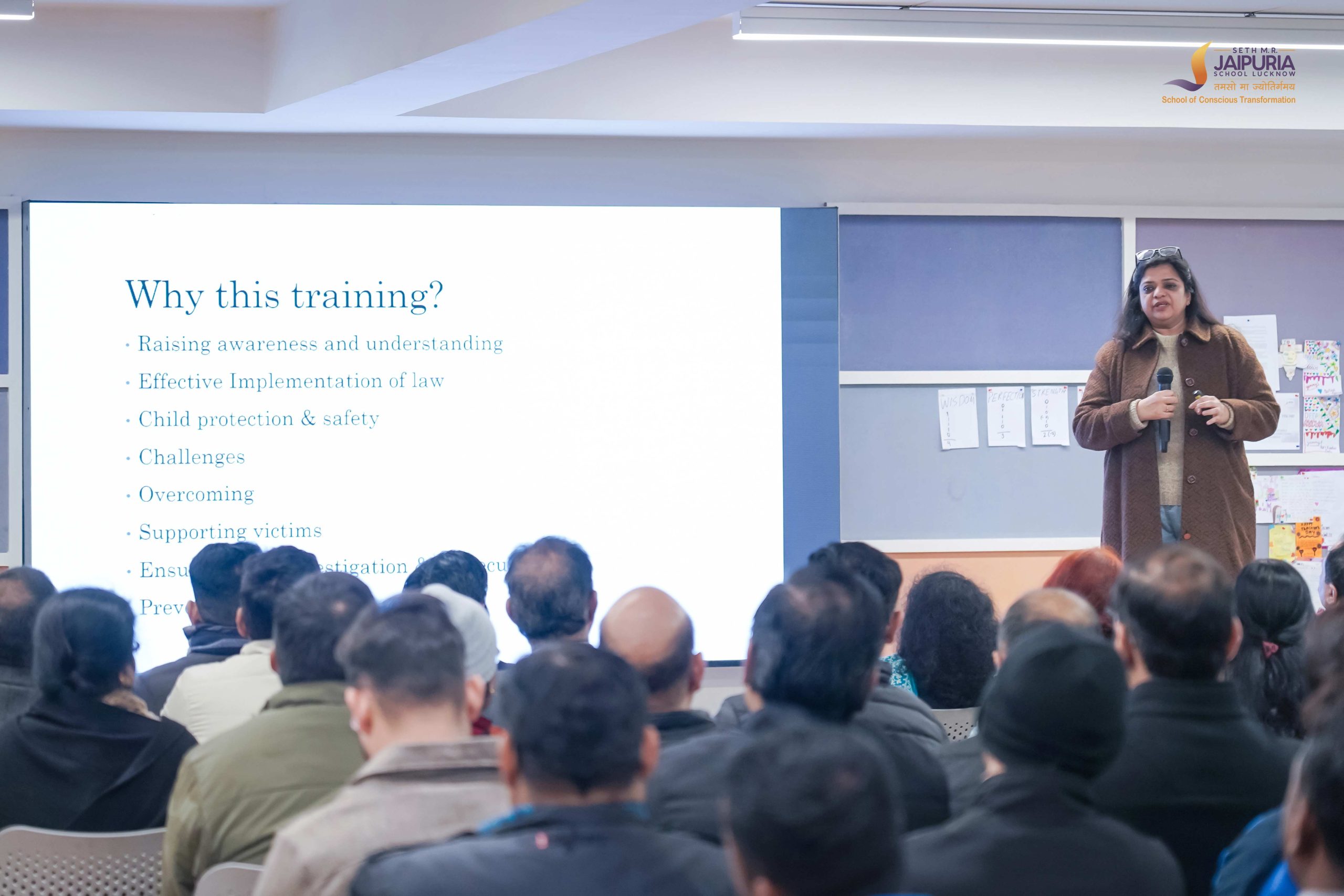
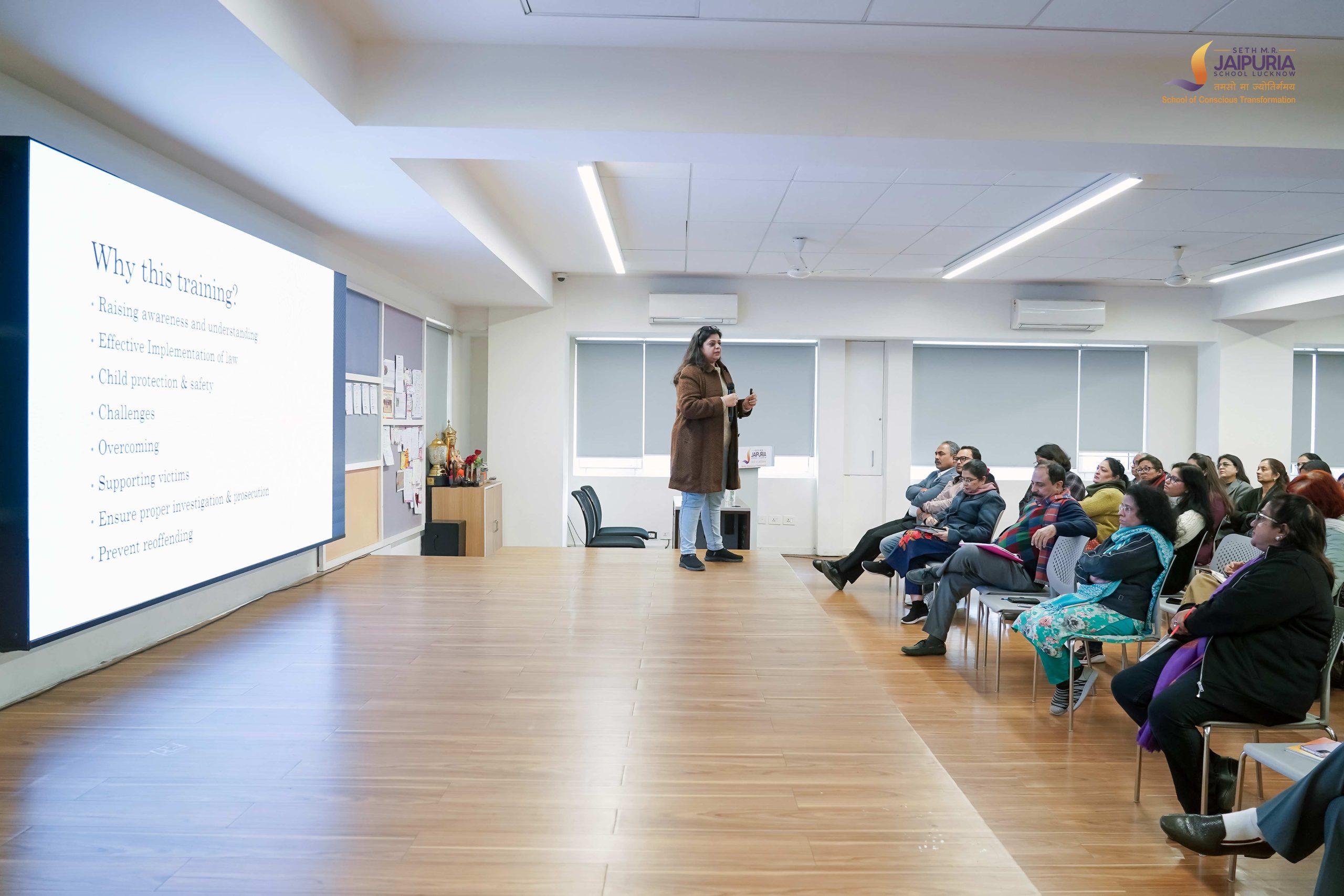
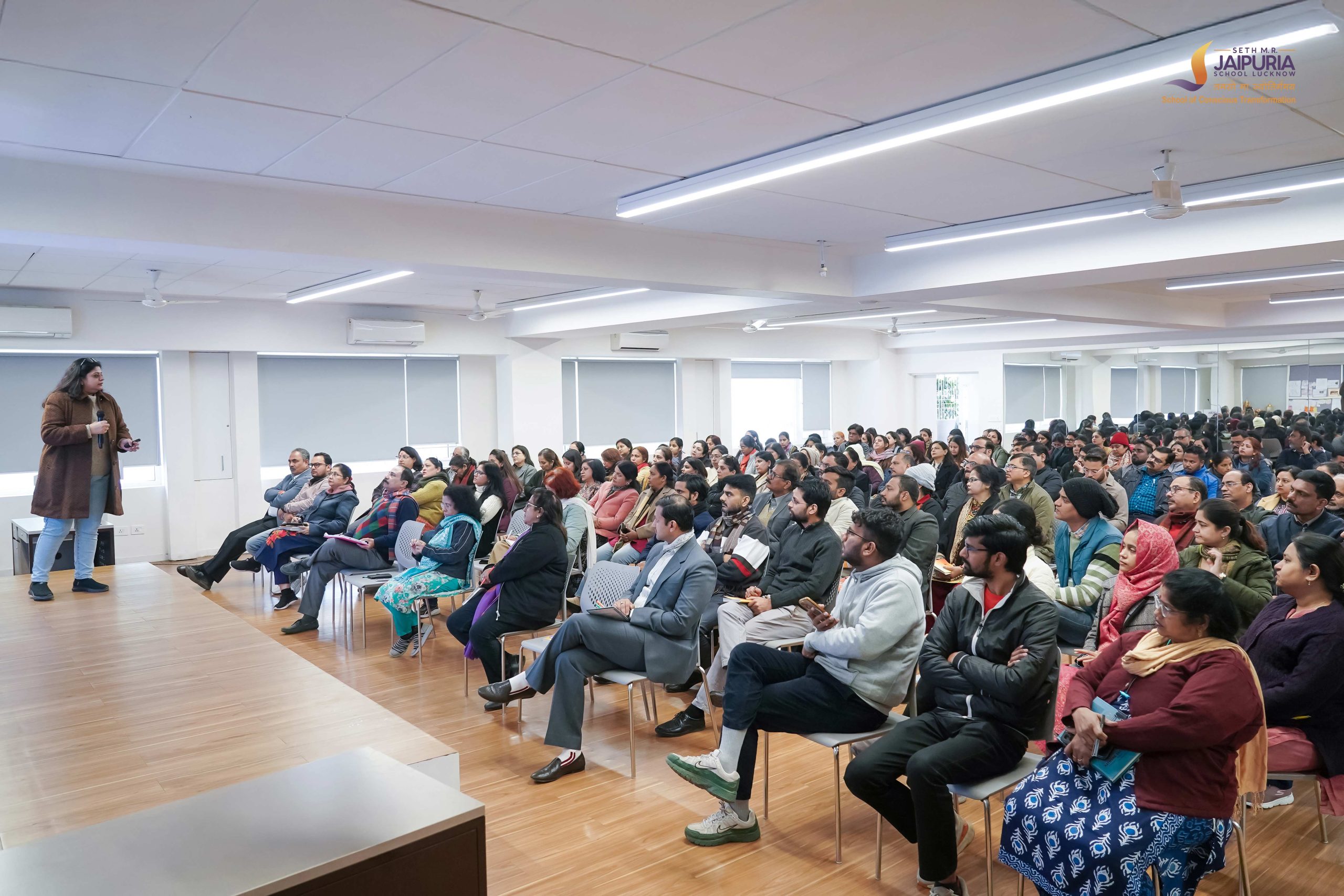
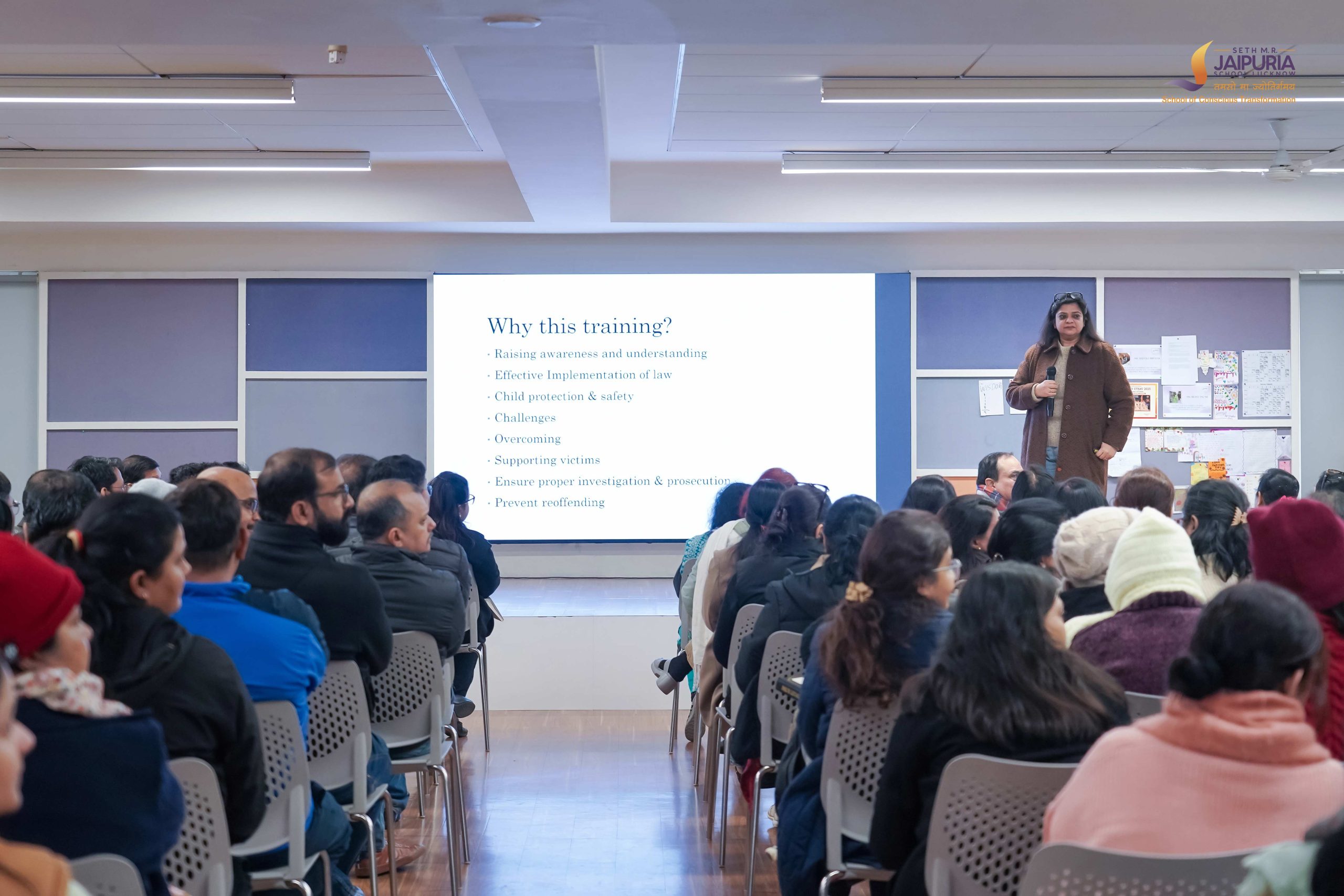
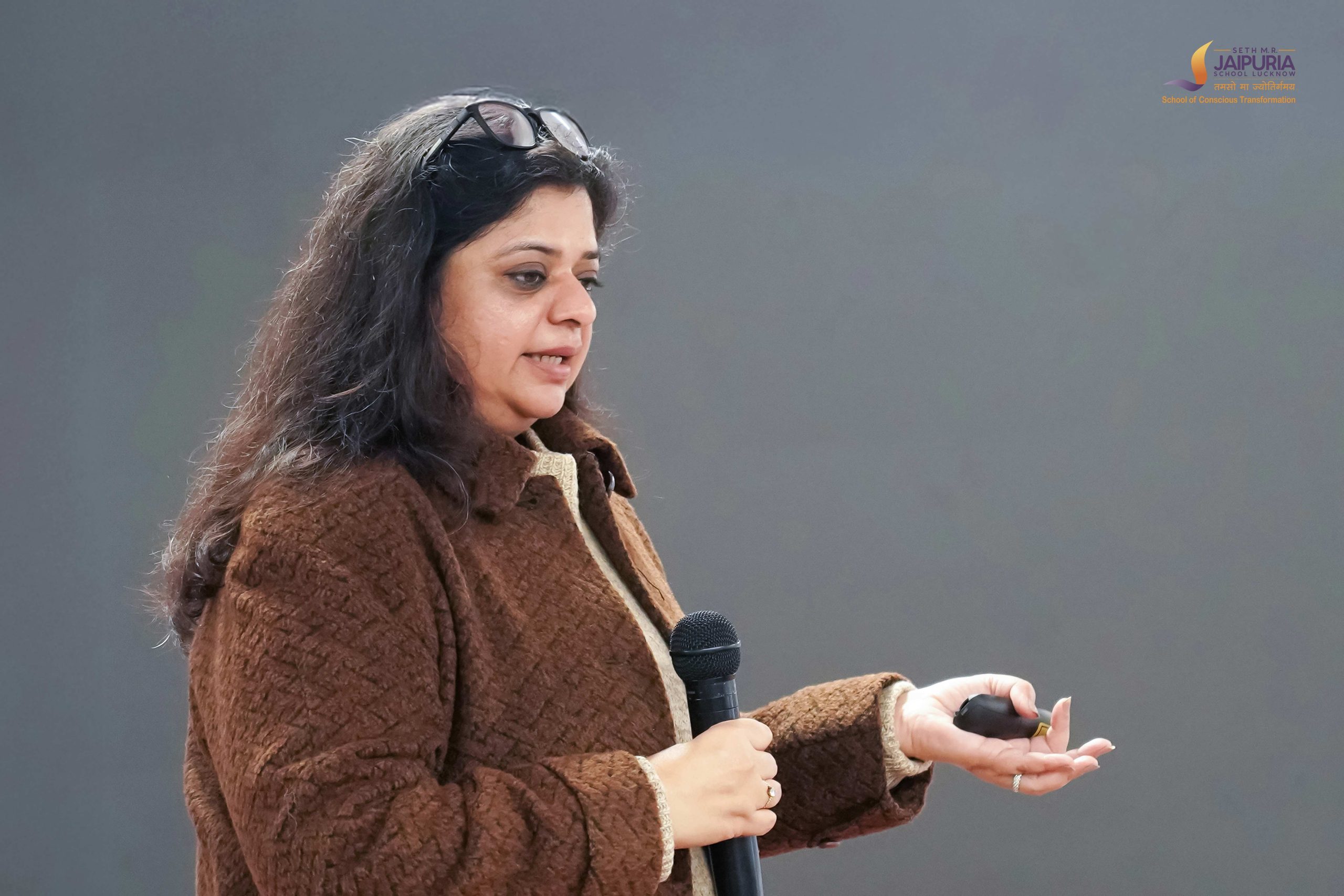
The school recently hosted an awareness session on POCSO and child safety, conducted by Dr. Himani Goswami, as part of its continued commitment to creating a secure and supportive environment for every child. The session was held in two interactive segments for teachers, administrative staff and support staff, ensuring that all stakeholders working closely with students are aligned in their responsibilities.
The focus of the session was on awareness, sensitivity, and preparedness. Participants were guided on recognising age-appropriate boundaries, understanding the importance of emotional well-being, and responding responsibly to concerns related to child safety. Emphasis was placed on the role adults play in building trust, listening carefully, and ensuring that children feel safe to express themselves.
The discussion also touched upon the importance of creating spaces where children feel comfortable seeking help. Participants were reminded that a child’s sense of safety often depends on how approachable and attentive the adults around them are, both inside and outside the classroom.
Attention was drawn to the value of observation and early intervention. Subtle changes in students’ behaviour, communication, or engagement were discussed as signals that deserve careful attention, reinforcing the need for staff members to remain mindful and responsive in their everyday roles.
Speaking during the session, Himani Goswami highlighted that “child safety begins with awareness and empathy,” underscoring the need for adults to remain alert, approachable, and informed at all times. She also spoke about the importance of following established school protocols and working collaboratively to safeguard students’ physical and emotional well-being.
The session encouraged open dialogue and reflection, allowing participants to engage through questions and shared experiences in a guided, professional manner. Practical insights were shared on creating a child-friendly environment, reinforcing positive communication, and ensuring that safety measures are not just policies on paper but everyday practices.