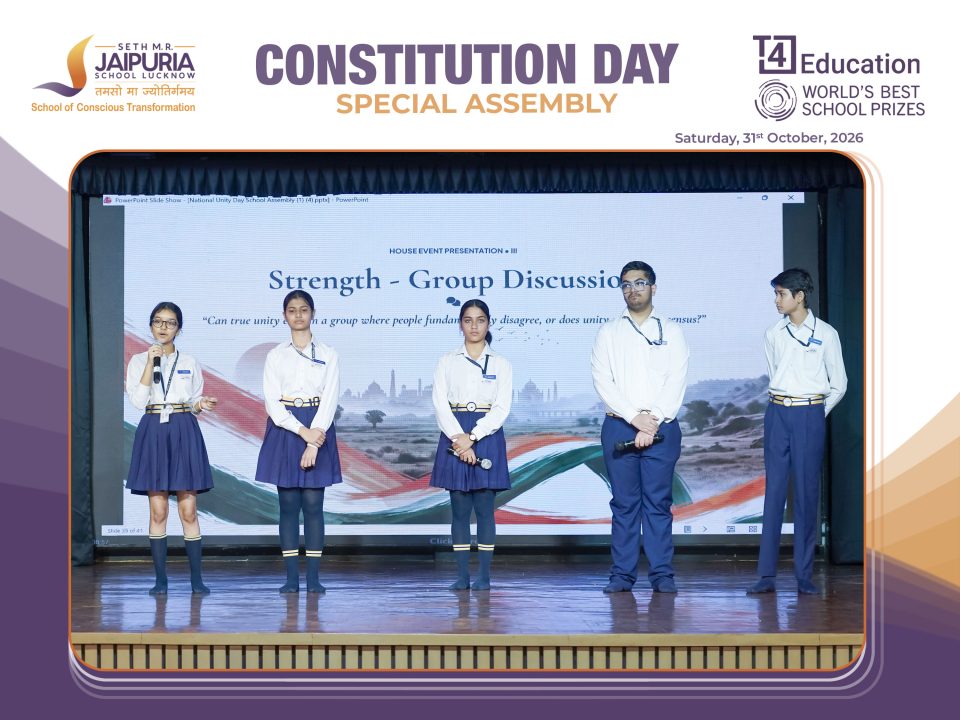


Rashtriya Ekta Diwas: Celebrating the Spirit of Oneness
November 3, 2026
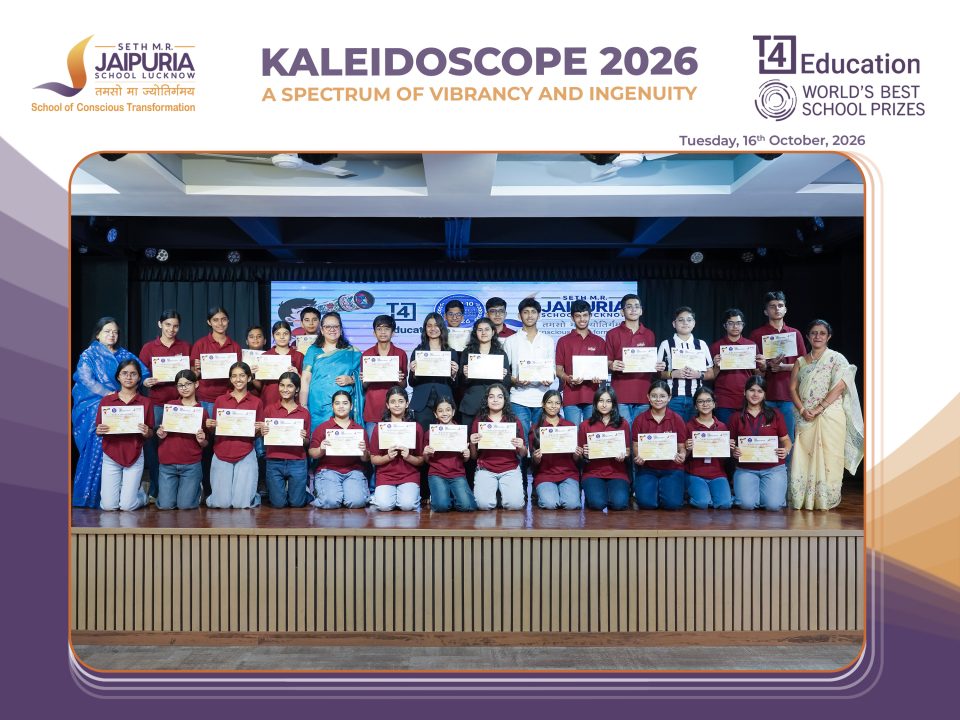
Kaleidoscope 2026: A Spectrum of Vibrancy and Ingenuity
November 3, 2026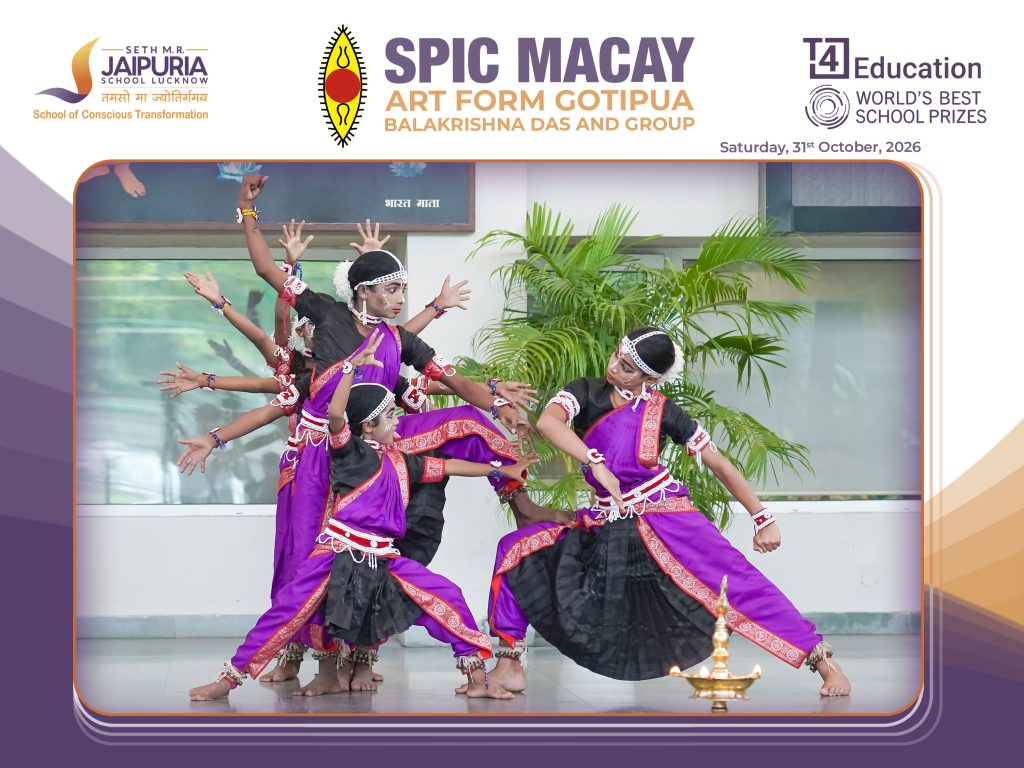
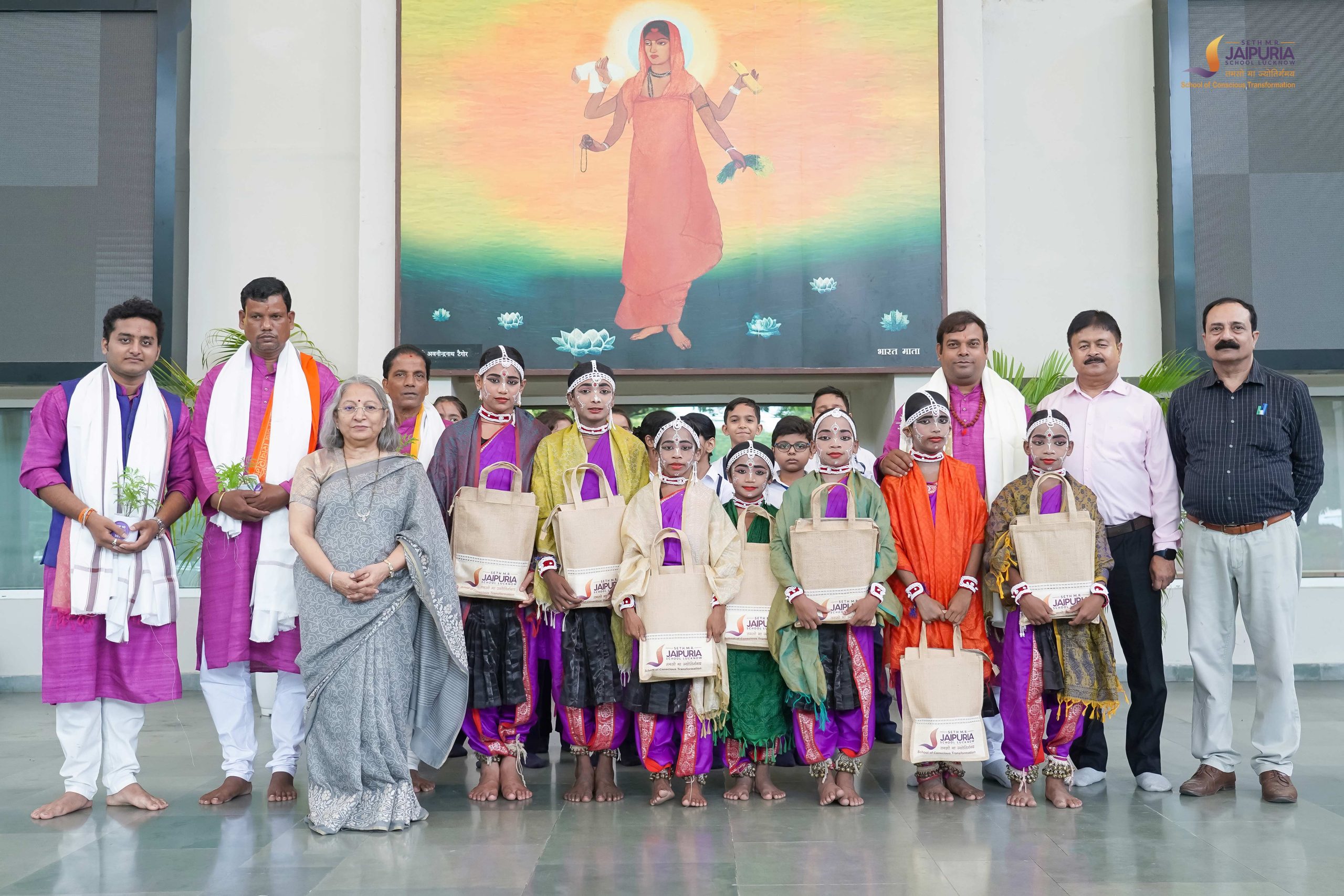
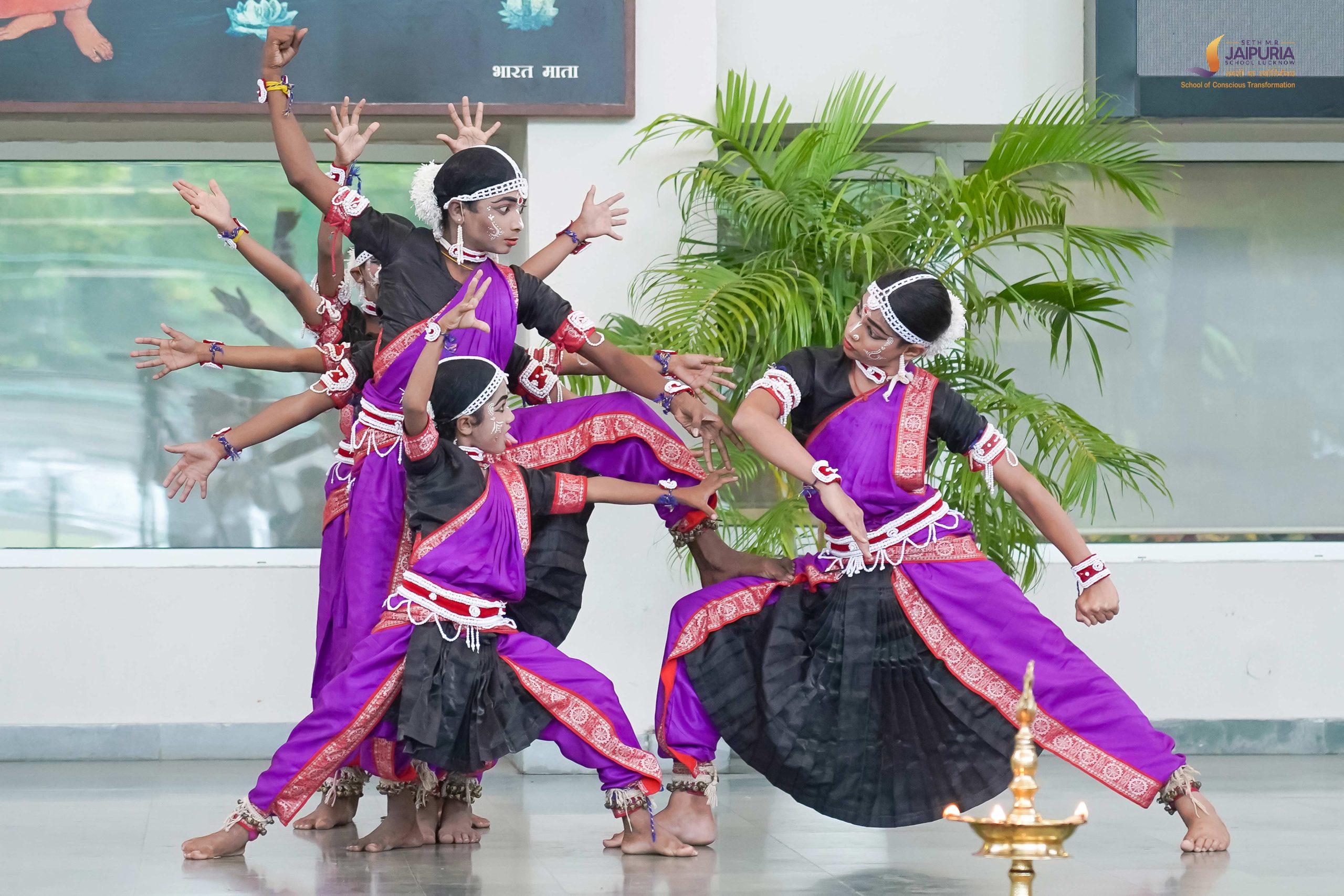
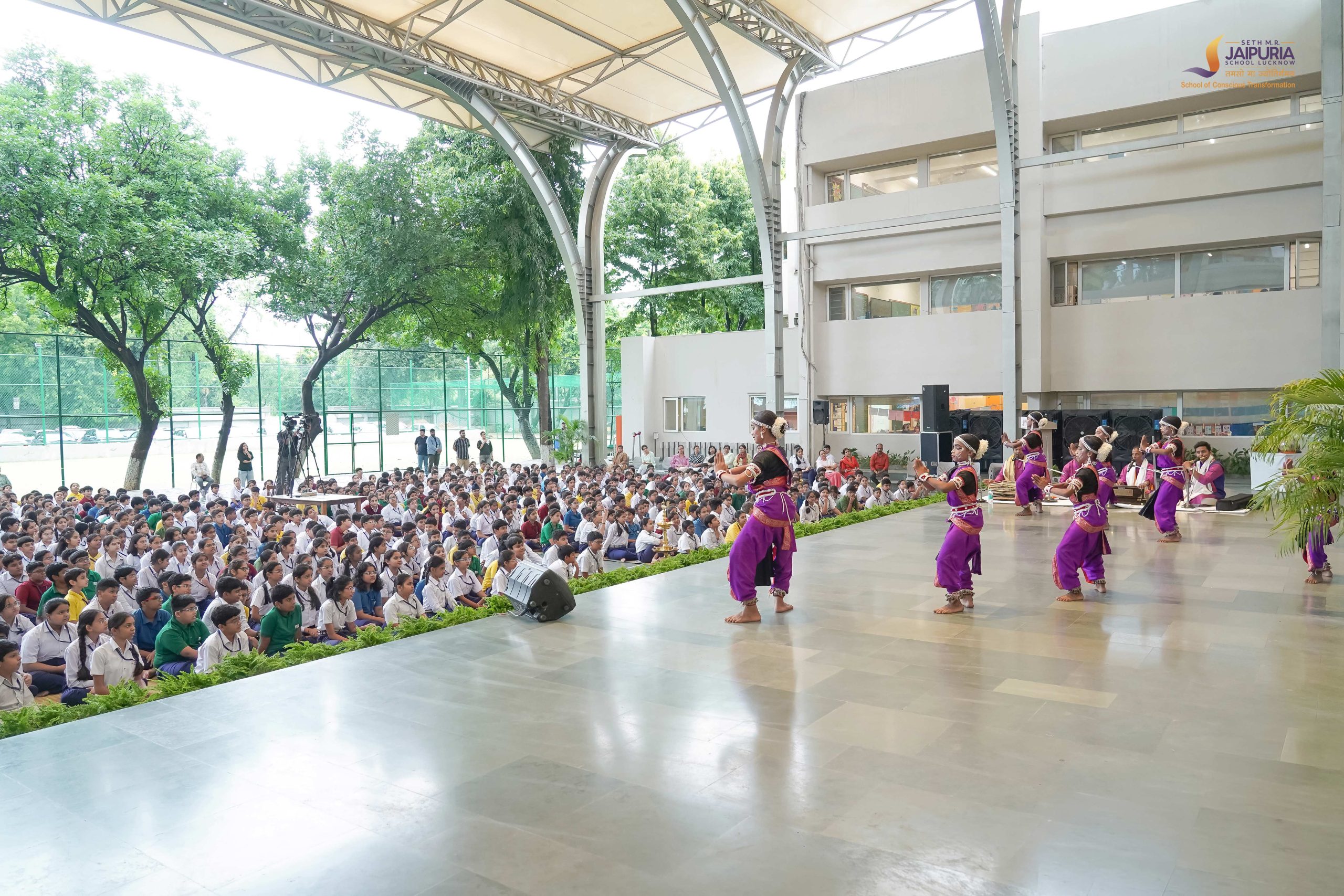
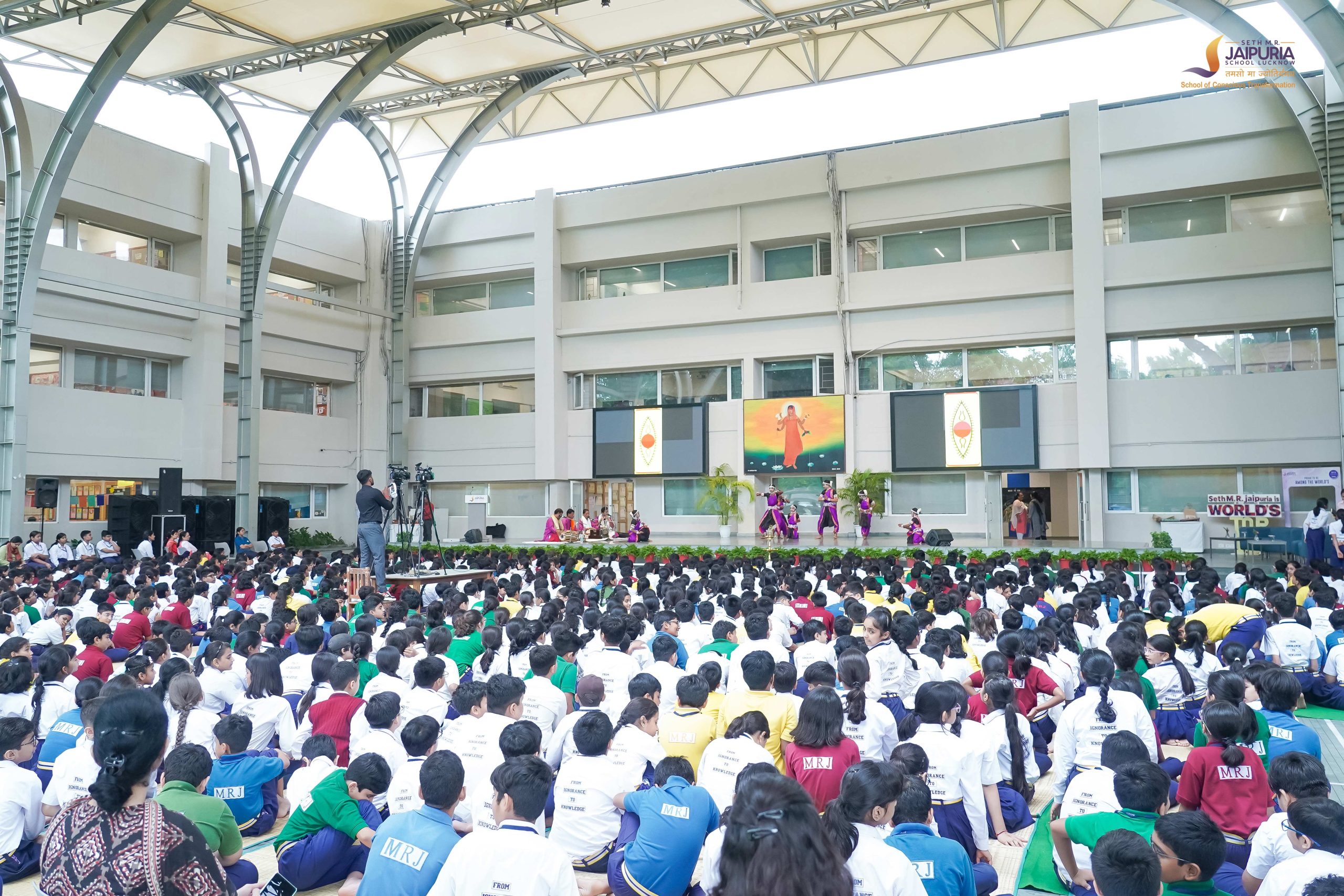
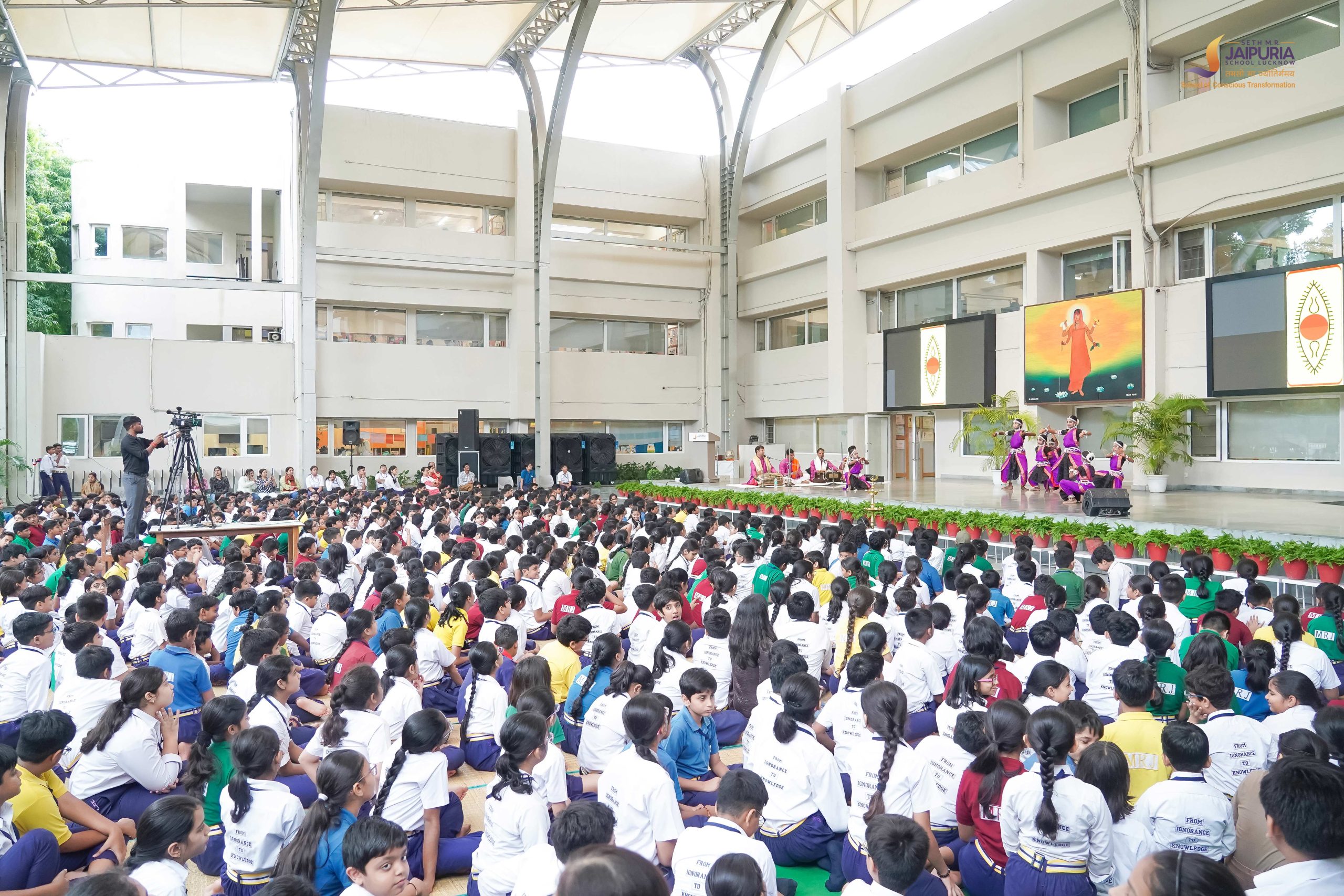
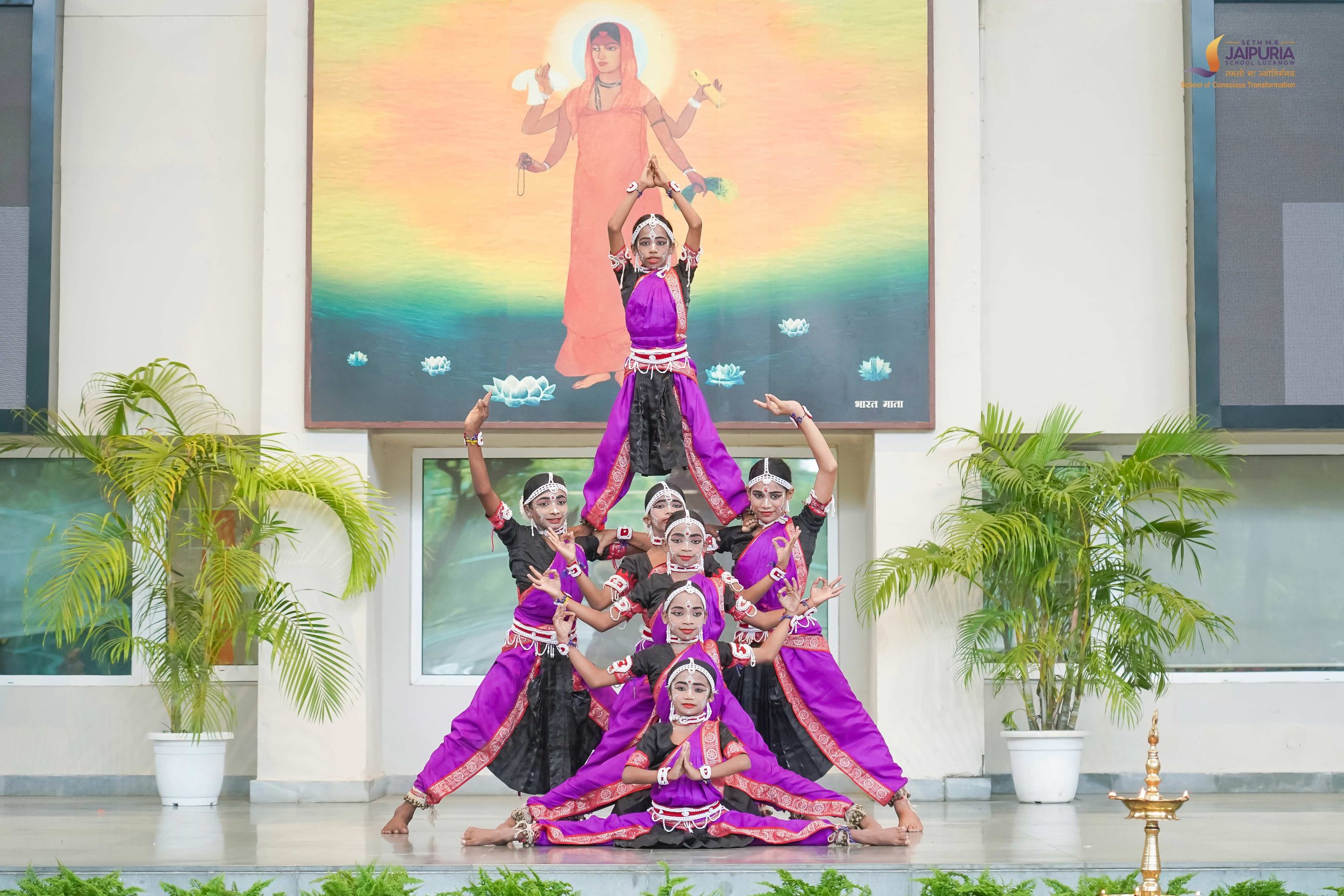
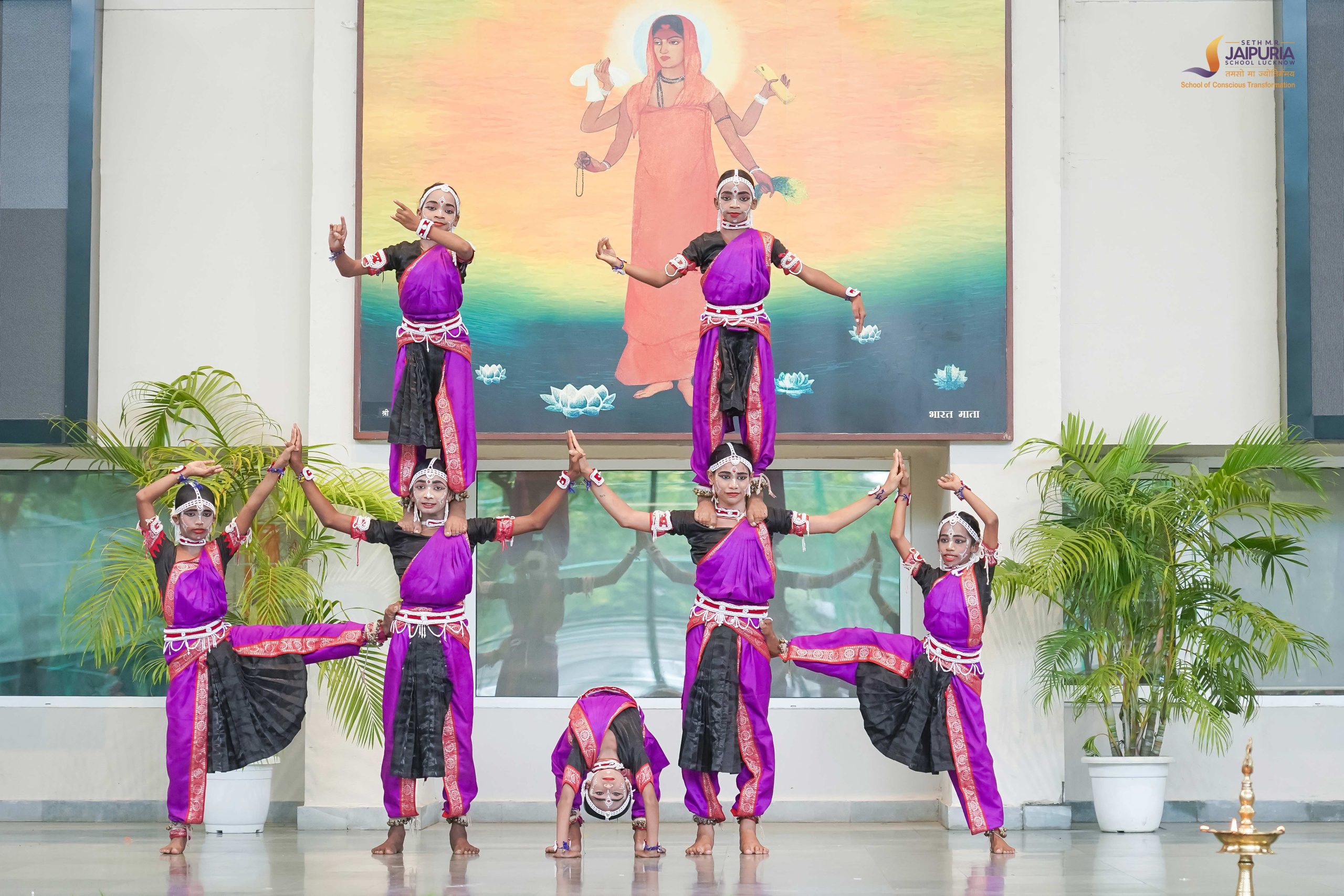
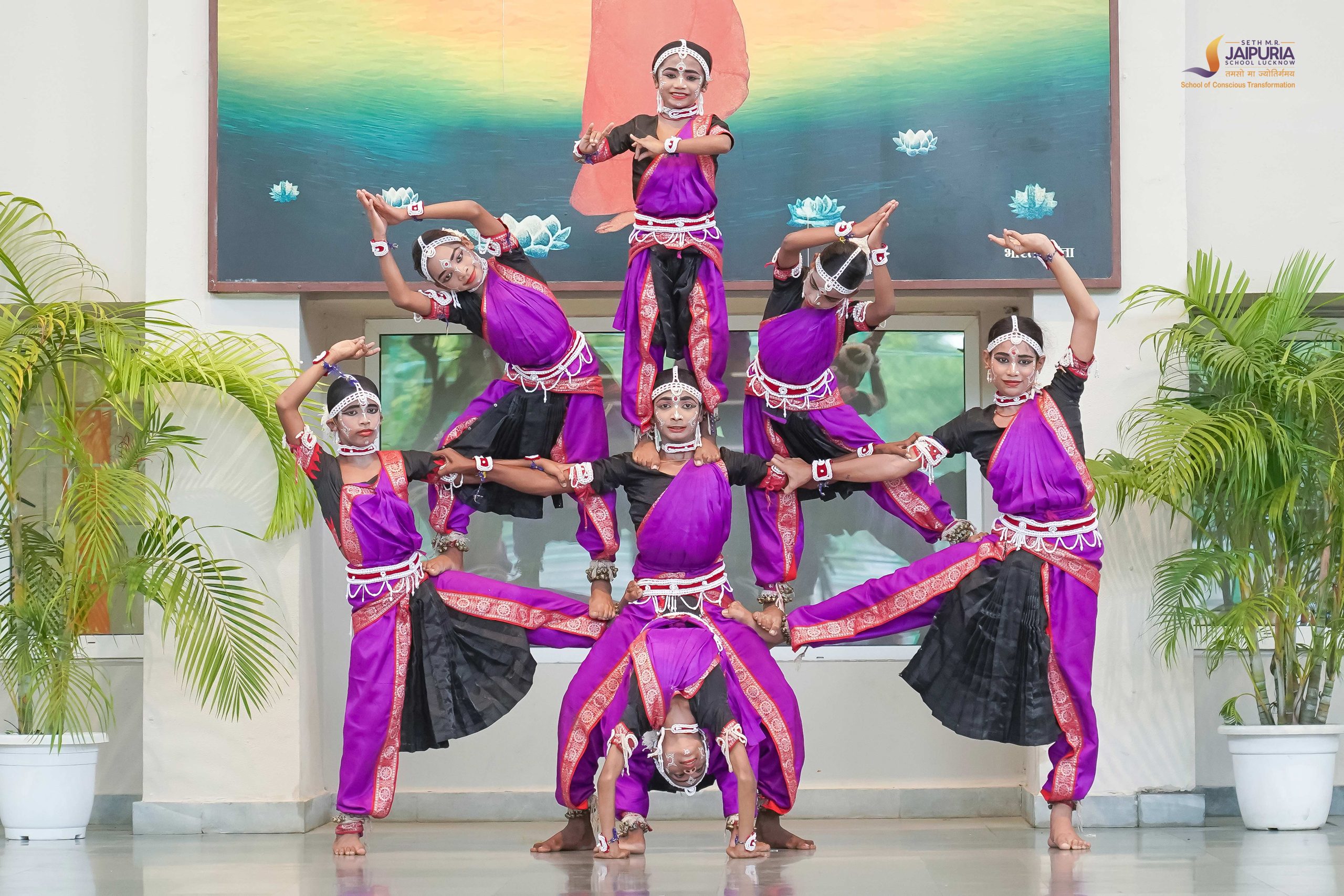
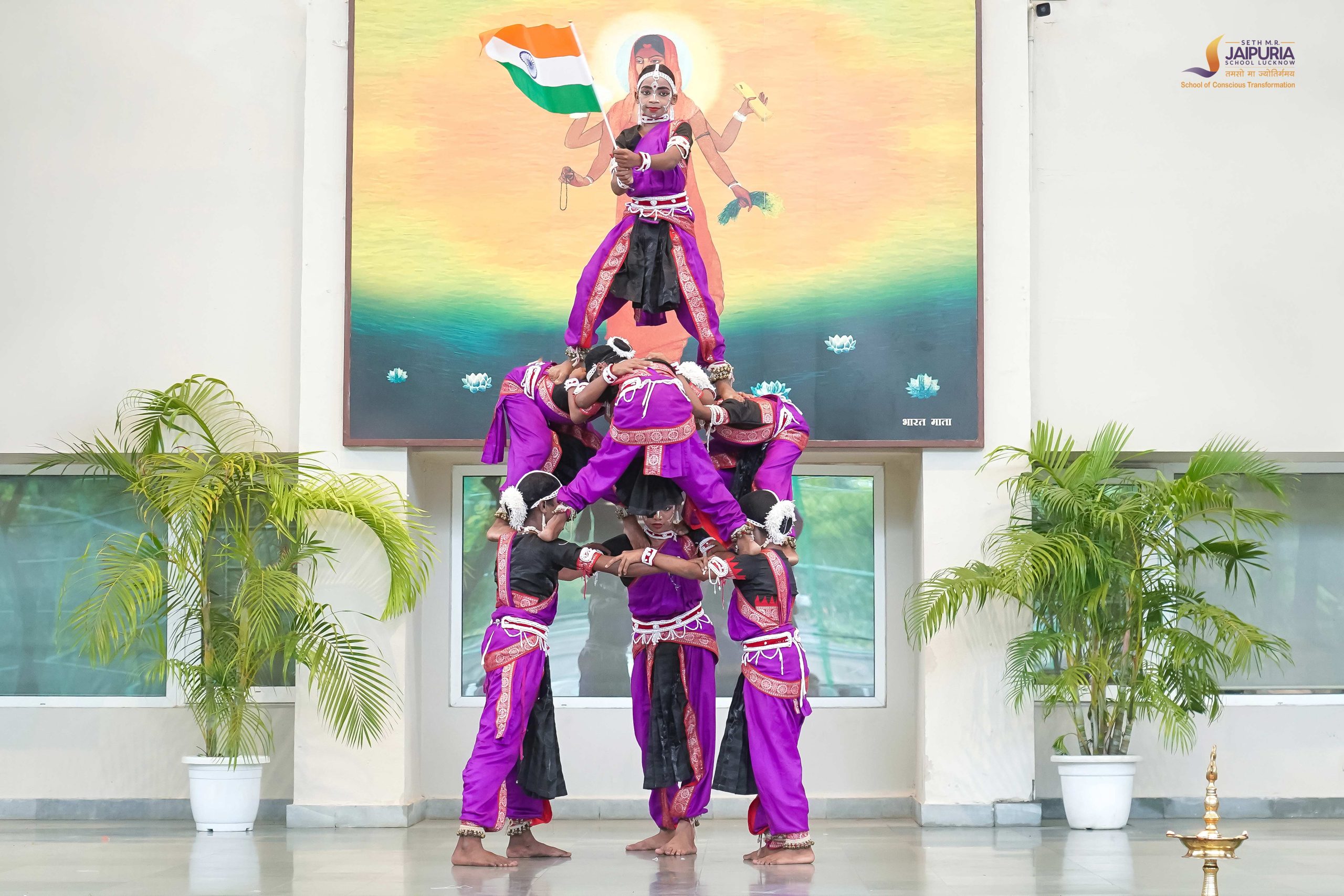
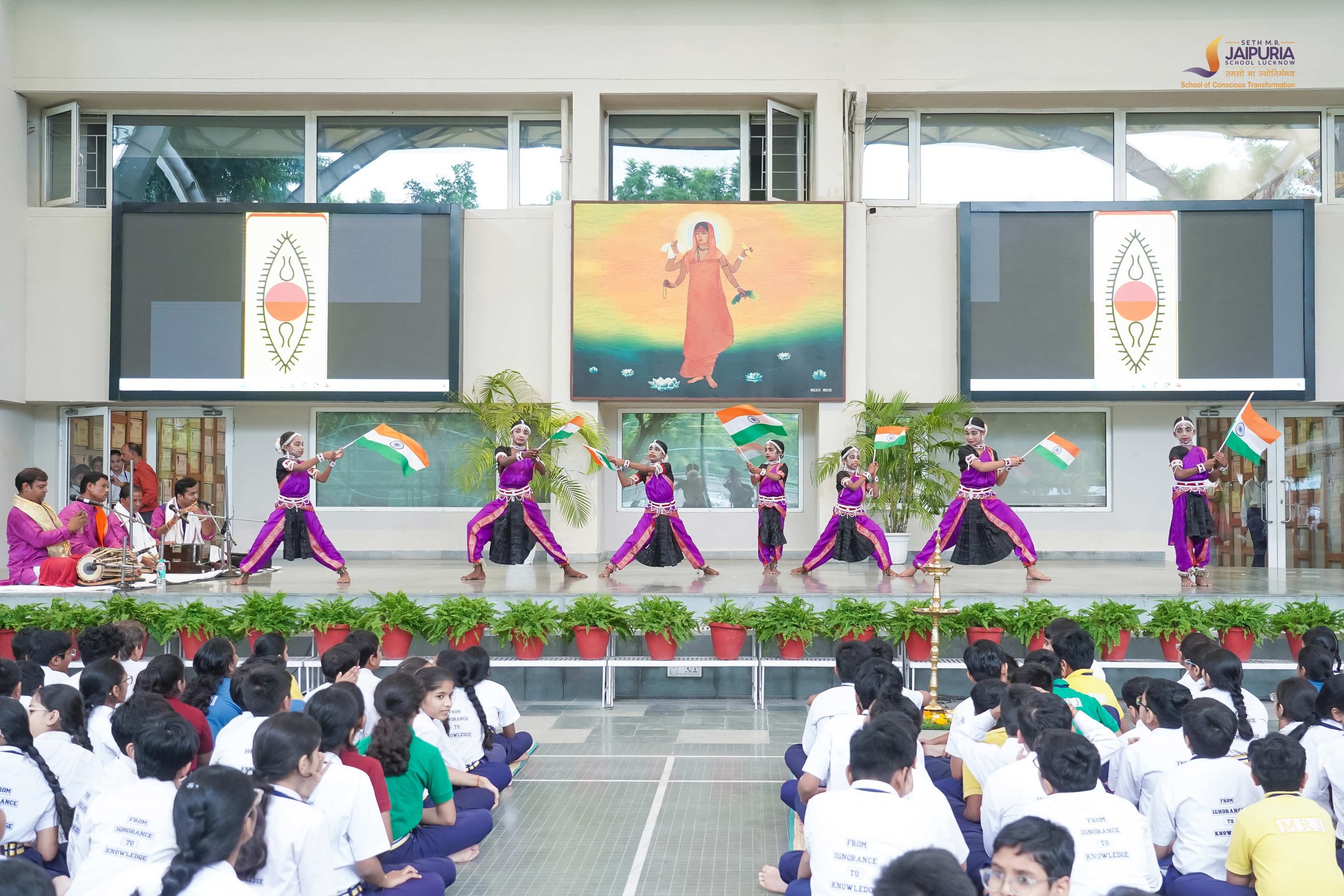
On the morning of 31 October 2026, Seth M. R. Jaipuria School hosted a Gotipua performance, a traditional Odisha dance form. The event was brought by the Society for the Promotion of Indian Classical Music and Culture amongst Youth (SPIC MACAY), an organisation deeply committed to preserving and promoting traditional Indian performing arts.
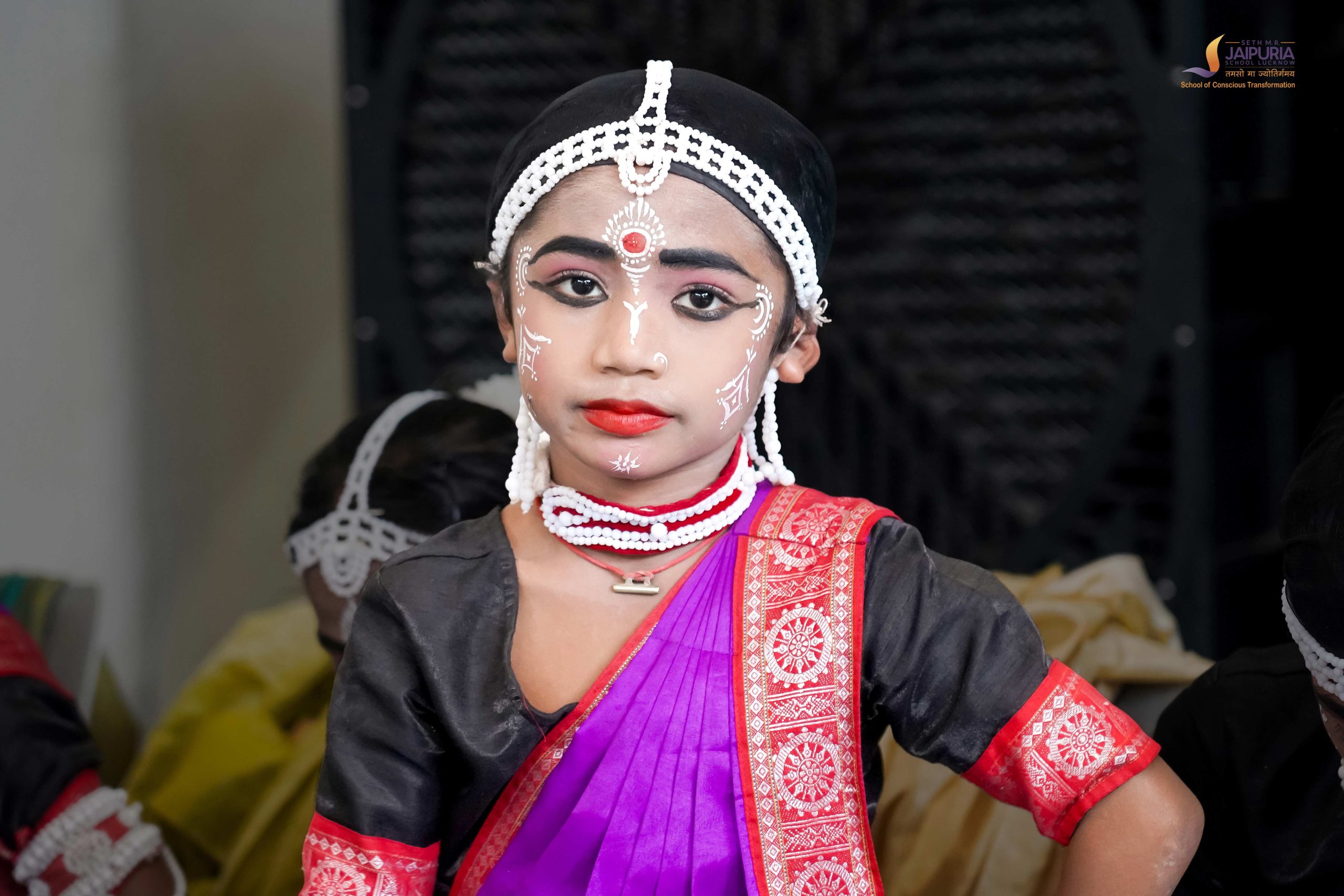
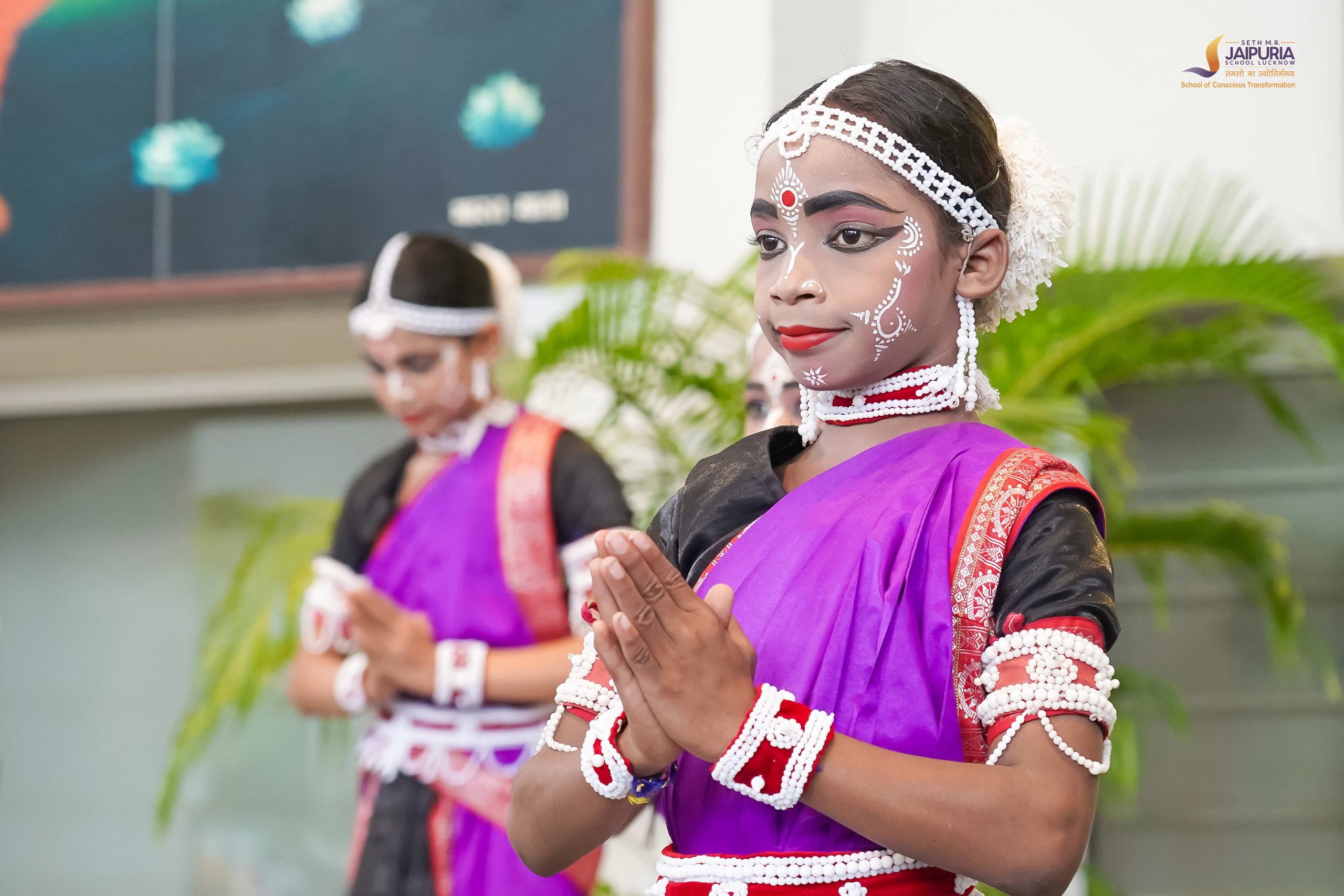
Meaning ‘single boy’, Gotipua features young boy dancers in female attire, embodying the devotion of the gopis, often depicting episodes from the lives of Radha and Krishna. Originating in the 17th-Century, the Gotipua flourished as an integral part of the temple culture of Lord Jagannath in Puri, Orissa.
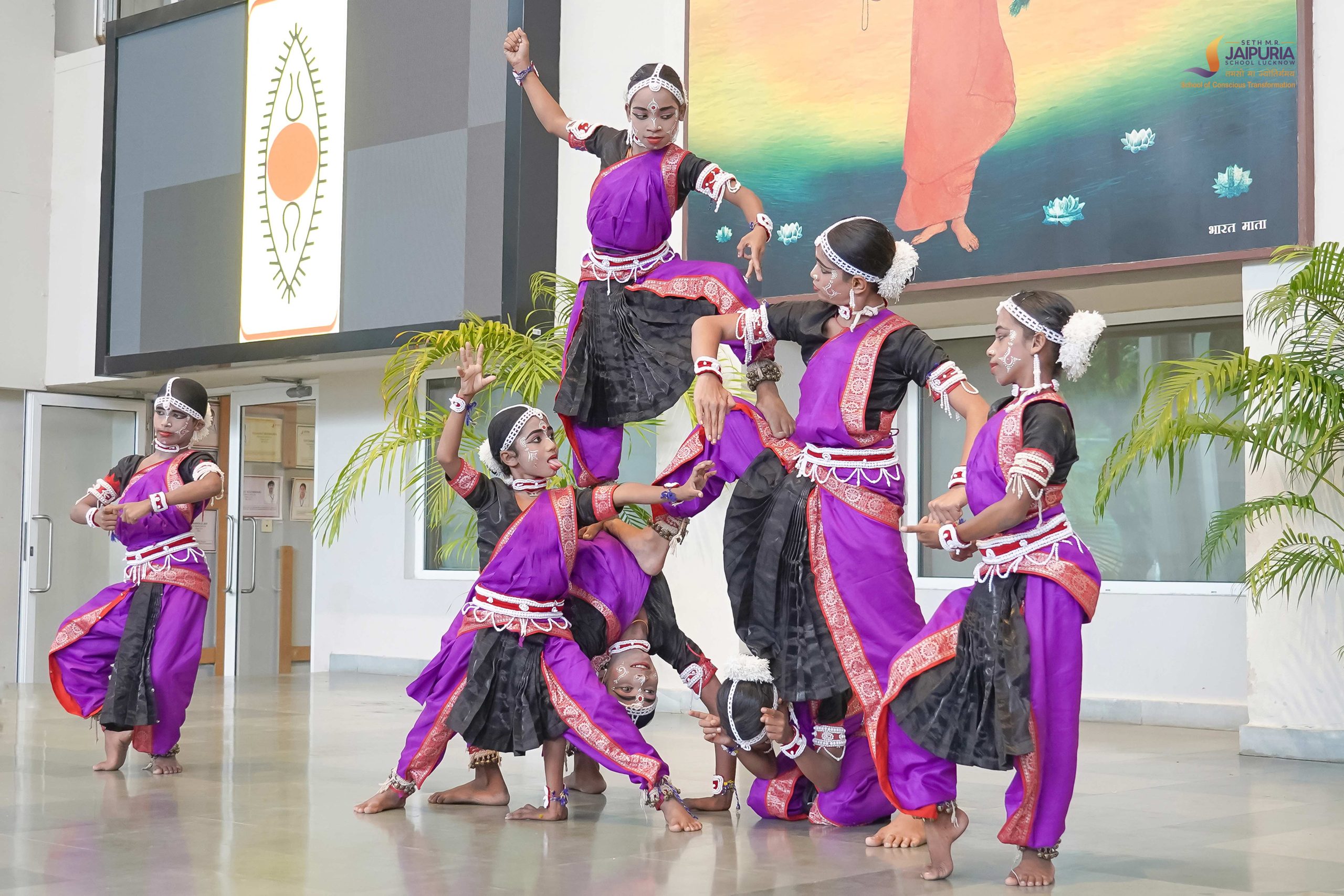
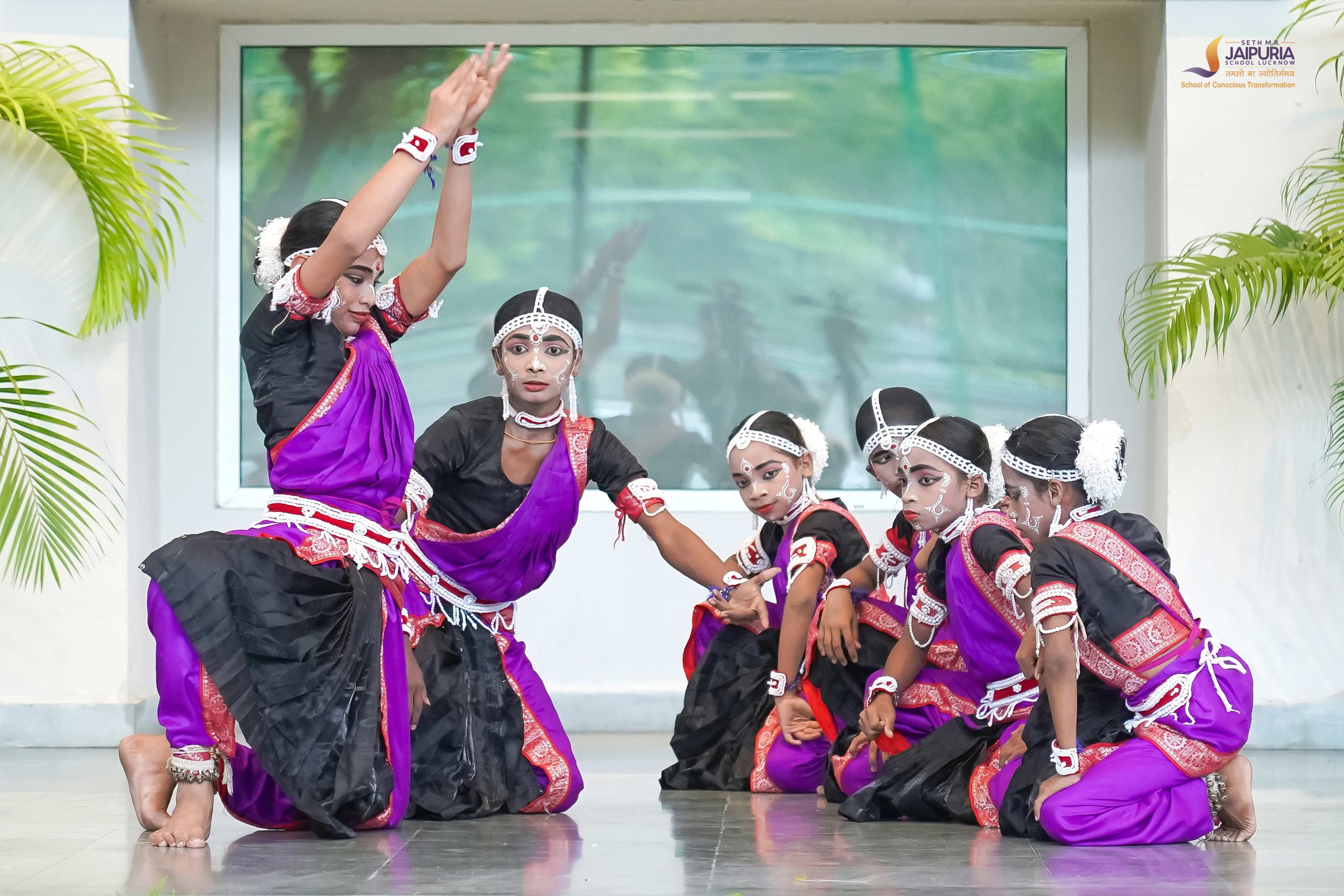
Over time, Gotipua evolved into a highly disciplined traditional dance form. The rich repertoire of Gotipua includes: a Bandana, a prayer to God or Guru; Sarigama, pure rhythmic dance; Abhinaya, the emotional and expressive component; and Bandha Nrutya, comprising yogic and acrobatic postures, often sequenced to represent Radha and Krishna. With its bold and daring movements, this last element of Bandha Nrutya particularly captured the imagination of our young audience at Seth M. R. Jaipuria School, who thoroughly appreciated these sequences with thunderous applause.
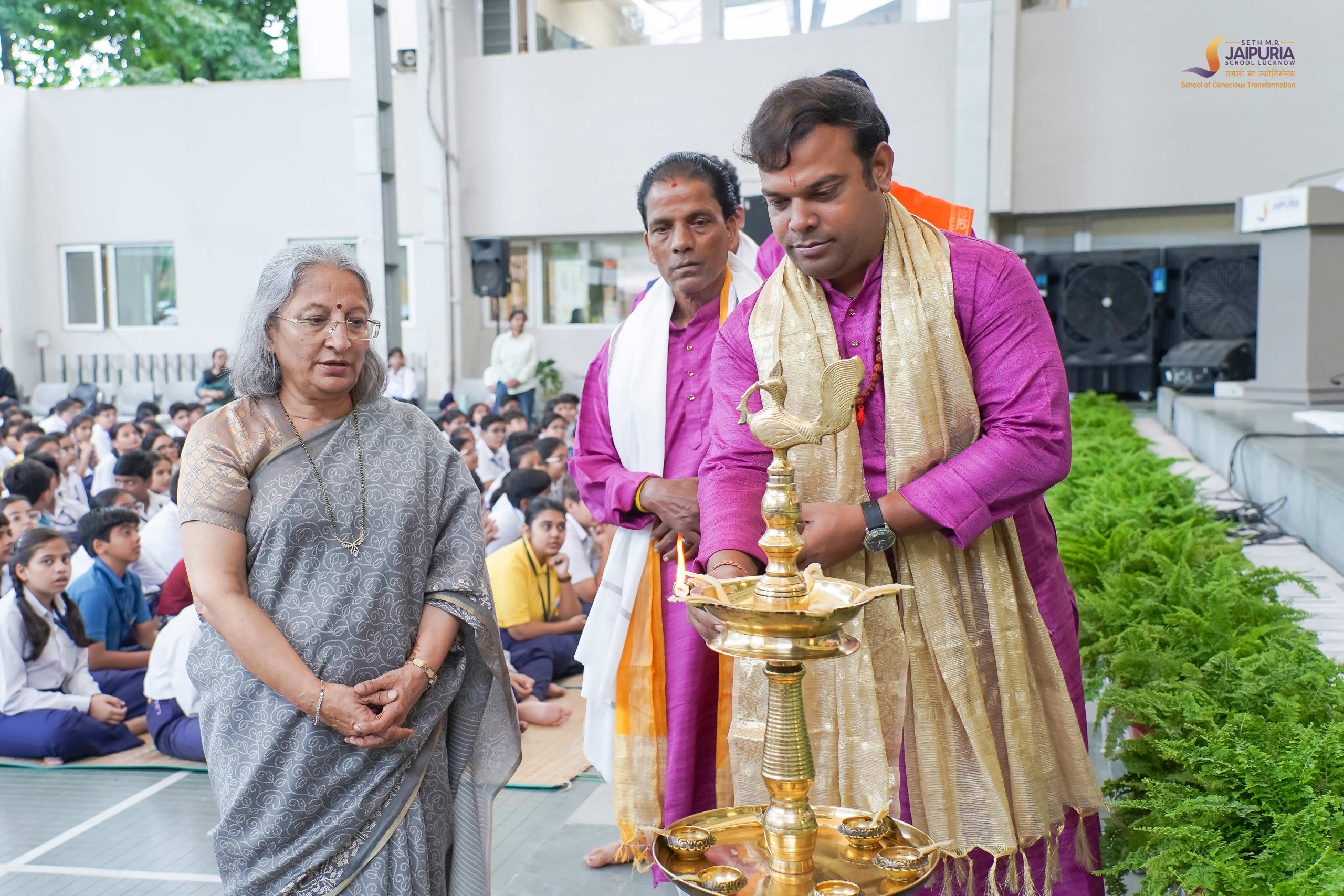
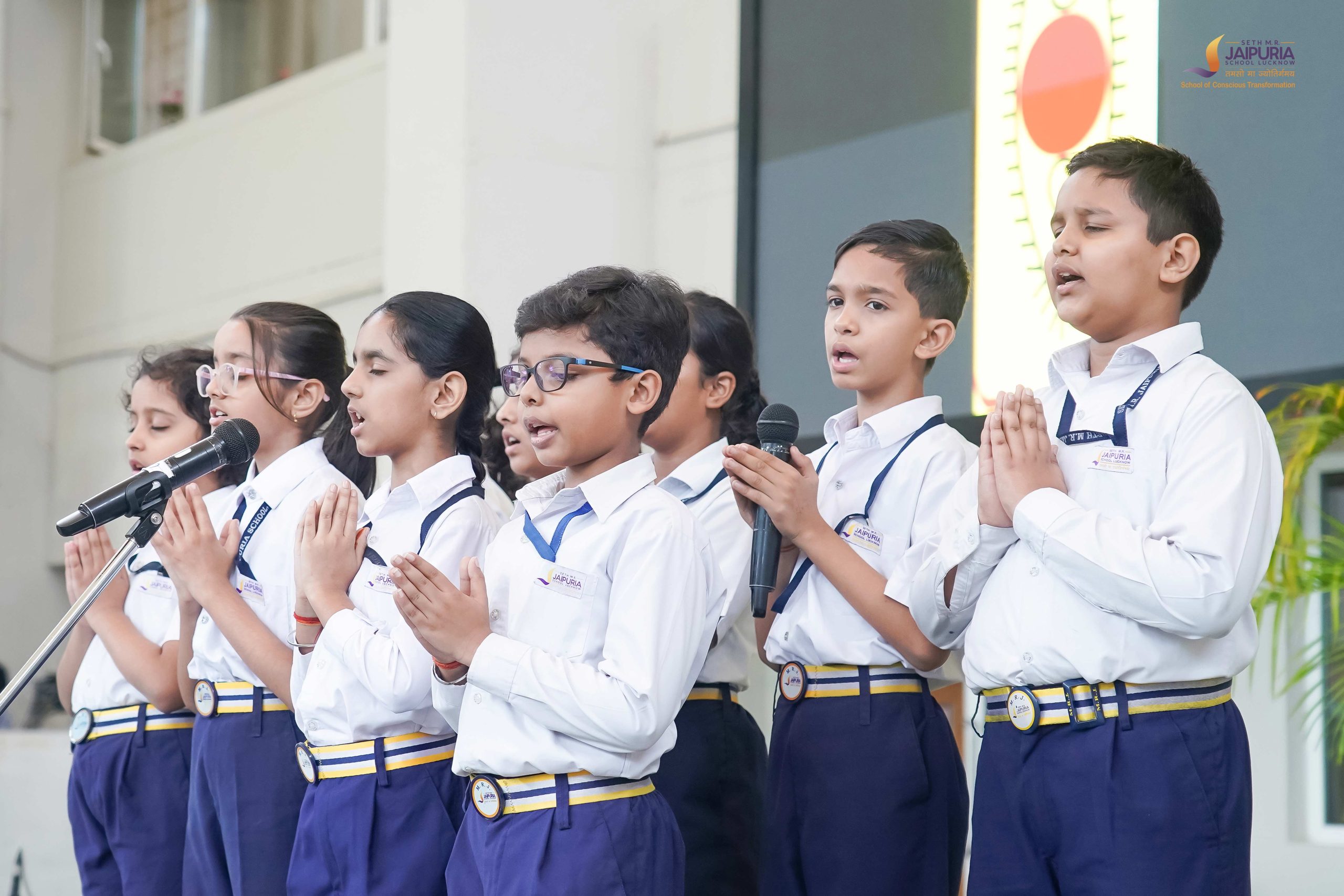
The day’s performance was presented by the troupe led by Shri Balakrishna Das of Dasabhuja Gotipua Odisha Nritya Parisad in Raghurajpur village, an institution that has worked tirelessly to preserve this rare heritage. The event began with the invocation of the Divine, followed by the ceremonial lighting of the lamp and the singing of the National Song. The troupe was warmly welcomed and felicitated by our Principal, Ms. Promini Chopra.
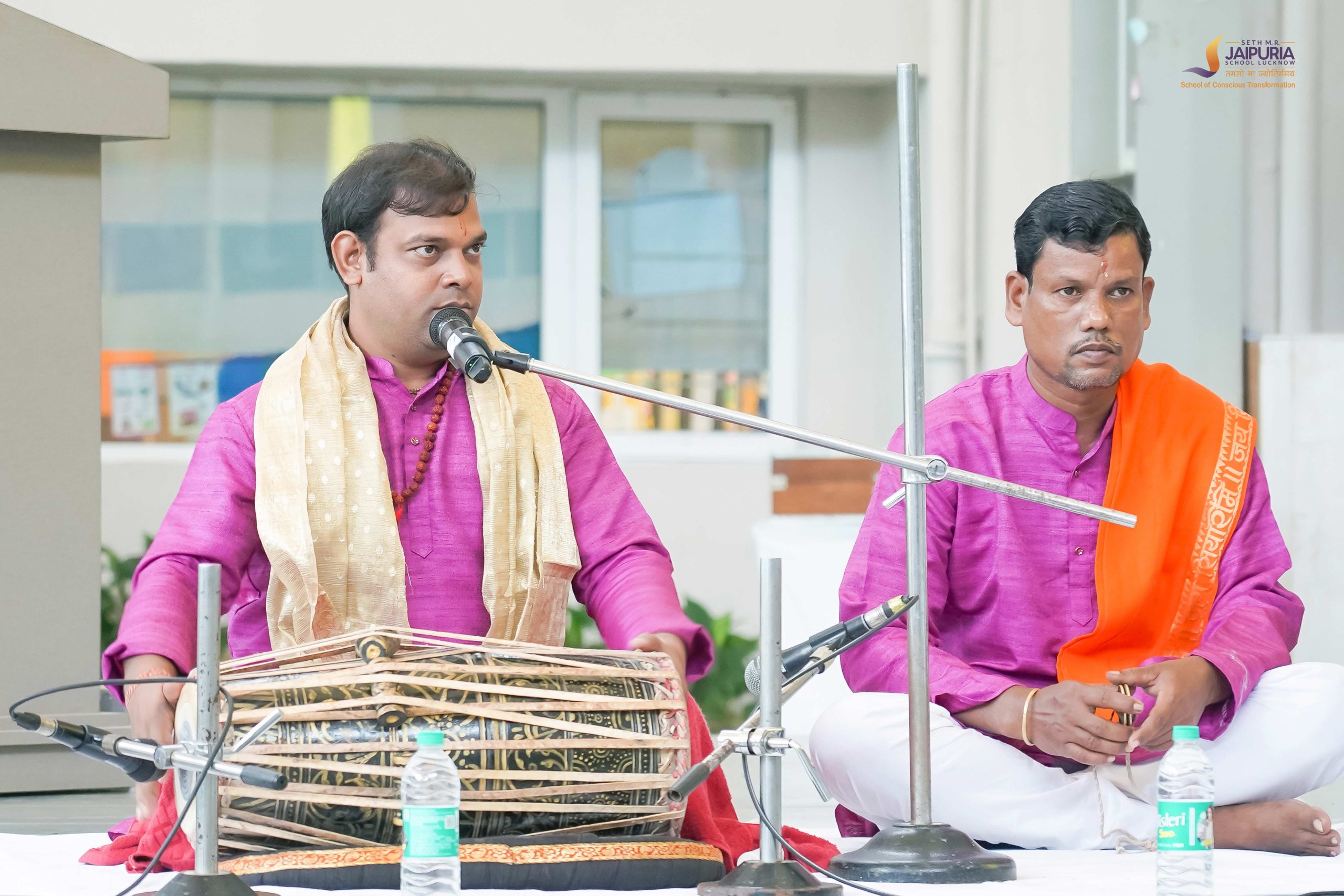
The key presentations included the depiction of Goddess Durga slaying Mahishasura and a celebration of Lord Jagannath of Puri, a deity who holds a special place in the Gotipua tradition. The musical accompaniment was provided by Shri Balakrishna Das (mardala), Shri Bhagaban Behera (vocalist), Shri Kabiraj Pradhan (flute), and Shri Nilakantha Nayak (manjira). The dance performance proved to be a scintillating visual spectacle, rhythmically tuned to the soulful classical music and vibrantly complemented by captivating acrobatic postures. The sight of young boys from their own age groups performing marvellous acrobatic feats drove the young audience into a complete frenzy as they spontaneously cheered and appreciated the performance.
The dance troupe comprised young boys dressed in elegant traditional female classical dance attire, and their movements were highly feminised. This distinctive feature of Gotipua offers an interesting perspective on gender representation in Indian classical dance. In a milieu where the art and cultural fields such as Bollywood have been predominantly male-dominated, the Indian classical dance landscape, at least in the modern world, appears to pose a special conundrum. In a reversal of the conventional gender dynamic, it could be said that several Indian classical dance traditions are largely dominated by women.
This predominance, rather than necessarily being a source of empowerment for women, may have unwittingly created new challenges for gender equality. In the contemporary world, when male dancers pursue Indian classical dance, their embodiment of feminised expressions and movements is sometimes perceived as undermining patriarchal notions of masculinity. Hence, while much of the rest of the world battles for women’s equality in a patriarchal order, in the Indian classical dance domain, it could be said that there is a reversal of this dynamic, with men fighting for inclusivity in a traditionally feminised landscape. Against this backdrop, the Gotipua dance form, with its centuries-old tradition of young boys embodying feminised dance practices, offers a unique historical perspective in the discourse of gender inclusivity in traditional Indian dance forms.